DogeOS Testnet Officially Opens, What Does It Do for Dogecoin?
2026-10-01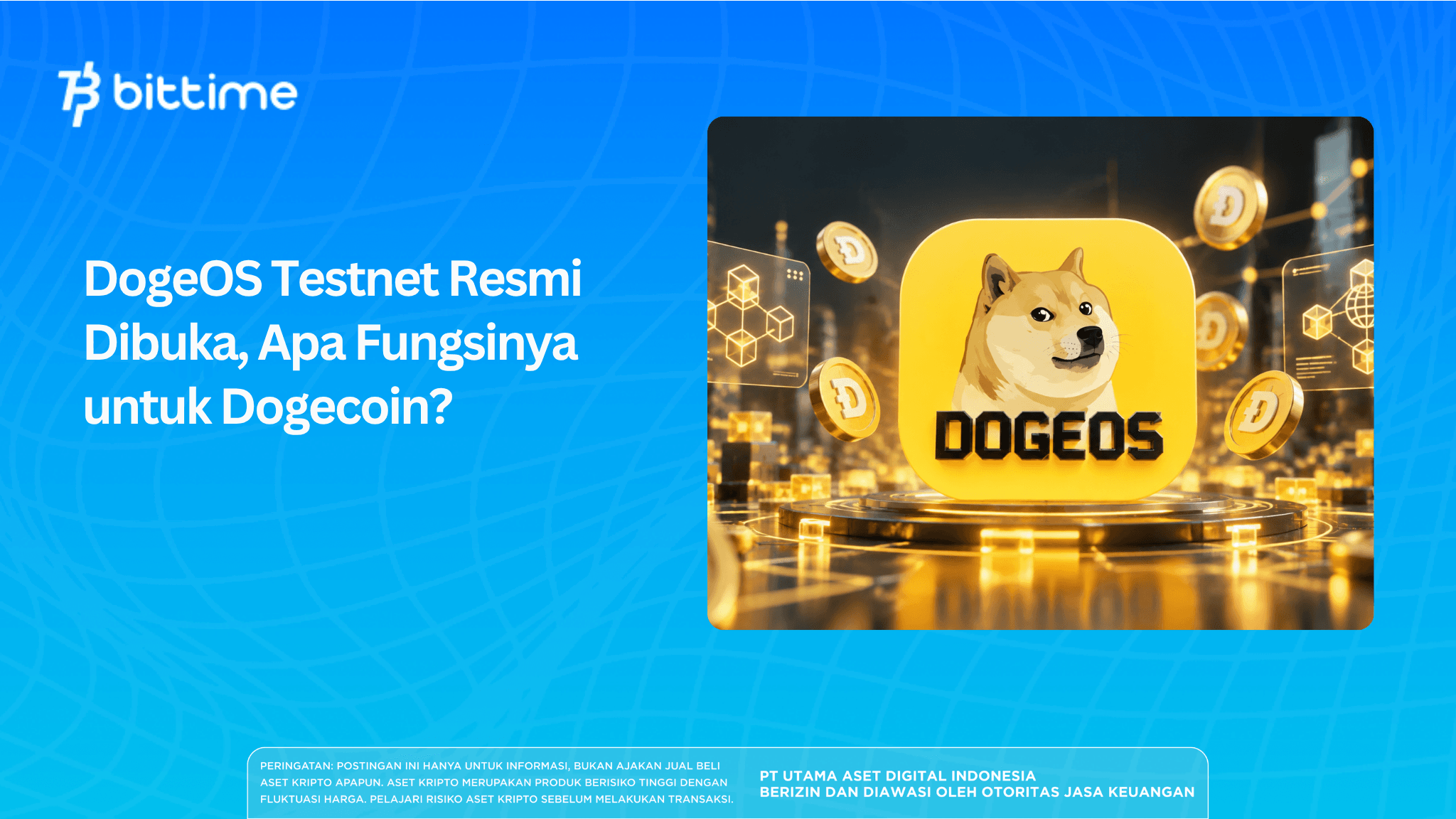
The DogeOS testnet officially opened on September 30, 2026, as an EVM-compatible environment for building applications within the Dogecoin ecosystem. The launch of this testnet allows developers to use smart contracts and tools commonly used on EVM networks, potentially expanding Dogecoin's functionality into DeFi, trading, stablecoins, gaming, and other applications.
The biggest question is not just what DogeOS is, but what changes when Dogecoin gains an application layer with smart contract capabilities. The DogeOS Chikyū Testnet now provides a faucet, bridge, wallet configuration, and block explorer for developers and users who want to explore the ecosystem before mainnet launch.
Key Takeaways
- The DogeOS testnet provides an EVM-compatible environment for building applications based on Dogecoin.
- Developers can use tools such as Hardhat, Foundry, and ethers.js to develop smart contracts.
- The testnet opens up opportunities for DeFi, trading, stablecoins, gaming, and various dApps, but it does not guarantee the ecosystem's success after mainnet launch.
What Is the DogeOS Testnet?
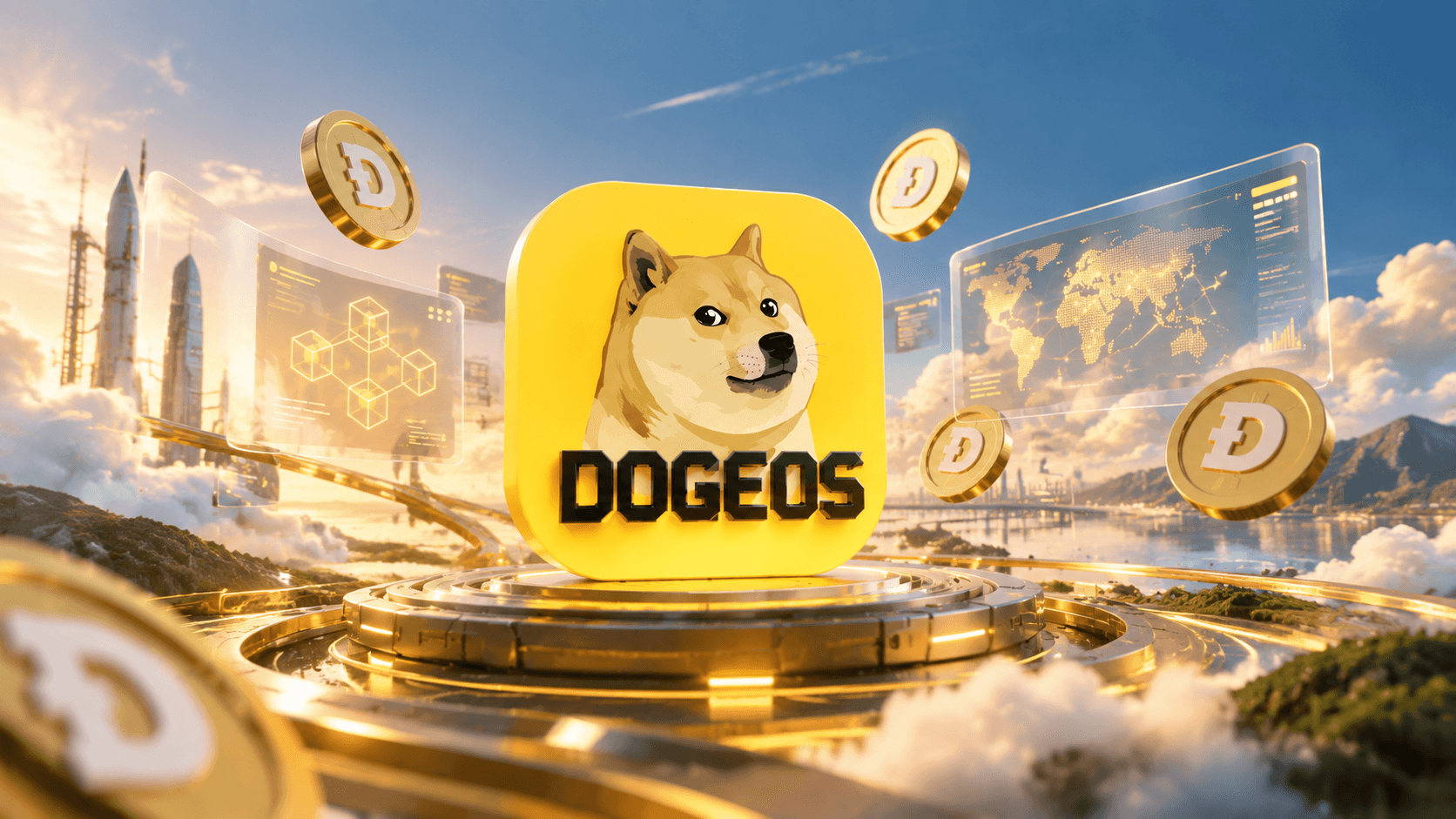
DogeOS is an application layer for Dogecoin designed to add application functionality and smart contract capabilities to the Dogecoin ecosystem. DogeOS does not replace the Dogecoin blockchain; instead, it extends the functionality of DOGE.
The public test network is called the DogeOS Chikyū Testnet. It provides an environment for testing applications and smart contracts before DogeOS moves to mainnet.
This is important because Dogecoin Layer 1 has historically been better known as a network for transfers and payments. DogeOS aims to introduce an application layer, allowing DOGE to be used in a wider range of blockchain applications.
Read also: Dogecoin Rises Again: Is Open Interest of US$1.66B a Bullish Signal?
What Is DogeOS Used for in the Dogecoin Ecosystem?
DogeOS's primary purpose is to provide more flexible application infrastructure for the Dogecoin ecosystem.
Its main functions include the following:
1. Executing Smart Contracts
DogeOS supports EVM bytecode compatibility. This means developers already familiar with the Ethereum ecosystem can use many of the same tools to build and test smart contracts on DogeOS.
DogeOS also provides deployment guides using Hardhat and Foundry. Its documentation states that developers can deploy smart contracts directly on the Chikyū Testnet.
2. Unlocking Dogecoin DeFi Potential
Smart contract capabilities open up the possibility of using DOGE in applications such as:
- Decentralized exchanges.
- Lending.
- Stablecoins.
- Perpetual exchanges.
- Liquidity applications.
- Financial applications.
DogeOS has identified several projects building applications in these areas, including trading, lending, stablecoins, and various consumer applications. However, the presence of projects on the testnet does not mean that all their products are already available or ready for use on mainnet.
3. Supporting dApps and Gaming
DogeOS is also intended to support non-financial applications. Projects identified within its ecosystem include gaming, prediction markets, launchpads, and consumer applications.
How Does Dogecoin EVM Work on DogeOS?
The term Dogecoin EVM needs to be understood correctly. Dogecoin Layer 1 does not suddenly become an EVM blockchain.
DogeOS provides an EVM-compatible application-layer network that uses DOGE as its native currency for paying transaction fees. Developers can then connect their applications to DogeOS RPC and use familiar Ethereum development tools.
The Chikyū Testnet configuration includes Chain ID 6281971, the DOGE symbol, a public DogeOS RPC endpoint, and a dedicated testnet block explorer.
This model provides a clear separation of functions. Dogecoin remains the foundation of the ecosystem, while DogeOS provides an application environment for smart contracts and dApps.
Read also: Dogecoin and X Money: Is This the Beginning of a New DOGE Bull Run?
5 Things You Can Build on DogeOS
1. DeFi
DogeOS can serve as an environment for decentralized finance applications such as DEXs, lending platforms, and stablecoins. Several ecosystem projects are already developing these concepts on the testnet.
2. Smart Contracts
Developers can create and deploy smart contracts using a workflow similar to Ethereum development. Ethereum. DogeOS provides tutorials for Hardhat and Foundry.
3. Gaming
Blockchain-based games can use smart contracts and digital assets to build ownership mechanisms, transactions, or reward systems.
4. Trading
DogeOS can also serve as a foundation for trading applications and derivatives markets. Several projects introduced within its ecosystem are developing liquidity engines and perpetual exchanges.
5. Consumer Apps
Beyond DeFi, DogeOS targets applications that are more accessible to everyday users, including social applications and consumer experiences.
What Is the Difference Between DogeOS and Dogecoin?
The simplest way to distinguish them is by their functions.
Dogecoin is a Layer 1 blockchain that serves as the foundation of the network and the DOGE asset. DogeOS is an application layer designed to provide the ecosystem with broader smart contract capabilities and application functionality.
For this reason, the terms Dogecoin testnet and DogeOS testnet do not always refer to the same network. DogeOS documentation explains that the Chikyū Testnet consists of Dogecoin Testnet and DogeOS Testnet, which are used together in the testing process.
This distinction is important so users do not mistakenly assume that DogeOS is a new blockchain replacing Dogecoin.
Read also: How to Get Free Dogecoin: Which Method Would You Like to Try?
How Can You Try the DogeOS Testnet?
Users and developers can follow a few basic steps to explore the Chikyū Testnet.
- Configure your wallet to connect to the DogeOS Chikyū Testnet.
- Obtain testnet DOGE through the faucet.
- If necessary, use the bridge to transfer testnet DOGE from Dogecoin Testnet to DogeOS.
- Try transactions and the available applications.
- Developers can deploy smart contracts using EVM-compatible tools.
The DogeOS faucet currently limits testnet token claims to once every 24 hours to reduce bots and abuse.
For developers, the Chikyū Testnet configuration uses the RPC endpoint https://rpc.testnet.dogeos.com/ and Chain ID 6281971.
What Are the Benefits of DogeOS for the Dogecoin Ecosystem?
DogeOS's greatest potential lies in expanding utility.
If developers can build applications using tools they already know, the barriers to entering the Dogecoin ecosystem could be lower. DogeOS states that its network can handle approximately 300 transactions per second and produce blocks roughly every three seconds, compared with the claimed figures of approximately 30 transactions per second and one-minute block intervals on Dogecoin Layer 1.
However, testnet performance figures do not automatically prove that the ecosystem will attract significant usage. Factors such as the number of developers, active users, liquidity, smart contract security, dApp quality, and successful mainnet deployment will continue to determine its development.
Read also: 11 Free Dogecoin Websites: Easy Ways to Earn $DOGE Tokens!
What Are the Risks of the DogeOS Testnet?
The testnet is still under development. Therefore, users should not assume that activity on the testnet proves all features will work in the same way after mainnet launch.
Several factors should be considered:
- Smart contracts may contain bugs.
- Blockchain transactions may fail.
- Assets on the network may be exposed to technical risks.
- Testnet infrastructure may change.
- Third-party applications carry their own risks.
- Testnet activity does not guarantee mainnet success.
DogeOS documentation and terms also warn about blockchain-related risks, including irreversible transactions, smart contract vulnerabilities, malicious actors, and protocol bugs.
What Is the Impact of DogeOS on Dogecoin's Future?
DogeOS could expand Dogecoin's role from an asset primarily used for transfers into a participant in a broader blockchain application ecosystem.
If developers build products that people actually use, demand for infrastructure, liquidity, and DOGE-based transactions could also increase. However, this remains a potential outcome rather than a proven result.
The factors to monitor as the testnet develops include:
- The number of active developers.
- The number of dApps that are actually being used.
- Transaction growth.
- DeFi liquidity.
- Smart contract security.
- User activity.
- Mainnet launch schedule and readiness.
If you want to follow the latest updates on Dogecoin, blockchain technology, and developments in the crypto ecosystem, you can sign up for Bittime to receive market information, the latest news, and regular analysis.
Conclusion
The DogeOS testnet introduces new functionality to the Dogecoin ecosystem by providing an EVM-compatible application layer. Developers can use smart contracts and tools such as Hardhat, Foundry, and ethers.js to build applications on the Chikyū Testnet.
The potential for DeFi, trading, stablecoins, gaming, and consumer apps makes DogeOS a development worth monitoring. However, the testnet has not yet demonstrated the ecosystem's long-term success. Developer activity, user adoption, dApps, liquidity, security, and mainnet readiness remain important indicators to watch.
Bittime is a licensed and supervised Digital Financial Asset Trader (PAKD) by Indonesia's Financial Services Authority (OJK) — a platform where you can buy Bitcoin in Indonesia and hundreds of other crypto assets starting from IDR 10,000. Registration is quick and secure, and you can get started today.
Track the USDT-to-IDR conversion rate and the real-time price movements of your favorite crypto assets. Everything is available in one crypto investment app that you can download for free from the Play Store.
Ready to get started? Sign up for Bittime now and execute your investment strategy on a platform trusted by millions of users in Indonesia.
FAQ
What Is DogeOS?
DogeOS is an application layer built to expand Dogecoin's functionality by introducing smart contract capabilities and EVM-based applications. Developers can use tools commonly found in the Ethereum ecosystem.
What Is the DogeOS Testnet?
The DogeOS testnet is a testing environment called the DogeOS Chikyū Testnet, used to test applications and smart contracts before mainnet launch. Users can obtain testnet DOGE through a faucet and use a bridge to explore the ecosystem.
Can Dogecoin Run Smart Contracts?
Dogecoin Layer 1 does not become EVM-compatible simply because DogeOS launches. DogeOS provides an EVM-compatible application layer that enables smart contracts and applications to be built using its infrastructure.
What Can You Build on DogeOS?
DogeOS can be used to build various applications, including DeFi, trading, stablecoins, gaming, launchpads, and consumer apps. Several projects have been introduced within the testnet ecosystem, but product availability depends on each project's development stage.
How Can You Try the DogeOS Testnet?
You can add the Chikyū Testnet to your wallet, obtain testnet DOGE through a faucet, and then try transactions or available applications. Developers can also use Hardhat or Foundry to deploy smart contracts.
Disclaimer: The views expressed belong exclusively to the author and do not reflect the views of this platform. This platform and its affiliates disclaim any responsibility for the accuracy or suitability of the information provided. It is for informational purposes only and not intended as financial or investment advice.

.png)