Bank Indonesia's Digital Rupiah: The Garuda Project and a New Direction for the National Payment System
2025-10-13
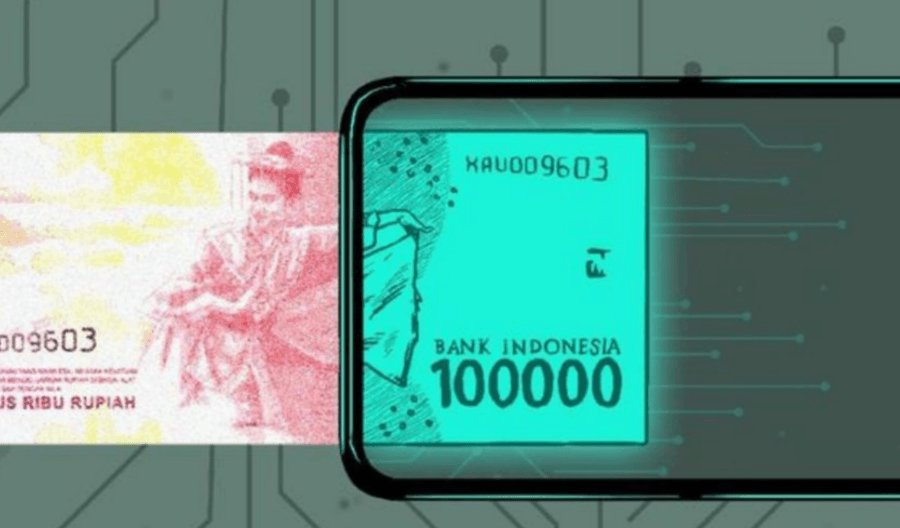
Bittime - Bank Indonesia (BI) is preparing a new chapter in the national monetary system through the launchdigital rupiah, the digital form of Indonesia's official currency.
This step is part of Garuda Project, a strategic initiative to develop a Central Bank Digital Currency (CBDC) that can strengthen national financial efficiency, security, and inclusion.

What is Digital Rupiah?
Digital Rupiah is a digital form of the Rupiah issued and controlled directly by Bank Indonesia. Unlike electronic money issued by private institutions, digital Rupiah has the status of a banknote.legal tenderand its value is equivalent to paper money.
Bank Indonesia designed two types of digital rupiah:
- Wholesale Digital Rupiah (w-Rupiah) for transactions between financial institutions, such as money and monetary markets.
- Retail Digital Rupiah (r-Rupiah)for general public transactions in daily activities.
Digital Rupiah is not intended to replace cash or electronic money, but rather to complement a more integrated digital payment system.
Garuda Project and Development Status
The Garuda Project is an umbrella for developing a digital rupiah, encompassing research, trials, and system testing. The project's first white paper was published on November 30, 2022, as the official roadmap for CBDC implementation in Indonesia.
According to Bank Indonesia reports and several international publications such as Central Banking And Digital Pound Foundation, BI has completed Proof of Concept (PoC)for the wholesale digital rupiah version.
This trial includes testing cash ledger and advanced levels securities ledger for securities transactions.
In the development process, BI also evaluated several blockchain technologies anddistributed ledger such as R3 Corda and Hyperledger Besu as core infrastructure candidates.
Although the PoC phase has been completed, BI is still reviewing the system design, data security, and operational model before entering the retail trial phase.
Benefits and Potential of Digital Rupiah
The digital rupiah is expected to bring a number of major benefits to the economy, including:
- Transaction efficiencythrough faster and cheaper transfer and settlement fees.
- Increasing financial inclusion, especially for people who do not have banking access.
- More precise monetary policy, because BI can monitor money circulation in real time.
- Interoperability across payment systems, both domestically and internationally.
With integration into e-commerce, public services, and micropayments, the digital rupiah has the potential to strengthen Indonesia's digital economy ecosystem.
Implementation Challenges
Despite the great potential, there are a number of challenges that need to be anticipated. First, the aspectdata privacy and securityis a top priority to ensure user identity remains protected.
Second, the leveldigital literacyUnequal distribution in society can hinder early adoption.
In addition, readiness infrastructure technology is a key factor. The digital rupiah system must be able to handle millions of transactions per second without interruption.
Regulations and coordination between financial institutions also need to be clarified so that the system can run in line with existing policies.
Directions Forward
Bank Indonesia emphasized that the digital rupiah implementation will be carried out in stages. Once the wholesale phase is complete, the focus will shift to the retail version for the general public.
According to reportsCNBC IndonesiaBI has completed its review of the digital rupiah concept and is preparing to proceed to the pilot project trial phase before the official launch.
The digital rupiah is also designed to potentially be used in cross-border transactions through collaboration with other central banks in the Asian region.
Conclusion
The digital rupiah represents a significant step by Bank Indonesia toward a modern and efficient payment system. Through the Garuda Project, BI demonstrates its commitment to developing a secure, inclusive, and scalable CBDC.
While still facing technical and regulatory challenges, the success of the digital rupiah trial phase could provide a strong foundation for Indonesia entering the era of a sovereign and globally competitive digital economy.
FAQ
Is digital rupiah the same as crypto like Bitcoin?
No. Digital rupiah is issued and controlled by Bank Indonesia, while crypto is decentralized with no single authority.
When will digital rupiah be used by the public?
There's no specific schedule yet. BI has just completed the PoC phase and is currently preparing a pilot project for the next phase.
Will digital rupiah replace cash?
No. BI said cash, electronic money, and digital rupiah will coexist.
Are digital rupiah transactions free?
Transaction fees will be designed to be as low as possible to support the efficiency of the national payment system.
How to Buy Crypto on Bittime
Want to trade sell buy Bitcoins and crypto investment easily? Bittime is here to help! As an Indonesian crypto exchange officially registered with Bappebti, Bittime ensures every transaction is safe and fast.
Start with registration and identity verification, then make a minimum deposit of IDR 10,000. After that, you can immediately buy your favorite digital assets!
Check the exchange rate BTC to IDR, ETH to IDR, SOL to IDR and other crypto assets to find out today's crypto market trends in real-time on Bittime.
Also, visit the Bittime Blog for interesting updates and educational information about the crypto world. Find reliable articles about Web3, blockchain technology, and digital asset investment tips designed to enrich your crypto knowledge.
Disclaimer: The views expressed belong exclusively to the author and do not reflect the views of this platform. This platform and its affiliates disclaim any responsibility for the accuracy or suitability of the information provided. It is for informational purposes only and not intended as financial or investment advice.

.png)