How to Mine Litecoin (LTC) in 2026 - A Simple Guide
2026-03-24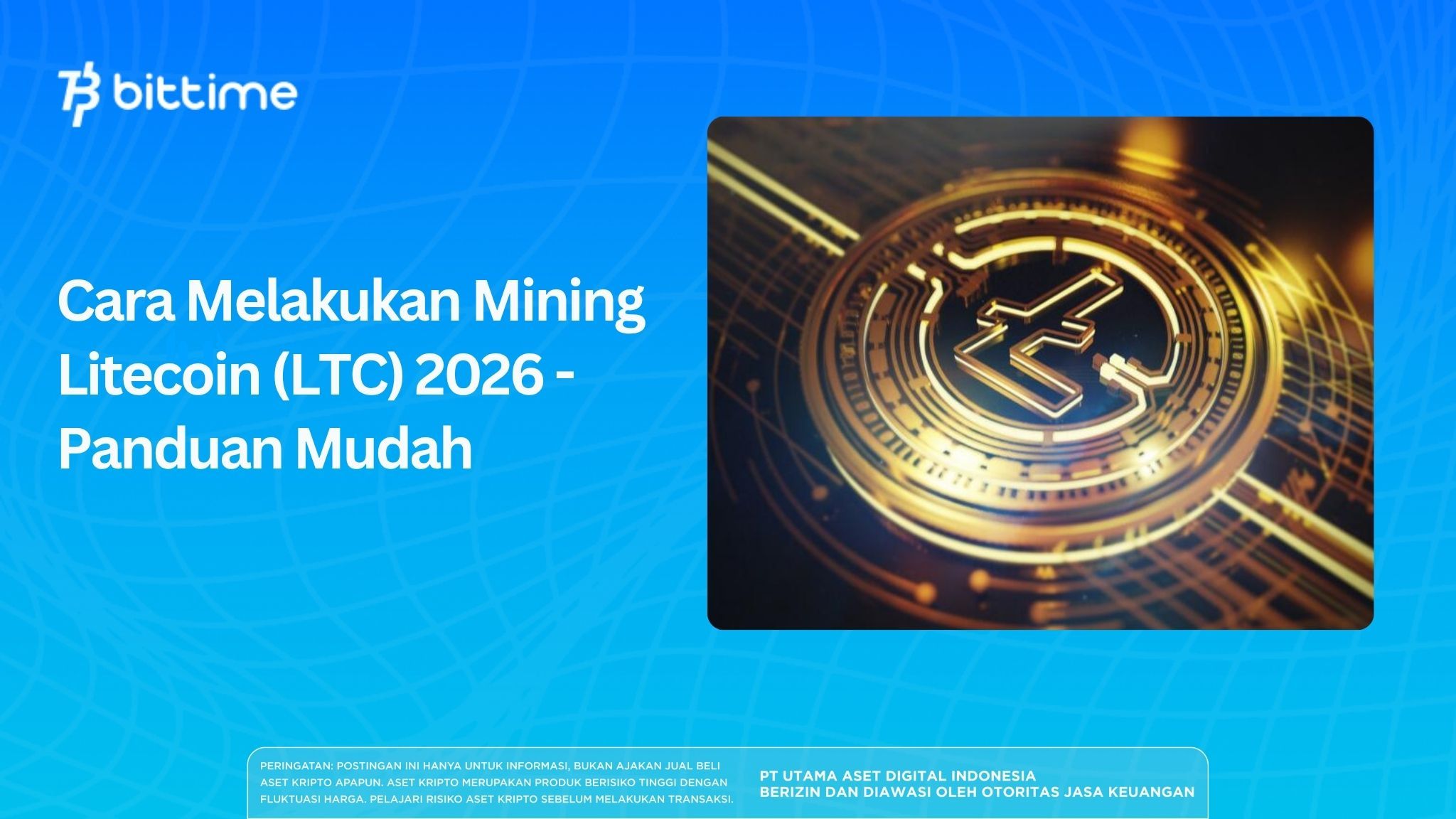
Litecoin is still one of the crypto assets that beginners often look at when they start learning about mining. The problem is that many people think mining Litecoin (LTC) only requires a regular laptop and will immediately generate profits.
In 2026, that assumption is no longer relevant. Mining is becoming more competitive, electricity costs matter more, and the choice between solo mining, pool mining, and LTC cloud mining needs to be understood from the start.
This 2026 LTC mining guide helps you get started in a more realistic way. You will understand the tools you need, the basic setup steps, the risks of LTC cloud mining in 2026, and how to evaluate whether mining is still worth doing.
So, you are not just following the trend, but truly understanding the process from start to finish until you are ready to receive LTC rewards.
Key Takeaways
- Litecoin mining in 2026 is generally more suitable with a Scrypt ASIC, not a regular laptop or PC.
- Joining a mining pool usually gives more stable results than solo mining for beginners.
- LTC cloud mining may look practical, but you still need to check its transparency, costs, and risks.
What Is Litecoin Mining?
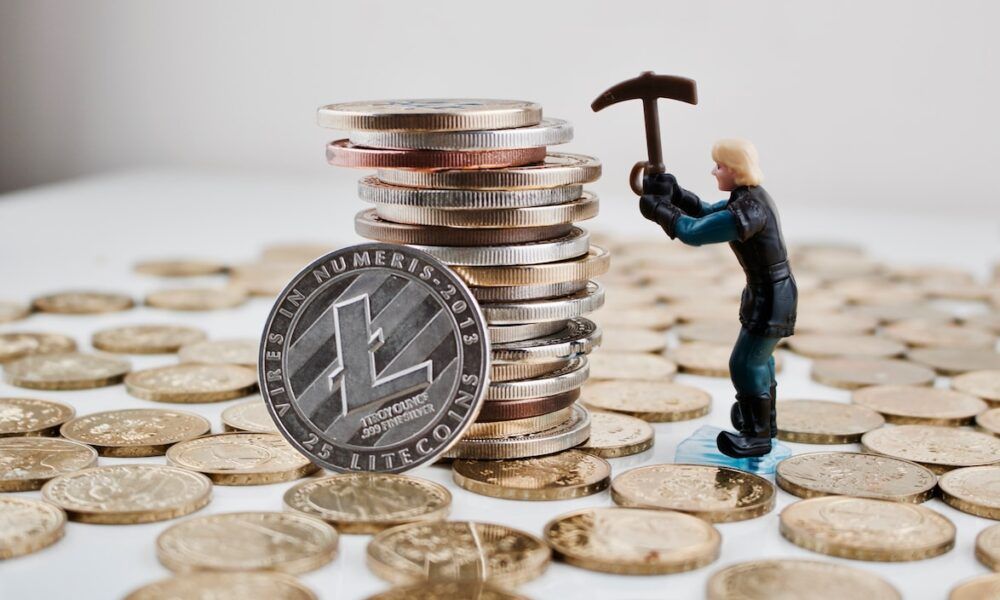
Litecoin mining is the process of validating transactions and keeping the Litecoin network running through a proof-of-work system. Litecoin uses the Scrypt algorithm, so the hardware used for mining must also support that algorithm.
This is why Litecoin remains attractive to many miners who want to try a proof-of-work crypto asset besides Bitcoin. In practice, Litecoin mining today is far more competitive than it was in its early days.
Many people search for how to mine Litecoin, even though the correct term is Litecoin mining. In 2026, serious mining generally uses Scrypt ASIC devices and connects to a mining pool so the chances of getting rewards are more stable.
Read Also: Join the Bittime Futures Public Beta Waitlist and Get Trial Funds Rewards up to 1500 USDT
Tools and Preparation Before You Start
Litecoin Wallet
Before mining, you need a Litecoin wallet to receive your mining rewards. This wallet can be an official app, a software wallet, or a hardware wallet. The important thing is that you have a correct and secure payout address before connecting your miner to a pool.
Mining Machine and Cooling
For more competitive results, you will usually need an ASIC miner that supports the Scrypt algorithm. Older CPUs and GPUs can still be used for learning, but they are generally not efficient for pursuing profit under current network conditions. Besides the machine, you also need stable electricity, good ventilation, and a space that is ready for the heat and noise generated by the equipment.
Pool and Software
Most beginners start through a mining pool because rewards are more regular than solo mining. You also need software or a machine interface to enter the pool address, wallet, and worker identity. Some setups use specific mining software, while modern ASIC devices usually already come with a built-in dashboard.
To keep things organized, prepare this list before you begin:
- An active Litecoin wallet
- A suitable Scrypt ASIC
- A stable internet connection
- Adequate power supply and ventilation
- A mining pool account
- A wallet address for payouts
- A record of daily or monthly electricity costs
Read Also: 7 Effective Ways to Trade Crypto for Beginners, Complete with Tips and Tricks
Steps to Mine Litecoin in 2026
Choose a Wallet and Prepare the Machine
Start by creating an LTC wallet, then power on your ASIC miner. Make sure the device firmware and internet connection are working normally. This step is important because an incorrect wallet address can send rewards to the wrong destination.
Join a Mining Pool
Once your wallet is ready, sign up for a mining pool that supports Litecoin. For beginners, a pool is more suitable because rewards are distributed regularly based on hashrate contribution. The results are shared with other members, but the income pattern is usually more stable than solo mining.
Enter the Pool Configuration
On the miner dashboard or mining software, enter the pool server address, worker name, worker password if required, and the payout wallet address. Many beginners fail at this stage because they enter the wrong server or worker format. Once the data is correct, the machine will start hashing and sending shares to the pool.
Monitor Hashrate, Temperature, and Costs
Do not stop after the machine turns on. Monitor hashrate, temperature, uptime, pool fees, and daily electricity consumption. Mining profits are heavily influenced by device efficiency, electricity prices, LTC prices, and the level of network competition.
That is why a good Litecoin mining guide always includes cost evaluation, not just how to turn on the machine.
Read Also: Crypto Trading Strategies for Beginners, Do Not Do This!
LTC Cloud Mining 2026: Easy, But You Must Stay Cautious
LTC cloud mining is a model where you rent computing power from a service provider without having to buy your own machine. This model looks simple because you do not need to maintain hardware, manage heat, or prepare a dedicated space.
For some beginners, this does feel like the easiest entry point into the mining world.
However, that convenience comes with risk. Many cloud mining services are difficult to assess transparently. You need to check proof of hashrate, fee structure, withdrawal limits, and contract duration.
Because of that, do not easily trust promises of fixed profits or free mining that sound too good to be true.
Before using an LTC cloud mining platform in 2026, check these four things:
- Are there any hidden fees or maintenance charges
- Does the platform show proof of operations and hashrate
- Are the withdrawal terms reasonable
- Do they promise fixed profits without risk
Is Litecoin Mining Still Attractive in 2026?
The answer depends on your situation. Litecoin mining is still relevant for users who have access to cheaper electricity, use efficient ASICs, and are ready to manage the machine regularly.
The most decisive factors remain the same, namely hardware efficiency, electricity prices, LTC price, pool fees, and network difficulty.
For many people, buying LTC directly on an exchange can be simpler than mining it themselves. Mining is suitable if you really want to be involved in network operations and are ready for the upfront costs and equipment maintenance.
If your goal is simply to gain exposure to Litecoin without technical hassle, buying LTC may be a more practical option.
In practical terms, mining makes more sense when:
- You have manageable electricity costs
- You use an efficient Scrypt ASIC
- You understand volatility risk
- You are ready to monitor the machine and payouts
Mining is usually less suitable when:
- Electricity is expensive where you live
- You want passive results without maintenance
- You are not ready to deal with equipment heat, noise, and downtime
- You are more comfortable buying the asset directly
Conclusion
How to mine Litecoin in 2026 is no longer as simple as turning on a laptop and waiting for results. You need a wallet, a Scrypt ASIC, a mining pool, a stable connection, and disciplined cost calculations.
LTC cloud mining may look practical, but it still needs to be examined very carefully. If you want to learn mining realistically, start with a simple setup and calculate costs from day one.
If you want to trade LTC directly without the hassle of managing machines, take a look at Bittime Exchange. If you want updates on crypto trends, strategies, and the latest market news, also visit Bittime Blog.
FAQ
Can Litecoin still be mined in 2026?
Yes, Litecoin can still be mined, but competition is much tighter than it was in the early days.
Can a laptop be used to mine Litecoin?
It can be used to learn the basics, but in practice in 2026, a laptop or regular PC is generally not efficient for competitive Litecoin mining.
Which is better, solo mining or pool mining?
For beginners, pool mining usually makes more sense because the results are more stable even though the rewards are shared with other members.
What is LTC cloud mining?
LTC cloud mining is a model of renting computing power from another party to mine LTC without buying your own machine.
Is it better to mine LTC or buy LTC directly?
That depends on your goals, electricity costs, and your readiness to manage the machine. If you want a practical option, buying LTC directly is usually simpler.
How to Buy Crypto on Bittime?

Want to trade and buy Bitcoin and invest in crypto easily? Bittime is ready to help. As an Indonesian crypto exchange officially registered with Bappebti, Bittime ensures every transaction is safe and fast.
Start by registering and verifying your identity, then make a minimum deposit of Rp10,000. After that, you can immediately buy your favorite digital assets.
Check the rates for BTC to IDR, ETH to IDR, SOL to IDR and other crypto assets to monitor today's crypto market trends in real time on Bittime.
In addition, visit Bittime Blog to get various interesting updates and educational information about the crypto world. Find trusted articles about Web3, blockchain technology, and digital asset investment tips designed to deepen your knowledge of the crypto space.
Disclaimer: The views expressed belong exclusively to the author and do not reflect the views of this platform. This platform and its affiliates disclaim any responsibility for the accuracy or suitability of the information provided. It is for informational purposes only and not intended as financial or investment advice.

.png)