How to Avoid Margin Calls in Futures Trading: 5 Risk Management Tips
2026-07-28
Margin call is one of the biggest risks in futures trading, especially when the market moves with high volatility.
Many beginner traders focus too much on chasing profits from high leverage without considering the limits of their capital resilience.
In reality, understanding how margin works and applying risk management from the start is far more important than simply looking for large profit opportunities.
Key Takeaways
- A margin call is a warning that the collateral funds are approaching the minimum threshold (maintenance margin).
- Using high leverage can increase potential profits while also raising the risk of margin calls and liquidation.
- Discipline in managing position size, stop loss, and capital management is the most effective way to reduce risk.
What Is a Margin Call in Futures Trading and Why Does It Happen?
A margin call is a notification from the trading platform that the collateral funds (margin) on a futures position have dropped close to the minimum threshold (maintenance margin). This warning gives the trader an opportunity to take action before the position is automatically closed by the system.
Many people assume that a margin call is the same as liquidation, but the two are different. A margin call is a warning stage, while liquidation is the forced closure of a position when the trader no longer has sufficient margin to maintain the trade. This explanation is also outlined by Bittime.
A margin call usually appears when the price moves against the opened position. Accumulating losses will reduce the margin value until it reaches the threshold set by the platform.
Come register at Bittime with a fast, secure, and easy process so you can trade futures!
How do margin and leverage work?
Futures trading allows traders to open positions with a value greater than the capital they own through the leverage facility.
For example, a trader has capital of Rp2 million and uses 10x leverage. With that leverage, they can open a position worth approximately Rp20 million. The Rp2 million acts as the initial margin, which is the initial collateral to open the position.
While the trade is ongoing, the platform continuously calculates the margin value based on unrealized profit or loss (unrealized profit/loss).
If losses cause the margin to drop to the maintenance margin, the system will issue a margin call.
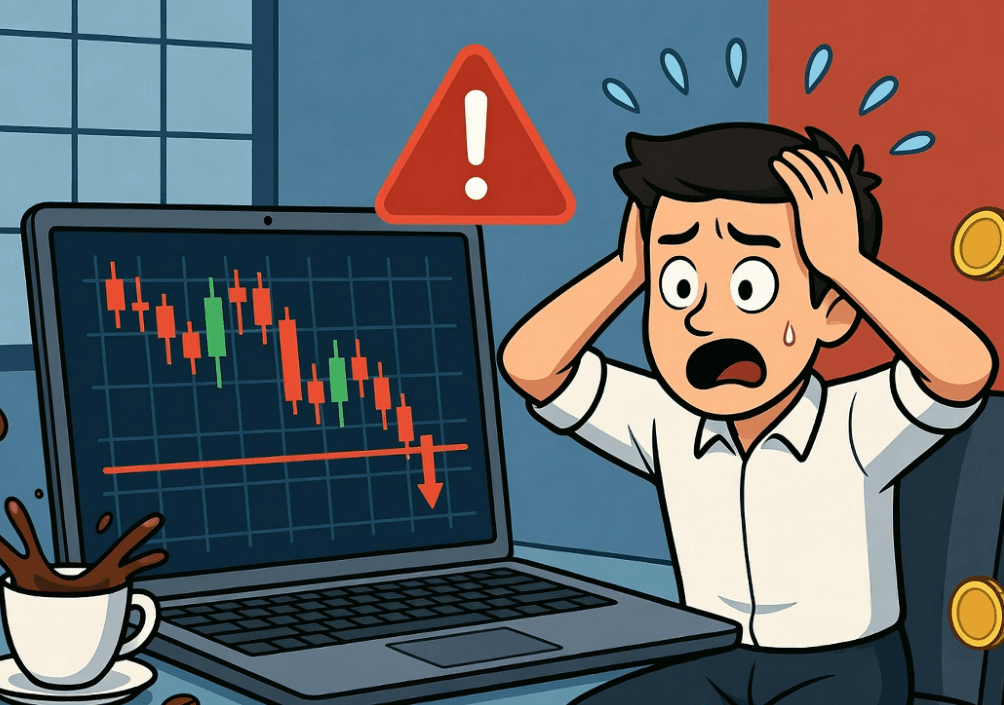
Illustration: Generated by AI
What are the main causes of a margin call?
Some of the most common factors that trigger a margin call include:
- using leverage that is too high;
- opening a position with a size that is too large;
- market volatility increasing sharply;
- price moving against the analysis;
- not adding margin when the position starts to lose.
The higher the leverage used, the smaller the price movement room before a margin call occurs.
How to calculate margin level?
Margin level indicates how safe the currently open position is. In general, margin level is calculated by comparing account equity against the margin used.
The higher the margin level, the greater the reserve funds the trader has to withstand price fluctuations. Conversely, a continuously declining margin level is a sign that the risk of a margin call is getting closer.
Because each platform has different maintenance margin requirements, the margin call threshold can also differ from one exchange to another.
Read Also: How to Trade Futures on Bittime for Beginners
5 Tips to Avoid Margin Calls
Margin calls can actually be minimized if traders apply disciplined risk management. Here are five steps most recommended by practitioners and futures trading platforms.
1. Use leverage wisely
Leverage can increase potential profits, but it also amplifies the risk of losses.
Beginner traders should avoid using leverage that is too high. Low leverage provides greater room for price movement without immediately triggering a margin call.
2. Always set a stop loss
Stop loss is one of the most important risk management tools in futures trading.
By setting a loss limit from the start, the position can be closed automatically before losses grow larger. This step also helps keep the margin above the minimum threshold.
3. Do not use all of your capital
A common mistake traders make is using almost the entire account balance to open a single position.
Leaving some capital as a reserve provides flexibility if the market moves beyond expectations. Those funds can also be used to add margin if needed.
4. Adjust position size to your capital
Position size should be adjusted to capital capacity, not solely based on conviction about market direction.
The larger the position size, the faster the margin decreases when the price moves against it. Therefore, managing position size is an important part of risk management.
5. Monitor margin regularly
Traders need to monitor the margin level while positions remain open, especially when the market is experiencing high volatility.
By checking account conditions routinely, traders have time to make decisions before the system issues a margin call.
Why is stop loss so crucial in futures?
Futures trading has characteristics that differ from trading assets in the spot market because it uses leverage.
Relatively small price movements can generate large profits, but they can also accelerate losses. Stop loss helps limit the impact of those movements so that capital remains protected.
Read Also:A Margin Call on Crypto Futures? Here’s What to Do to Avoid Liquidation
How to set a safe leverage level?
There is no leverage figure that can be considered the safest for all traders because it depends on each individual’s strategy, experience, and risk tolerance.
However, traders are generally advised to use leverage that matches their ability to manage risk. The higher the leverage chosen, the more disciplined the management of position size and stop loss must be.
What should you do when you receive a margin call?
When receiving a margin call, traders should immediately evaluate the condition of the open position.
Some actions that can be taken include:
- adding margin so the position can remain open;
- reducing part of the position size;
- closing the position if the analysis is no longer valid.
Ignoring a margin call will only increase the likelihood of automatic liquidation by the system.
Read Also: Beginners Must Know! These Are the Preparations Before Trading Crypto Futures
Conclusion: Discipline Is the Key to Avoiding Margin Calls
A margin call is part of the protective mechanism in futures trading that gives traders the opportunity to save their position before liquidation occurs. Nevertheless, the best step is not to wait for that warning to appear, but to prevent it from the start through good risk management.
Using leverage proportionally, setting stop losses, managing position size, and maintaining margin reserves are habits that can help traders survive in the long term.
Ultimately, success in futures trading is determined not only by the ability to read market direction, but also by discipline in managing risk.

Maximize your opportunities in both bull and bear markets with Bittime Futures. Sign up and start trading now!
Bittime is a Digital Financial Asset Trader (PAKD) platform licensed and supervised by the Financial Services Authority — a place where you can buy Bitcoin in Indonesia and hundreds of other crypto assets starting from Rp10,000. The registration process is fast, secure, and can be started today.
Monitor the conversion of USDT to IDR and the price movements of your favorite crypto assets in real time. Everything is available in one crypto investment app that can be downloaded for free on the Play Store.
Ready to start? Register now on Bittime and execute your investment strategy with a platform already trusted by millions of users in Indonesia.
FAQ
What is a margin call in futures trading?
A margin call is a warning from the platform that collateral funds have approached the minimum threshold, so the trader needs to take action immediately.
Why is a margin call dangerous?
If not handled, a margin call can lead to automatic liquidation that closes the position and causes most or all of the margin to be lost.
What are the main causes of a margin call?
The main causes are leverage that is too high, excessive position size, and price moving against the trader’s position.
How to avoid a margin call?
Use leverage wisely, set stop losses, limit position size, leave capital reserves, and monitor margin level regularly.
Is a margin call the same as liquidation?
No. A margin call is a warning, while liquidation is the automatic closure of a position when the margin no longer meets the minimum requirements.
Does a trader have to add funds when receiving a margin call?
Not always. Traders can also reduce position size or close the trade if the market analysis no longer supports the opened position.
Disclaimer: The views expressed belong exclusively to the author and do not reflect the views of this platform. This platform and its affiliates disclaim any responsibility for the accuracy or suitability of the information provided. It is for informational purposes only and not intended as financial or investment advice.

.png)