Bitcoin $320 Million Withdrawn from Liquid Network, White Hat Hacker Reveals DeFi Security Risks
2026-09-07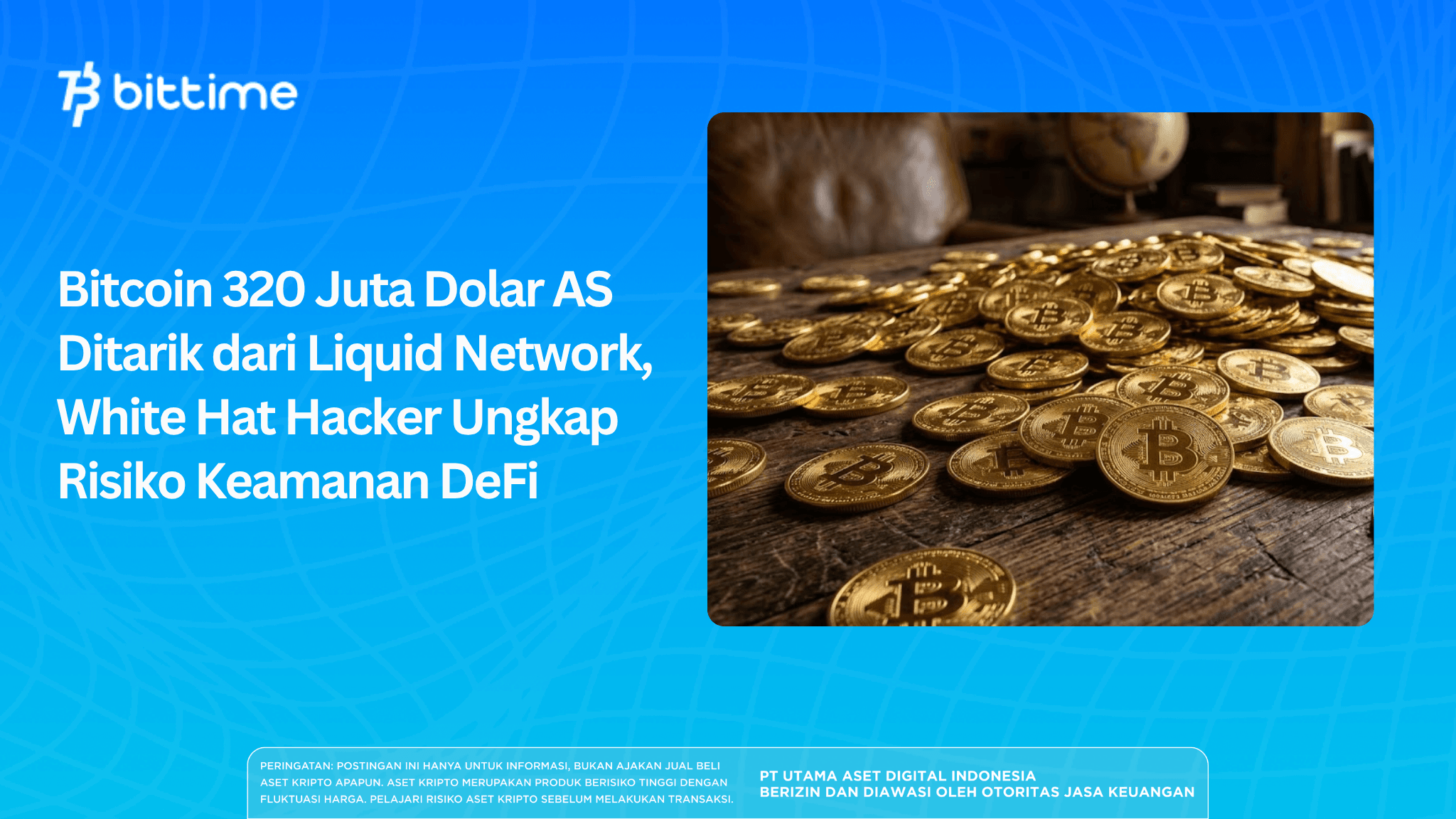
The crypto market is once again tested after approximately 4,000 BTC—worth roughly $320 million—was withdrawn from the Liquid Network federation reserve on September 6, 2026. This incident highlights two things at once: the robustness of Bitcoin's sidechain infrastructure and the vulnerabilities still haunting the DeFi ecosystem, especially on bridge and peg layers.
Key Takeaways
- Approximately 4,000 BTC (~$320 million) withdrawn from the Liquid Network federation reserve; the network is temporarily paused.
- The perpetrator left an on-chain message “we are whitehats”, but that claim has not been officially verified.
- This incident reinforces the urgency of trust-minimized bridge design and layered auditing for digital asset protection.
What Happened on Liquid Network
Liquid Network, Blockstream's Bitcoin sidechain, halted all transactions after a large withdrawal from the federation wallet that backs L‑BTC. On‑chain data shows two Bitcoin transactions moved nearly the entire reserve—about 3,996 BTC—to a new address, accompanied by an OP_RETURN message: “we are whitehats. contact us on chain”.
Liquid stressed that the SideSwap Peg‑out Authorization Key (PAK) and other federation keys were not compromised, but still closed bridge nodes for further investigation. Crypto exchanges were also asked to temporarily suspend LBTC deposits and withdrawals.
If you want to start transacting crypto assets with a verified local platform, you can register at Bittime to access a variety of secure and user‑friendly trading features.
The White Hat Claim and the Big Question Mark
The on‑chain message left by the perpetrator immediately sparked debate. Some parties called it a “white hat” action to highlight vulnerabilities, while others—including Ledger's CTO—expressed scepticism because the funds have not been returned and the motive remains unclear.
In previous bridge incidents, “white hat” status is usually recognised only after official coordination or fund return. Without that, such a claim is more accurately described as “purported”.
Read Also: Nvidia's $500 Billion AI Funding – Will AI Crypto Tokens Benefit?
Technical Impact and Risks for Users
Technically, the LBTC peg‑out mechanism still works: LBTC is burned, BTC is released from the reserve. However, because the reserve has shrunk drastically, Liquid chose to pause the network to prevent further risks. Other assets on Liquid like USDT and RWA tokens are said not to be directly affected, although Liquid wallet activity remains halted during the pause.
For users, the main risks are liquidity and access: LBTC deposits/withdrawals are halted, and prices could be pressured if the market perceives increased bridge risk. This is a reminder that custody and bridge infrastructure remain the main weak points in cross‑chain DeFi architectures.
Read Also: BIS Unveils New Potential of XRP Ledger for Digital Financial Systems
DeFi Security Lessons to Remember
The Liquid Network incident is not just news about “Bitcoin assets moved” in large numbers. It is a reminder that crypto security loopholes—especially in federated bridge layers—are still real and can potentially cause systemic losses.
Some key lessons:
- Trust‑minimized bridge design should be a priority, not an option.
- Layered audits and real‑time on‑chain monitoring must be applied to critical components such as PAK and watchmen.
- Transparency in incident response (fast communication, reserve status, recovery plan) determines market trust levels.
Read Also: 10 Free Bitcoin Mining and Faucet Sites in 2026 – Which Are Legit?
Conclusion
The incident of the 4,000 BTC withdrawal from Liquid Network reopens a serious discussion about DeFi security, especially on bridge and peg layers. The “white hat” claim is unverified, but the impact is real: network pause, liquidity disruption, and questions about crypto infrastructure design resurface.
Check the prices of Bitcoin (BTC), Ethereum (ETH), XRP, Solana (SOL), GRAM, and BNB as well as the top memecoin DOGE. You can trade directly on Bittime!

Bittime is a Digital Financial Asset Trader (PAKD) platform licensed and supervised by the Financial Services Authority — where you can buy Bitcoin in Indonesia and hundreds of other crypto assets starting from Rp10,000. The registration process is fast, secure, and can be started today.
Monitor the USDT to IDR conversion and the real‑time price movements of your favorite crypto assets. All available in one crypto investment app that can be downloaded for free from the Play Store.
Ready to start? Register now at Bittime and execute your investment strategy with a platform trusted by millions of users in Indonesia.
FAQ
Have the 4,000 BTC funds been returned?
Not yet. As of this article's writing, the funds are still at the recipient address and no official return has been confirmed.
Is LBTC still safe for users to hold?
On‑chain data shows the reserve is still sufficient to cover the circulating LBTC, but deposit/withdrawal access is temporarily suspended during the investigation.
What is meant by “white hat hacker” in this context?
This term refers to a party who claims to have found and exploited a vulnerability for good purposes, but its status is only valid if there is official coordination or fund return.
Does this incident directly affect the Bitcoin price?
No significant price impact has been seen yet because the funds have not been reported as moving to exchanges. The risk is more about sentiment and trust in bridge infrastructure.
How can I protect my digital assets from similar risks?
Use audited platforms, avoid excessive exposure to high‑risk bridges, and follow official updates from the relevant projects during security incidents.
Disclaimer: The views expressed belong exclusively to the author and do not reflect the views of this platform. This platform and its affiliates disclaim any responsibility for the accuracy or suitability of the information provided. It is for informational purposes only and not intended as financial or investment advice.

.png)