AVOF vs CDOF: Which Digital Oil Fund Narrative Is More Compelling?
2026-06-11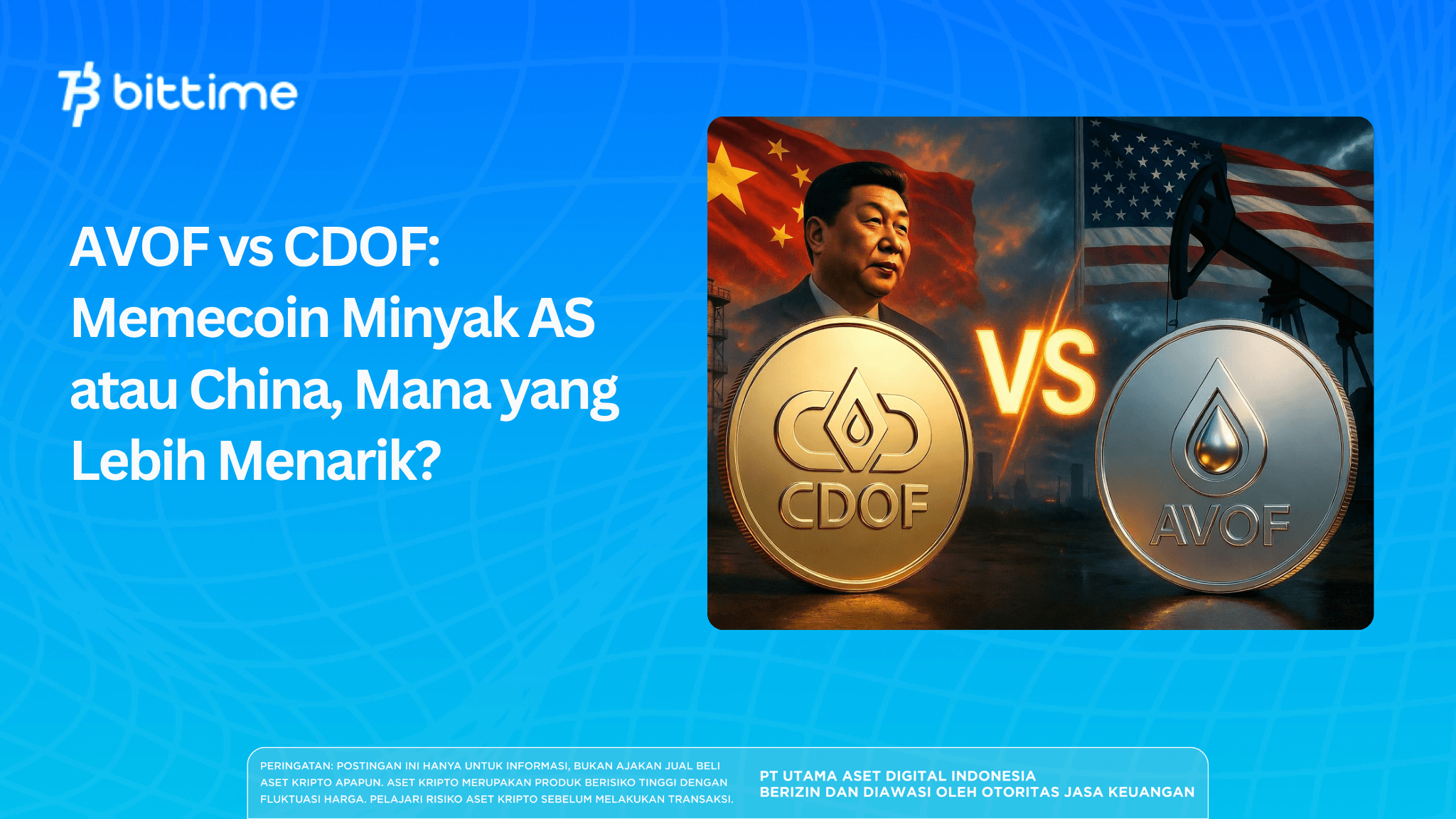
Crypto markets have always rewarded powerful stories. Bitcoin became known as digital gold, while newer sectors have gained momentum through themes such as artificial intelligence, real-world assets, and decentralized finance.
AVOF vs CDOF introduces another emerging category: digital oil fund narratives. Both projects use oil as a symbolic representation of economic power, but each approaches the concept through a different national identity.
As investors search for the next narrative-driven opportunity, understanding the differences between American Virtual Oil Fund and Chinese Digital Oil Fund becomes increasingly relevant.
Key Takeaways
- AVOF and CDOF are built around similar digital oil fund narratives but target different symbolic identities.
- Both projects function primarily as narrative-driven crypto assets rather than traditional commodity-backed investments.
- Community growth, liquidity, and market attention will likely determine their long-term success.
Understanding the Digital Oil Fund Narrative
To understand AVOF vs CDOF, investors must first understand the broader oil fund narrative.
Oil has historically been one of the world's most important strategic commodities. Nations have built economic strength, geopolitical influence, and industrial growth around access to energy resources. Both AVOF and CDOF attempt to translate that symbolism into blockchain-based assets.
Rather than representing ownership of physical oil reserves, these projects create digital narratives centered around energy, economic influence, and community participation.
This places them in a category often referred to as narrative assets, where value is largely driven by market attention, community engagement, and speculative interest rather than direct ownership of underlying commodities.
Read Also: What Is American Virtual Oil Fund (AVOF)? The Solana Memecoin Built Around an Oil Fund Narrative
AVOF vs CDOF: Narrative and Community Comparison
Although both projects operate within the same thematic category, their positioning differs significantly.
American Virtual Oil Fund (AVOF)
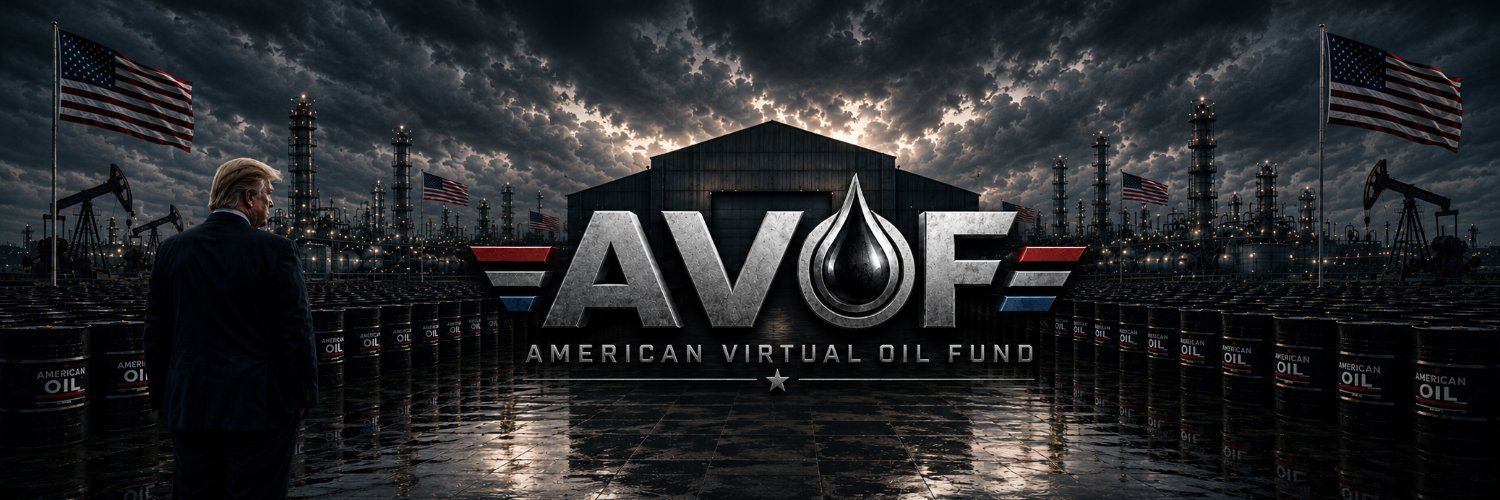
AVOF builds its identity around a virtual oil fund concept connected to governance and digital economic participation.
Key characteristics include:
- Governance-oriented branding
- Community-driven narrative
- Strong emphasis on digital economic power
- Solana ecosystem integration
- Active social media engagement
The project appears to focus on creating a broader governance and community identity beyond simple meme culture.
Chinese Digital Oil Fund (CDOF)

CDOF takes a different approach by centering its narrative on the concept of a digital oil fund inspired by China's economic influence and energy symbolism.
Key characteristics include:
- Digital oil fund branding
- Economic symbolism tied to China
- Commodity-focused narrative structure
- National economic identity themes
While AVOF emphasizes governance and participation, CDOF focuses more heavily on digital energy symbolism and economic storytelling.
Market Cap, Liquidity, and Trading Activity
Narratives attract attention, but market metrics often determine sustainability.
When evaluating AVOF vs CDOF, investors typically monitor several key indicators.
Market Capitalization
Market capitalization reflects the total valuation assigned by the market.
Smaller market caps often offer higher upside potential but also carry significantly greater risk.
Token Liquidity
Liquidity determines how easily investors can buy or sell assets without causing substantial price movements.
Projects with limited liquidity can experience dramatic volatility during periods of heavy trading activity.
Trading Volume
Consistent trading volume may indicate ongoing community engagement and market interest.
Low volume can increase price instability and reduce investor confidence.
Because both projects operate within highly speculative segments of the crypto market, these metrics can change rapidly and should be monitored regularly through on-chain analytics platforms.
Check out how to buy Solana (SOL) on Bittime!
Which Project Is More Attractive?
There is no universal answer to this question.
The more compelling project often depends on which narrative investors believe has greater potential to attract and sustain community interest.
Reasons Some Investors Prefer AVOF
- American economic symbolism has broad global recognition.
- Governance-focused messaging creates additional narrative depth.
- Community-building appears to be a central component of the project's identity.
Reasons Some Investors Prefer CDOF
- China's economic influence provides a powerful narrative foundation.
- The digital oil fund concept directly connects to energy symbolism.
- The project may appeal to investors interested in geo-economic crypto narratives.
Shared Risks
Regardless of preference, both projects face similar challenges:
- Liquidity risk
- Volatility risk
- Narrative sustainability risk
- Holder concentration risk
- Execution risk
According to industry reporting from CoinDesk and Cointelegraph, narrative-driven assets often depend heavily on maintaining community engagement and market relevance over time.
Conclusion
The AVOF vs CDOF comparison highlights a fascinating evolution within the cryptocurrency industry. Both projects combine energy symbolism, economic identity, and digital asset speculation into unique narrative frameworks.
American Virtual Oil Fund introduces governance-oriented virtual oil fund concepts, while Chinese Digital Oil Fund focuses on digital energy narratives connected to China's economic influence.
Neither project currently represents ownership of physical oil assets, making them best understood as narrative-driven crypto assets rather than commodity-backed investments.

Check out other popular Solana meme coins such as BONK, TRUMP, WIF, and PENGU, available on the Bittime market
Bittime is a licensed and regulated Digital Financial Asset Trader (PAKD) supervised by Indonesia’s Financial Services Authority (OJK) — where you can buy Bitcoin in Indonesia and hundreds of other crypto assets starting from just Rp10,000. The registration process is fast, secure, and you can get started today.
Track USDT to IDR conversions and monitor your favorite crypto assets in real time. Everything is available in one crypto investment app that you can download for free on the Play Store
Ready to start? Register now on Bittime and execute your investment strategy with a platform trusted by millions of users in Indonesia.
FAQ
What is the main difference between AVOF and CDOF?
AVOF emphasizes governance and community participation, while CDOF focuses more directly on digital oil fund symbolism and China's economic narrative.
Are AVOF and CDOF backed by real oil reserves?
Based on publicly available information, neither project claims direct ownership of physical oil reserves.
Which project has a stronger narrative?
This depends on investor preference. Some favor AVOF's governance-focused approach, while others prefer CDOF's digital energy narrative.
Are AVOF and CDOF considered memecoins?
They are often categorized as narrative-driven speculative crypto assets that share characteristics with memecoins.
What are the biggest risks associated with AVOF and CDOF?
Major risks include volatility, liquidity limitations, market sentiment shifts, and project execution uncertainty.
Can these projects become long-term investments?
Their long-term viability will depend on community adoption, ecosystem growth, liquidity expansion, and sustained market relevance.
Disclaimer: The views expressed belong exclusively to the author and do not reflect the views of this platform. This platform and its affiliates disclaim any responsibility for the accuracy or suitability of the information provided. It is for informational purposes only and not intended as financial or investment advice.

.png)