Is USDT Safe? Get to Know Tether's Proposal and Depeg Risks
2026-07-29
USDT It is the world's largest stablecoin by market capitalization and the most widely used digital asset for trading, cross-border fund transfers, and temporary value storage in the crypto ecosystem.
Different from Bitcoin or Ethereum which has high volatility, USDT is designed to keep its value close to US$1.
However, this popularity also raises an important question among investors: is USDT really safe?
These concerns arose because several stablecoins had lost their peg to the US dollar (depeg), while Tether, the issuer of USDT, had also faced scrutiny regarding the transparency of its asset reserves.
So, is USDT still suitable for use as a store of value in the crypto world?
Here is a complete explanation of how USDT works, Tether recommendations, deposit risks, and tips for using USDT more safely.
Key Takeaways
USDT maintains its value through a reserve of assets managed by Tether, not through an algorithm like some other stablecoins.
While relatively stable, USDT still carries risks, including temporary depreciation, regulatory risk, and issuer risk.
Users should store USDT on trusted platforms and understand that stablecoins still carry risks despite their low volatility.
Want to use USDT safely for trading and investing? Register at Bittime now and start trading crypto assets more easily.
What Is USDT and How Does It Work?
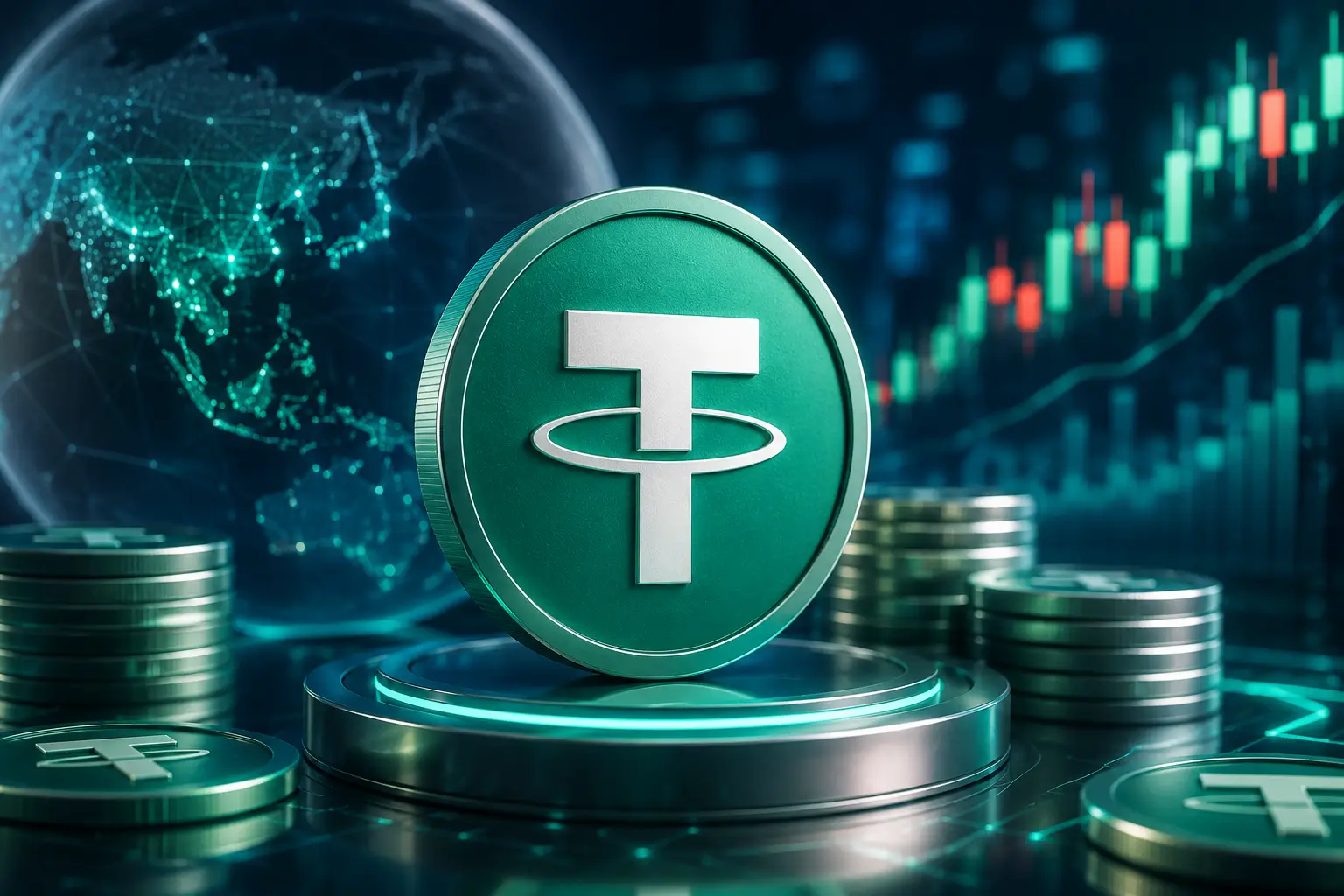
USDT (Tether) is a stablecoin issued by Tether Limited.
Stablecoin is a crypto asset designed to have a stable value by referring to a specific asset, in this case the United States dollar.
Each USDT issuance occurs when a user deposits funds into Tether or through certain institutional mechanisms.
Conversely, when USDT is redeemed back into US dollars, the tokens are withdrawn from circulation, keeping the supply in line with market demand.
Unlike algorithmic stablecoins that rely on code mechanisms and market incentives, USDT is backed by an asset reserve (asset-backed stablecoin).
This model makes USDT price fluctuations generally much smaller than other crypto assets.
Read Also: USDT to IDR: Which is the Most Fee-Effective Method?
Why is the USDT Price Designed to Remain Equal to the US Dollar?
USDT's primary goal is to maintain a price close to US$1 so that it can be used as a store of value and a means of transaction in the crypto ecosystem.
This stability is maintained through an arbitration mechanism.
If the price of USDT drops below US$1, market participants can buy USDT at a discount and then exchange it for Tether at a value of US$1, thus pushing the price back up.
Conversely, when the price of USDT is above US$1, institutions can mint new USDT through Tether and sell it on the market.
This additional supply helped bring prices back to the US$1 range.
This mechanism has enabled USDT to maintain price stability over the years, despite occasional minor fluctuations due to market conditions.
How Do Tether Reserves Support the Value of USDT?
One of the main factors determining the security of USDT is the quality of Tether's asset reserves.
According to the reserve report published periodically, the majority of USDT's backing assets consist of:
US Treasury Bills (short-term US government debt securities)
Cash and cash equivalents
Reverse repurchase agreements (reverse repo)
Money market funds
A small portion of other investments such as gold and Bitcoin
In recent years, Tether has gradually reduced its commercial paper holdings and increased its holdings of US Treasury Bills, which are considered lower risk.
While Tether publishes periodic reserve reports through an independent accounting firm, the company has not conducted a full financial audit as a public company would.
This is still one of the criticisms that is often expressed by some market players.
Read Also: Guide on How to Buy USDT with IDR Balance on the Bittime App
Has USDT Ever Experienced a Depeg?
Yes, USDT has experienced depegs several times, although they are generally only temporary.
One example occurred in May 2022 when the collapse of the Terra-LUNA ecosystem sparked panic in the crypto market.
At that time, the price of USDT fell to around US$0.95 on several exchanges before returning to near US$1 in a relatively short time.
A similar incident also occurred when banking turmoil in the United States sparked concerns about the financial sector.
However, unlike algorithmic stablecoins like UST, which failed to maintain their peg permanently, USDT managed to recover because its redemption mechanism and asset reserve support remained operational.
In other words, the USDT depreciation so far has been driven more by market panic than by a failure of the issuance system.
Read Also: How to Stake USDT on Bittime in 4 Easy Steps
What are the risks of storing and using USDT?
Despite being considered one of the most stable stablecoins, USDT still carries a number of risks.
The first risk is issuer risk
Users must trust that Tether actually holds sufficient asset reserves to back all USDT in circulation.
The second risk is regulation
Governments in various countries are beginning to tighten regulations on stablecoins. Regulatory changes could impact Tether's operations and user access to USDT.
Furthermore, there is a liquidity risk when market conditions experience extreme panic. In certain situations, the USDT price may fluctuate slightly below or above US$1 before stabilizing.
Users also need to be aware of platform risks. Storing USDT on a crypto exchange means users are relying on the platform's security.
In the event of a hack or exchange bankruptcy, user assets may be affected.
Read Also: Crypto Investment with USDT in Indonesia for Beginners
How to Use USDT More Safely?
Using USDT safely depends not only on the quality of the stablecoin itself, but also on how users manage their assets.
Choose a crypto exchange that has a good reputation and implements high security standards.
If storing USDT for the long term, consider using a self-custody wallet so that control of the assets remains in your hands.
Additionally, avoid placing all your funds in a single asset. Diversifying across multiple instruments can help mitigate risk if a single asset experiences disruption.
Investors are also advised to monitor Tether's reserve reports, changes in stablecoin regulations, and overall crypto market conditions to make more informed decisions.
Conclusion: Is USDT Safe to Store and Use?
Overall, USDT remains the most widely used stablecoin in the world and has demonstrated resilience during periods of market volatility. Its asset reserve backing, redemption mechanism, and high liquidity are key reasons why USDT remains a preferred choice for many investors and traders.
However, USDT is not a completely risk-free asset.
Users still need to understand the potential for temporary depreciation, regulatory risks, and risks associated with stablecoin issuers.
For most users, USDT can be an effective tool for temporarily storing value, transferring digital assets, and transacting in the crypto market.
However, like any investment, the decision to use USDT should still be based on an understanding of its benefits and risks.
Bittime is a licensed and regulated Digital Financial Asset Trader (PAKD) supervised by Indonesia’s Financial Services Authority (OJK) — where you can buy Bitcoin in Indonesia and hundreds of other crypto assets starting from just Rp10,000. The registration process is fast, secure, and you can get started today.
Track USDT to IDR conversions and monitor your favorite crypto assets in real time. Everything is available in one crypto investment app that you can download for free on the Play Store
Ready to start? Register now on Bittime and execute your investment strategy with a platform trusted by millions of users in Indonesia.
FAQ
Is USDT really backed by US dollars?
USDT isn't held entirely in cash dollars. Its value is backed by various asset reserves, such as US Treasury bills, cash, and other liquid assets managed by Tether.
Has USDT ever lost its value of US$1?
Yes. USDT has experienced temporary depreciation several times due to market volatility, but so far it has always managed to return to near US$1.
What causes USDT to depeg?
Depegs are usually triggered by market panic, liquidity pressure, or negative sentiment towards the crypto industry, not by algorithmic mechanisms like those of the UST stablecoin.
Is storing USDT safer than Bitcoin?
USDT has much lower volatility than Bitcoin. However, USDT has issuer and regulatory risks, while Bitcoin is more affected by market price fluctuations.
Is USDT suitable for long-term investment?
USDT is primarily used as a temporary store of value or a means of transaction in the crypto ecosystem. For long-term investments, users should still consider their investment objectives and portfolio diversification.
Disclaimer: The views expressed belong exclusively to the author and do not reflect the views of this platform. This platform and its affiliates disclaim any responsibility for the accuracy or suitability of the information provided. It is for informational purposes only and not intended as financial or investment advice.

.png)


