What is The Grays Currency (TGC) and the Project Behind It?
2025-12-08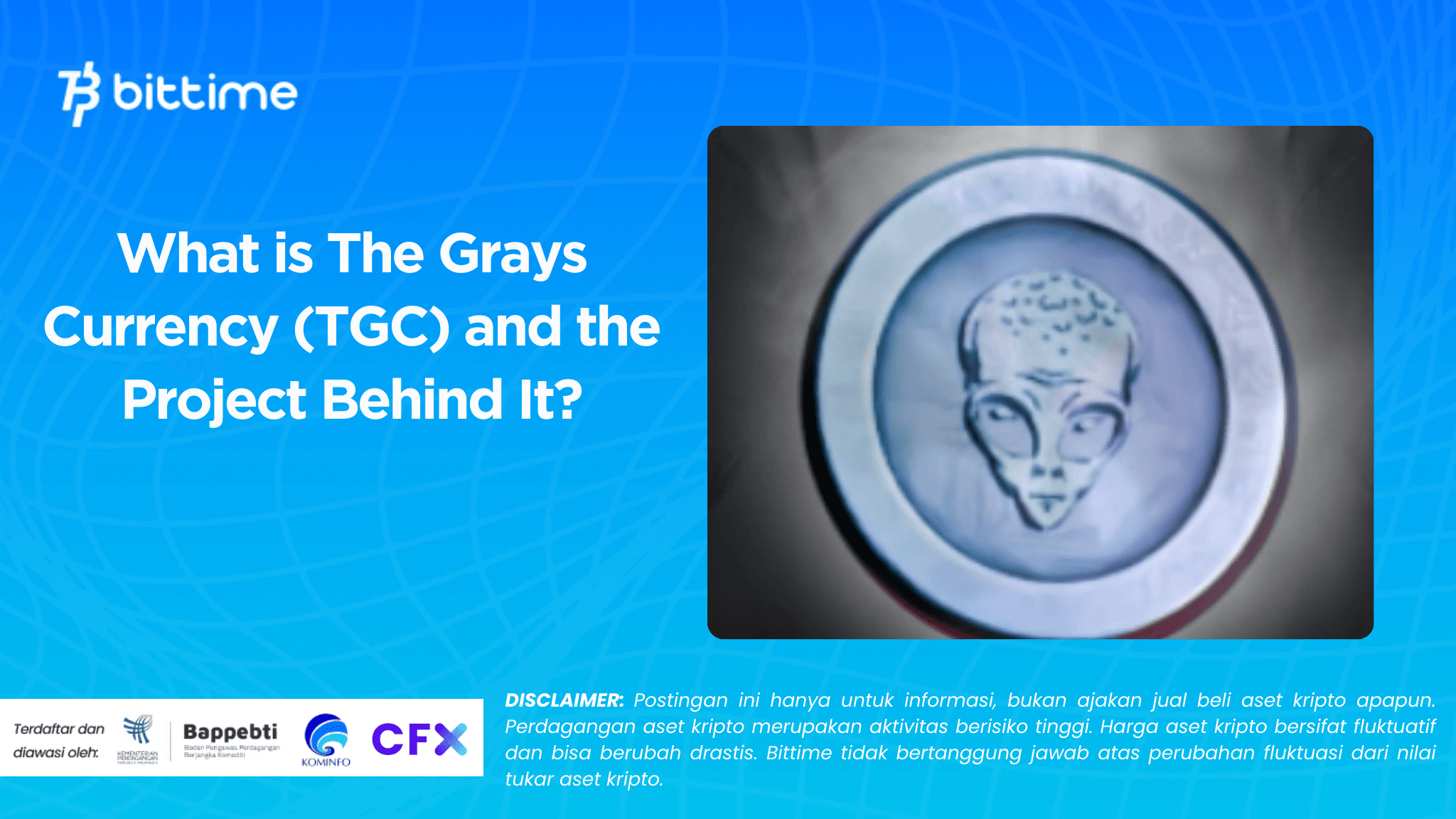
Bittime - The Grays Currency, often abbreviated as PTGC or TGC, refers to a token operating within the PulseChain ecosystem and stands out for its claim to be a decentralized DAO model.
The name of this token has been in the news again following recent price fluctuations and a surge in transaction volume.
For readers who want to understand what Grays Currency TGC is and what project is behind this token, the following analysis provides a technical summary, the latest market data, governance mechanisms, and risks to be aware of.
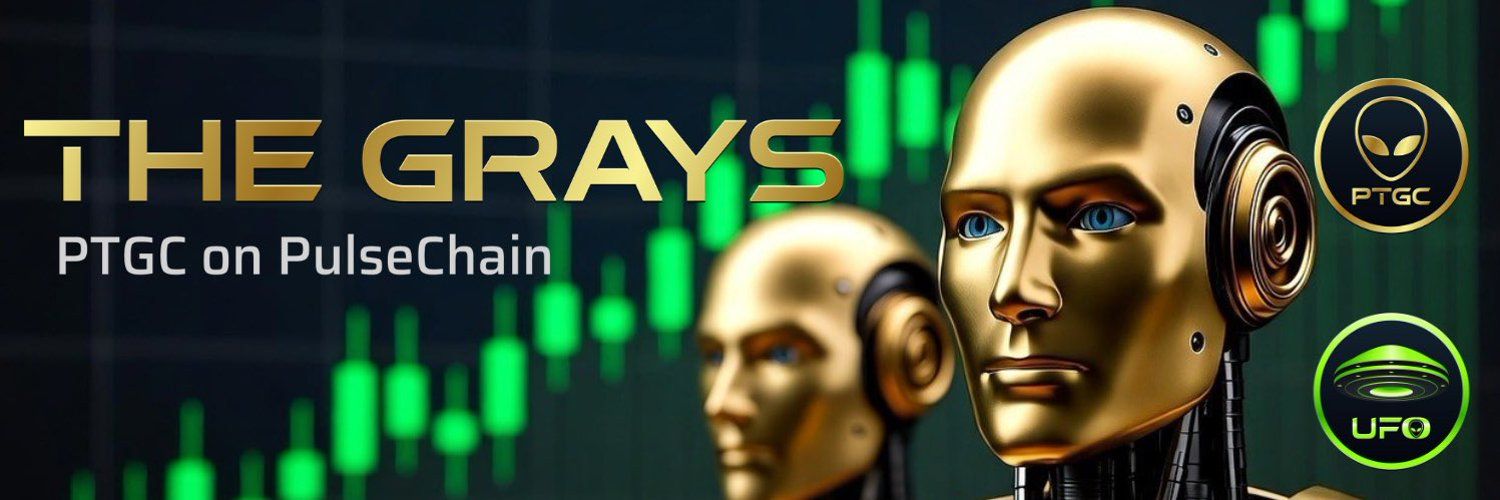
What is The Grays Currency and its ecosystem
The Grays Currency is positioned as a token focused on a community governance structure with a decentralized DAO model on the PulseChain network.
The project states that token holders can receive rewards simply by holding tokens, as well as gain access to staking without time locks to double profits.
This ecosystem also places the mission of buying and burning pair liquidity as one of the supply reduction strategies.
The token's category on some market trackers is listed as a meme, but the governance features and burn program give it a sense of utility behind the seemingly lighthearted name.
Important market metrics and latest data
Based on the latest market data, PTGC's price is at a level that reflects significant trading activity in the last 24 hours.
Important metrics to pay attention to include price per token, market capitalization, 24-hour trading volume, circulating supply, and total supply.
As an illustration, market capitalization figures indicate a market value in the tens of millions of dollars, with a maximum supply that is much larger than the current circulating supply — a factor that influences price dynamics as token circulation increases.
Price and volume movements are key signals to monitor to assess liquidity and buying and selling pressure.
How the governance and reward mechanisms work
One of the project's central claims is its DAO-based governance mechanism, which allows for active participation by token holders. The project stipulates that proposals can be made by specific participants, such as top stakers, while all stakers can vote on active proposals.
Additionally, the reward system is designed to reward you simply for holding tokens, with staking options to increase returns without lock-up periods.
The practice of buying and burning liquidity has also been cited as a strategy to alleviate supply pressure. However, the effectiveness of this mechanism depends on community participation and transparency in policy implementation.
Technical infrastructure, listing and trading access
The Grays Currency operates on the PulseChain ecosystem and is primarily traded on decentralized exchanges within the network, with PulseX cited as one of the platforms with the most active trading pairs.
Due to its chain-specific nature, access will depend on wallet compatibility and pair availability on DEXs or CEXs that support PulseChain.
Prospective users should ensure the correct token contract address and check the liquidity in the pool before making a purchase to avoid slippage and the risk of counterfeit tokens.
Opportunities and risks that need to be taken into account
The main opportunities lie in a governance structure that allows for direct community participation, staking incentives without lock-ups, and an LP burning strategy that has the potential to suppress supply.
However, several real risks are worth noting: tokens classified as memes exhibit high volatility; a large maximum supply could depress prices if a mass unlock occurs; and potential technical or administrative risks if team transparency or smart contract audits are inadequate.
For investors, it is important to verify contracts, assess liquidity, and monitor roadmaps and proof of burns or other onchain actions.
Verification recommendations before interacting with TGC/PTGC
Before purchasing or participating in staking, ensure you follow these verification steps: confirm the token contract address through the project's official sources; check supply data and on-chain burn receipts; check volume and liquidity in the trading pool you plan to use; and review whether there are independent smart contract audits.
Additionally, read the roadmap and official announcements to assess the team's consistency in executing on project promises. Simple steps like testing small swap amounts can help minimize risks in the event of an address error or low liquidity.
Conclusion
The Grays Currency (TGC/PTGC) positions itself as a DAO token on the PulseChain network with a reward mechanism for holders, a staking option without lock-up, and a liquidity buy and burn strategy.
Market metrics show significant trading activity, but the token profile falls into a volatile category.
The project's long-term success will depend heavily on the team's transparency, the implementation of DAO governance, and how effectively the community and ecosystem partners support the token's utility.
Investors and users are advised to conduct thorough verification and assess the risks before interacting with this token.
FAQ
What is the difference between the terms TGC and PTGC?
TGC and PTGC refer to The Grays Currency; different notations may appear depending on the platform and the naming of the token pair.
Where can I buy The Grays Currency?
Tokens are commonly traded on DEXs within the PulseChain ecosystem, with several active pairs on the network's popular platforms. Be sure to check pool liquidity before swapping.
Does The Grays Currency have a burning mechanism?
The project cites liquidity buys and burns as part of its mission, but users must verify proof of burn and onchain activity to ensure those claims are realized.
Is it safe to stake PTGC without lock up?
Staking without lockup offers flexibility, but security and returns depend on the smart contract mechanism and liquidity. Always check the audit and reputation of the staking contract before delegating tokens.
What factors most influence PTGC prices?
Market liquidity, circulating supply versus total supply, realized burns, community adoption rate, and broader crypto market sentiment are key determining factors.
How to Buy Crypto on Bittime
Want to trade sell buy Bitcoins and crypto investment easily? Bittime is here to help! As an Indonesian crypto exchange officially registered with Bappebti, Bittime ensures every transaction is safe and fast.
Start with registration and identity verification, then make a minimum deposit of IDR 10,000. After that, you can immediately buy your favorite digital assets!
Check the exchange rate BTC to IDR, ETH to IDR, SOL to IDR and other crypto assets to find out today's crypto market trends in real-time on Bittime.
Also, visit the Bittime Blog for interesting updates and educational information about the crypto world. Find reliable articles about Web3, blockchain technology, and digital asset investment tips designed to enrich your crypto knowledge.
Disclaimer: The views expressed belong exclusively to the author and do not reflect the views of this platform. This platform and its affiliates disclaim any responsibility for the accuracy or suitability of the information provided. It is for informational purposes only and not intended as financial or investment advice.
.png)