What is Phishing? Discussion and Complete Guide to Overcoming It!
2025-12-24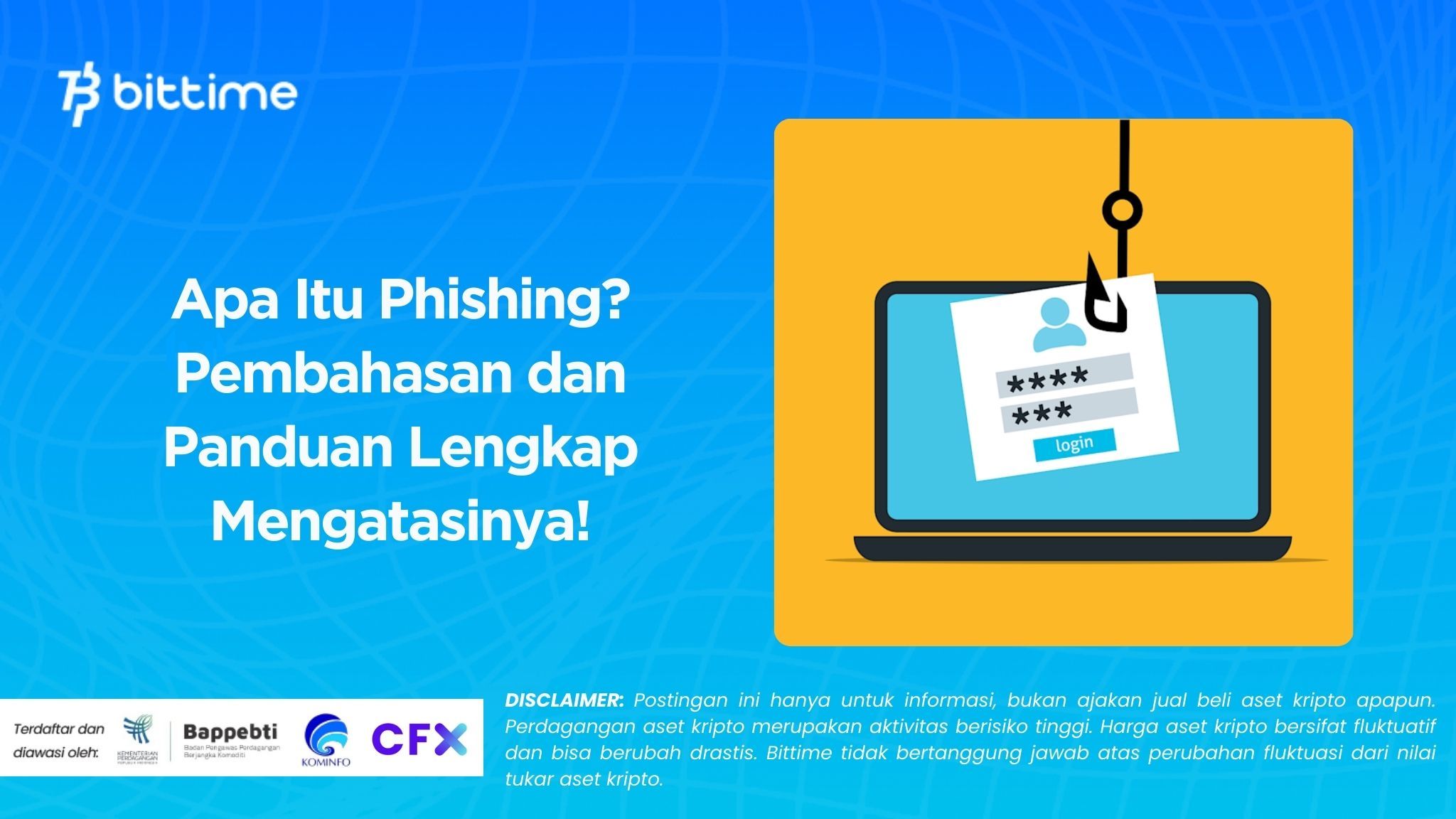
Phishing is a digital threat that we increasingly face, especially with the rise of online activities. Many people unknowingly become victims of phishing, which can lead to significant losses, ranging from identity theft to financial data breaches.
We will discuss what phishing is, how to recognize its signs, and the steps you can take to protect yourself from this attack. Let's dive deeper so you can stay safe in the digital world!
What is Phishing?
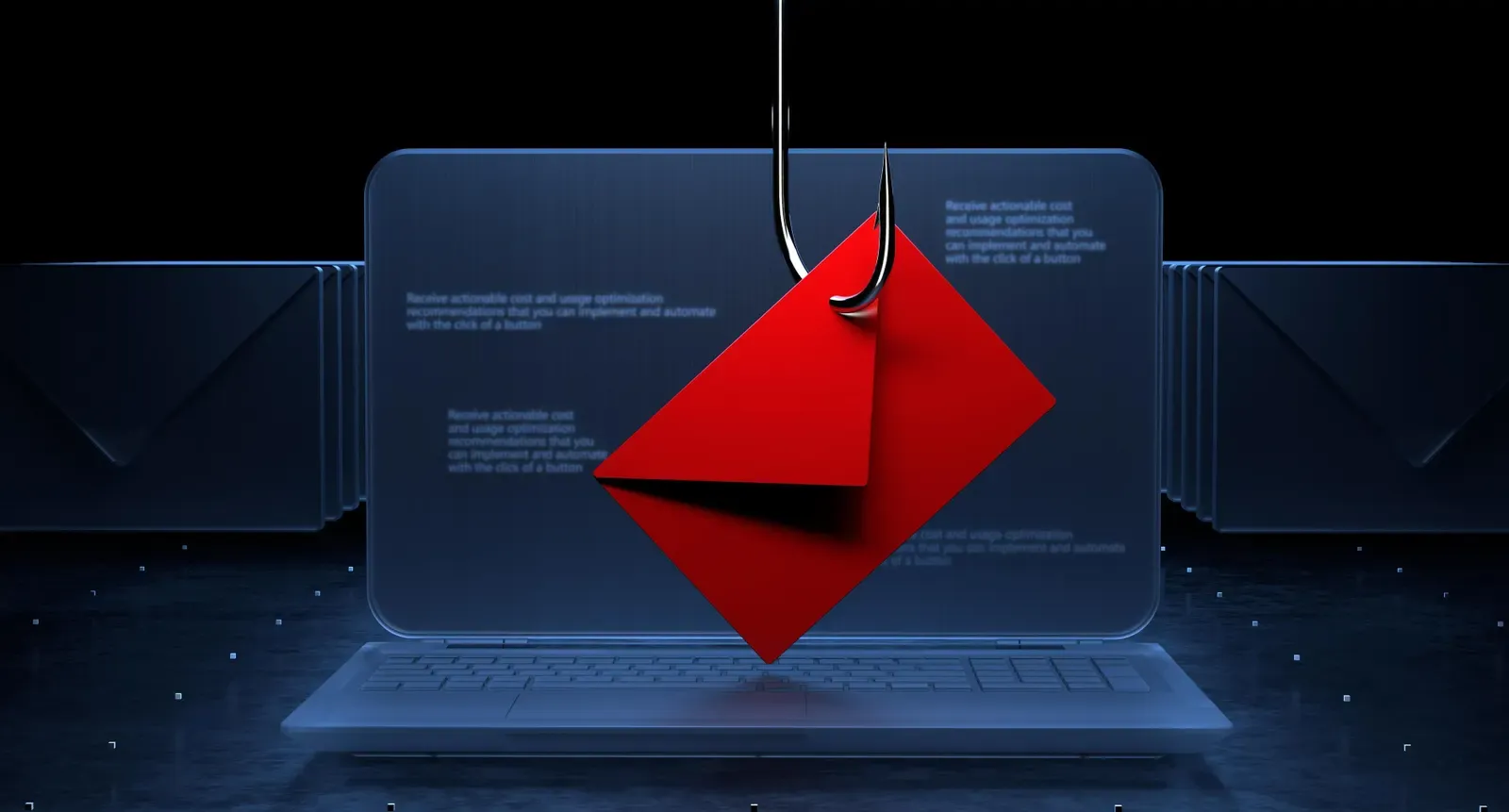
Phishing is a fraud technique used by irresponsible parties to deceive victims and obtain their personal information.
The scammers often pose as trusted parties, such as banks, companies, or even friends, to request sensitive data such as usernames, passwords, credit card numbers, or other personal information.
This technique is usually carried out through emails, text messages, or even convincing social media platforms.
Phishing often involves creating fake websites or emails that closely resemble the original ones, making the victim feel safe entering their personal information.
The main goal of phishing is to gain unauthorized access to the victim's account, which can then be used for malicious purposes such as theft of money or identity.
How Does Phishing Work?
Phishing works by exploiting the user's carelessness or lack of knowledge. Here is a common way phishing is carried out:
- Fake emails or messages: Scammers send emails that appear to come from a trusted institution, such as a bank or online shopping platform, containing links or attachments that lead to fake websites.
- Fake links: When the victim clicks the link, they will be directed to a fake login page designed to look similar to the real one. Once the victim enters their personal information, the data is sent directly to the scammer.
- Phone fraud (Vishing): In some cases, scammers may call the victim and pretend to be a bank officer or another company representative to ask for personal information.
Also Read: Crypto Trading Strategies for Beginners, Don't Do This!
Benefits and Functions of Protecting Yourself from Phishing?

Avoiding phishing is an important step in protecting personal and financial data. Here are some benefits of protecting yourself from phishing:
1. Preventing Identity Theft
Phishing is often used to steal someone's identity. If scammers succeed in obtaining personal data, they can use it for criminal activities or even open fraudulent accounts in the victim's name.
2. Protecting Finances
Phishing can cause significant financial losses, especially if the victim's bank account or credit card information falls into the wrong hands. By recognizing phishing signs, you can protect your bank accounts and financial information.
3. Increasing Digital Trust
By always being vigilant against phishing, you can maintain your online reputation and ensure that your personal data doesn't fall into the wrong hands. This security also enhances trust when making transactions or interacting online.
Also Read: 7 Proven Crypto Trading Tips for Beginners, Complete with Tips and Tricks
How to Avoid Phishing?
To protect yourself from phishing, there are several steps you can take:
1. Be Cautious of Suspicious Emails and Messages
Be careful with unexpected emails or messages, especially those asking for personal information. If the message is urgent or offers something too good to be true, it's better to ignore it or verify its authenticity.
2. Carefully Check URLs
Before clicking any link in an email or message, make sure the URL is from a legitimate website. Phishing websites often use addresses that are similar to the original ones, with slight changes in the domain name.
3. Use Two-Factor Authentication (2FA)
Enabling two-factor authentication on accounts that support it is an effective way to protect your account, even if scammers manage to get your password. 2FA adds an extra layer of security by requiring a verification code in addition to the password.
4. Never Share Personal Information Carelessly
Never share personal information through email, phone, or suspicious websites. Legitimate organizations will not ask for sensitive information in these ways.
Conclusion
Phishing is a real threat in the digital world, and it's important to stay vigilant to avoid becoming a victim.
By understanding how phishing works and implementing preventive measures such as verifying links and using two-factor authentication (2FA), you can keep your personal and financial data safe. Don't let phishing compromise your digital security; protect your personal information wisely!
Protect your account security with Bittime Exchange for secure trading or read the latest crypto news on Bittime Blog.
FAQ
What is phishing?
Phishing is a fraudulent attempt made by disguising as a trusted entity to steal personal information such as passwords, financial data, or other private details.
How does phishing work?
Scammers send fake emails or messages that contain links to fraudulent websites. When the victim enters their personal information, the data is immediately sent to the scammers.
What are the dangers of phishing?
Phishing can lead to identity theft, financial loss, and misuse of personal data that can be used to commit fraud or other crimes.
How can I avoid phishing?
Be cautious of suspicious emails or messages, check URLs carefully, enable two-factor authentication (2FA), and never share personal information carelessly.
What should I do if I become a phishing victim?
If you become a phishing victim, immediately change your account passwords, report the incident to authorities, and take preventive measures to protect your other data.
Disclaimer: The views expressed belong exclusively to the author and do not reflect the views of this platform. This platform and its affiliates disclaim any responsibility for the accuracy or suitability of the information provided. It is for informational purposes only and not intended as financial or investment advice.

.png)