What Is Euclid Protocol? A Unified Liquidity Layer Aiming to Unify DeFi
2026-03-15
DeFi has had a fundamental problem that hasn't been solved since its inception: liquidity spread across dozens of different blockchains, unable to access each other without expensive and risky bridges.
Of the $98 billion TVL across the DeFi ecosystem, most of it is locked in isolated pools, creating price friction, high slippage, and a frustrating user experience.
Euclid Protocol comes with a different thesis than all previous solutions: instead of moving liquidity between chains, it creates a single layer where all liquidity can be accessed from anywhere without having to go anywhere.
Key Takeaways
Euclid is not a bridge and not an aggregator, but a liquidity consensus layer that brings together pools from 40+ networks in one venue.
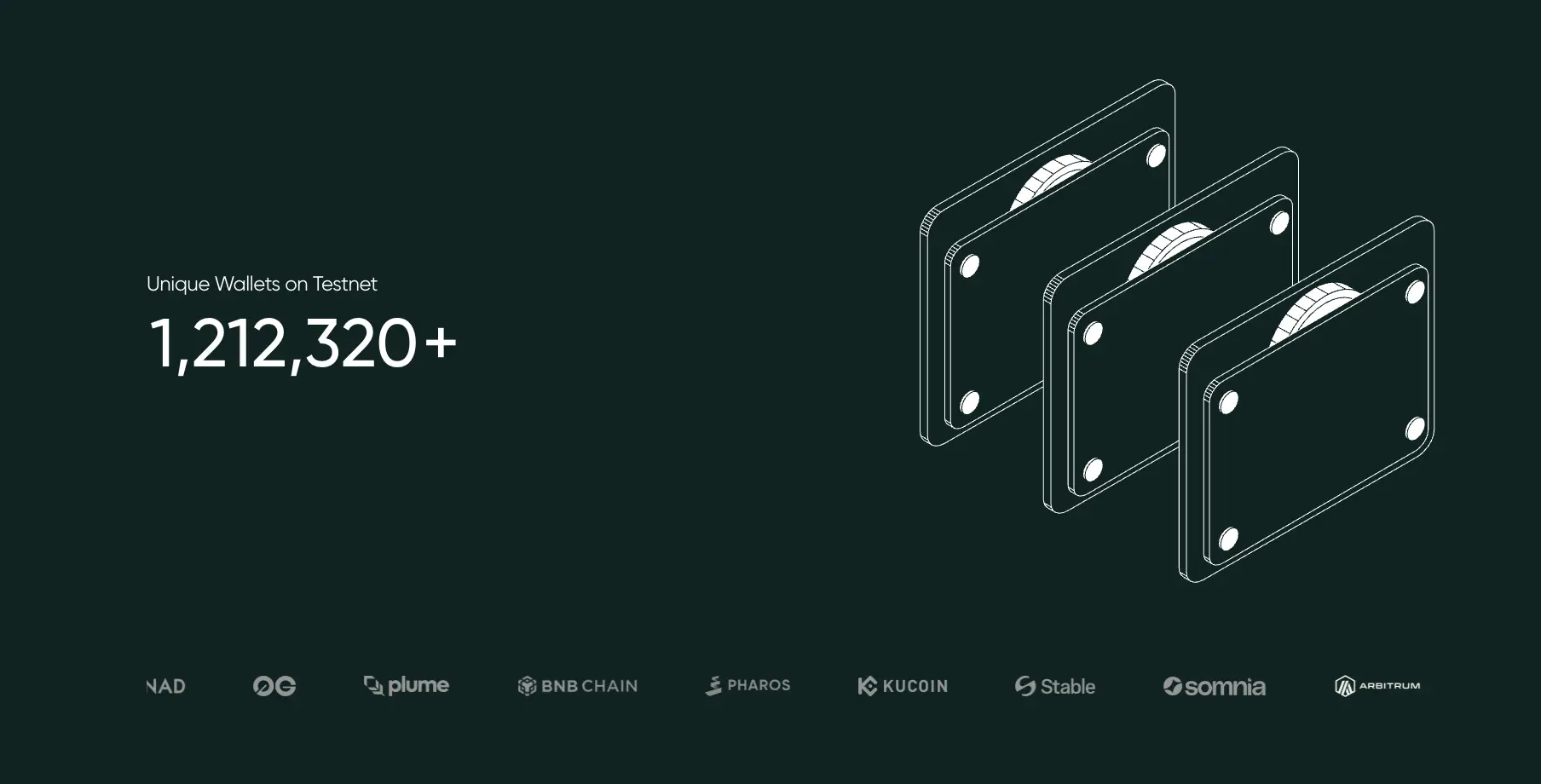
Phase 2 private mainnet has been live since March 10, 2026 with 18M+ testnet transactions and 1.2 million connected wallets.
TGE is scheduled for H1 2026 with Passport as the access ticket, minting has already closed at 155,000.
Register at Bittime now and start trading crypto with a fast, safe, and easy process in the app.
The Problems Euclid Protocol Aims to Solve
For years, the crypto industry treated liquidity as a limited resource that projects had to compete for through incentives and marketing.
This approach creates fragmentation across the network, with the same asset requiring separate liquidity pools on different chains.
To illustrate the problem: if there is a $1 million pool across 10 chains, you can only trade against $1 million in liquidity, even though $10 million in liquidity actually exists.
Before Euclid, fragmented markets meant each chain had to build its liquidity from scratch.
Liquidity fragmentation currently locks over $30 billion across chains.
To do a simple swap like ETH the SOL the POL the USDC the USDT in a single transaction, with the current system you need multiple bridges, swaps, and huge fees — making it impractical.
Read also:What Is World Mobile Token (WMTX)? The DePIN Cryptocurrency That Wants to Connect the World
What is Euclid Protocol?
Euclid Protocol is a decentralized infrastructure layer designed to unify liquidity across fragmented blockchain ecosystems like Ethereum, Solana, and Cosmos.
This protocol eliminates the need for traditional bridging by providing virtual liquidity pools, atomic cross-chain swaps, and a messaging protocol that enables fast settlement and deep liquidity access without moving assets between chains.
Georges Chouchani, founder of Euclid Protocol, describes his vision with an apt analogy: Euclid is not like a broker looking for the best path to complete a trade — Euclid is the New York Stock Exchange where all brokers from around the world trade because it is the most liquid venue accessible.
Read also:What Is the WAR Meme Coin? WAR Token Analysis, Latest Price, and Potential in the Crypto Market
How It Works: Three Core Components
Euclid works through three interconnected layers of infrastructure:
FirstLumen acts as a Virtual Settlement Layer: a single source of truth that coordinates liquidity across the network and enforces finality safeguards. It is a central "ledger" that records all liquidity states without the need to move physical assets.
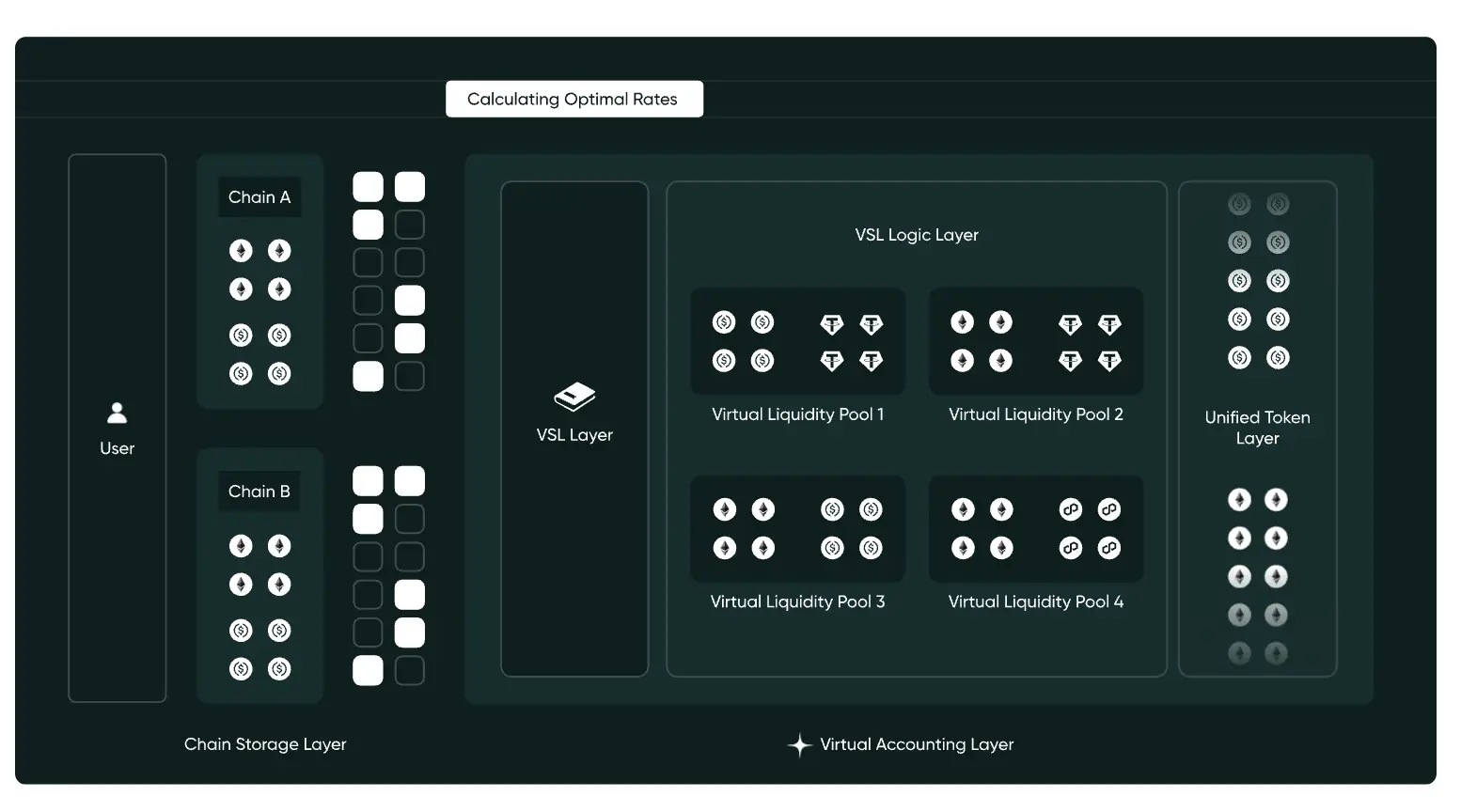
Second, Virtual Liquidity Pools (VLPs): structures that virtually pool liquidity so that users on one chain can access a deeper aggregate of liquidity without physically moving assets between chains.
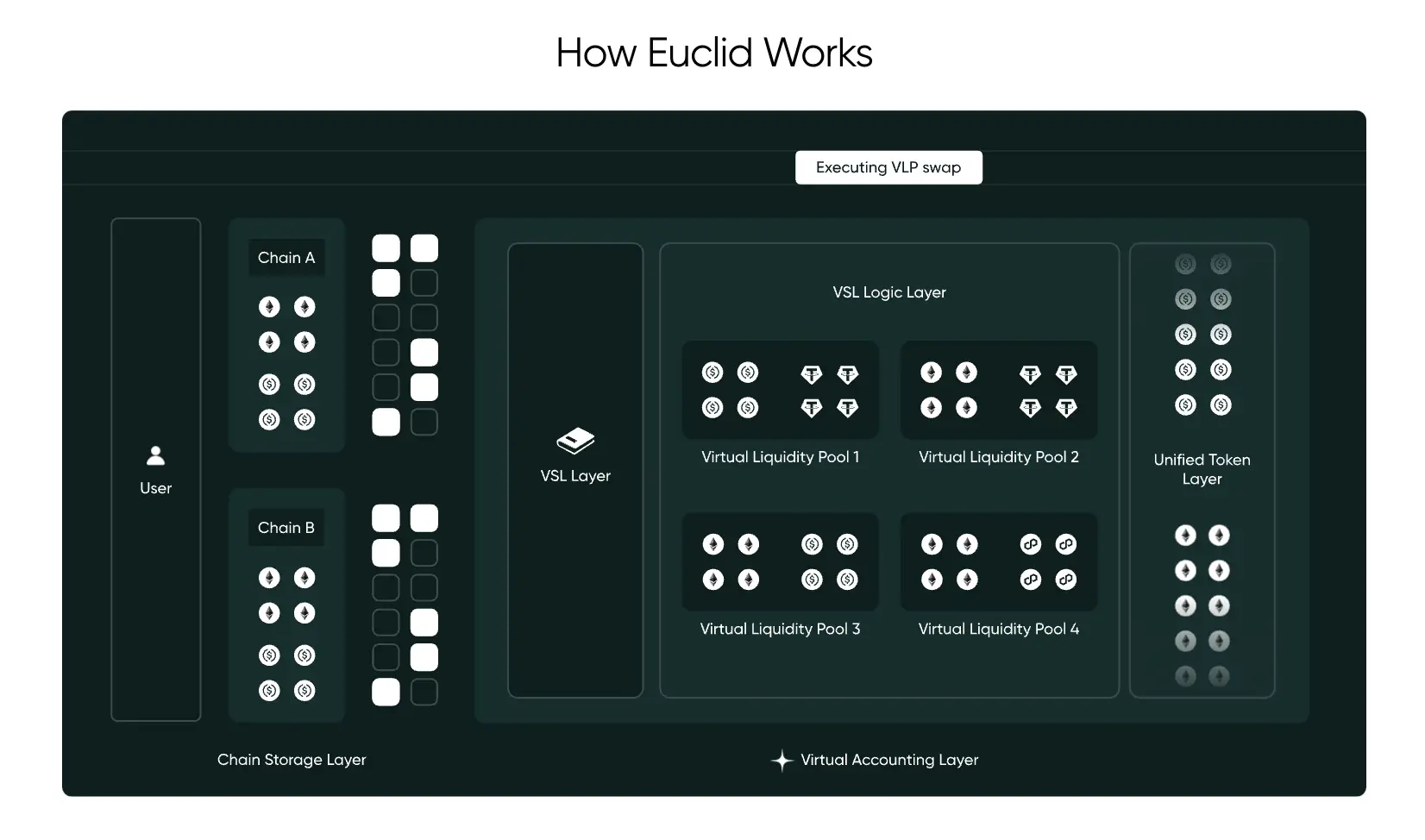
Third, Euclid Messaging Protocol (EMP): communication between on-chain pools and their virtual counterparts, built on top of IBC and designed to work beyond a single ecosystem.
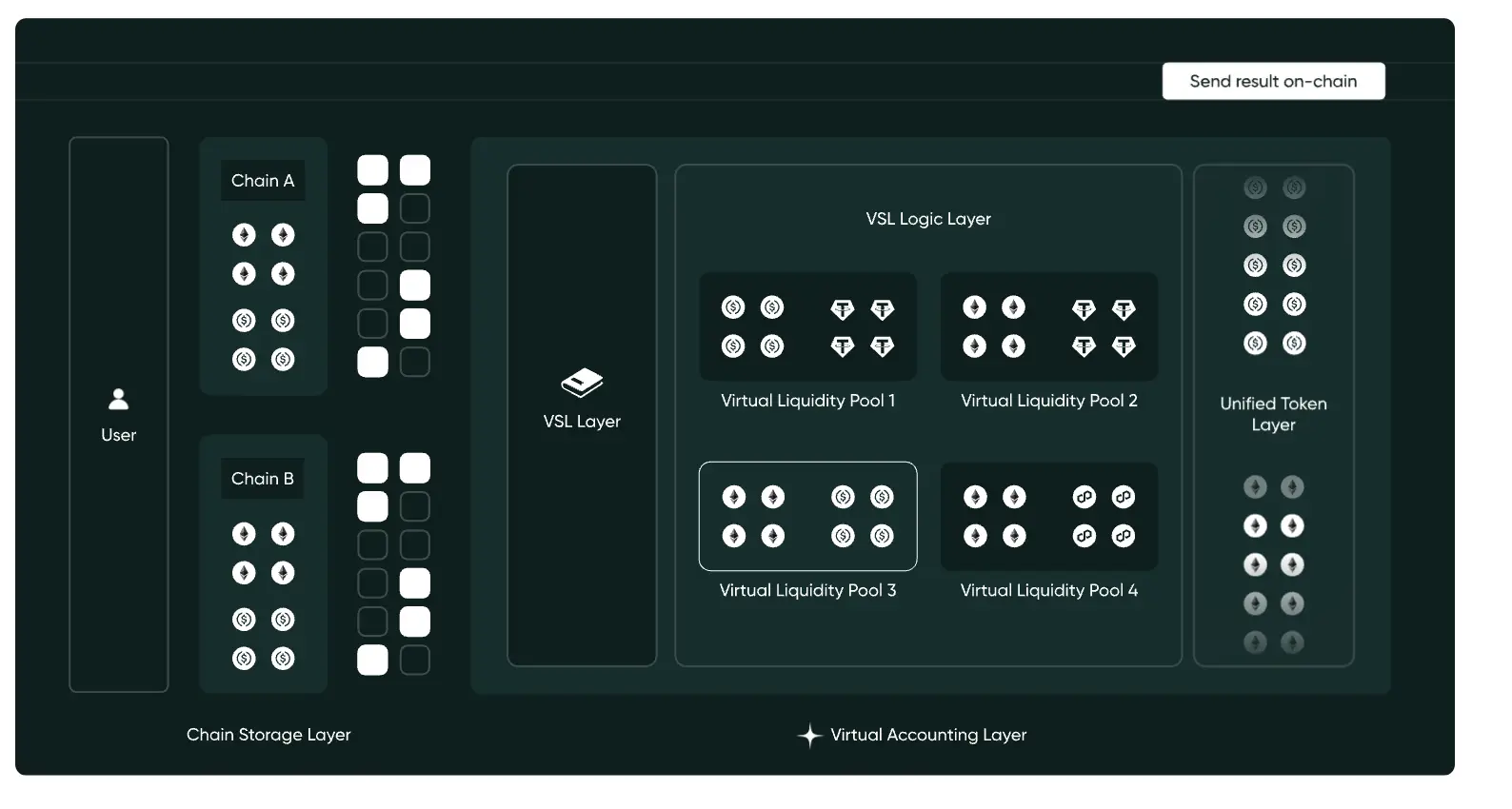
The result is support for gasless, signature-free swaps with sub-3-second settlements and high uptime, as well as the ability for projects to instantly launch tradable tokens on 40+ chains.
Read also:What is BSB Token? Understanding the Block Street (BSB) Ecosystem and Potential
Four Main Products
Euclid Swap It enables cross-chain trading while assets remain on their original network. Users can perform cross-chain swaps without having to switch wallets or pay bridge fees because settlement occurs virtually.
Euclid Launch Giving token creators direct access to a shared liquidity pool upon launch means platforms can launch once and avoid having to rebuild liquidity elsewhere. This solves one of the biggest challenges for new projects: the cold start problem of building liquidity.
Planet Euclid is the mission and reward layer of the protocol, where Passport holders interact with the ecosystem to earn incentives and participate in community programs.
Euclid Scan is a dedicated block explorer for monitoring cross-chain activity across the Euclid network.
Read also:FaucetPay.io: A Beginner's Guide and the Most Comprehensive List of Crypto Faucets
Latest Developments: Phase 2 Private Mainnet
Euclid Protocol launched the second phase of its private mainnet on March 10, 2026, working to validate the integrated market under real-world production conditions.
The first phase of the mainnet launched on February 24th for registered Passport holders with live transactions across the real network.
The platform recorded a baseline testnet of over 18 million transactions and 350,000 monthly active users.
Phase 2 runs Euclid Swap, Euclid Launch, and Planet Euclid simultaneously as a true stress test of the platform's depth and stability.
Euclid Protocol Funding and Team
Euclid Protocol is backed by KuCoin Ventures with a total of approximately $4.1 million in funding, including a $3.5 million seed round.
This project is positioned as a serious infrastructure that has the potential to become the foundation for cross-chain transfers and capital efficiency.
Euclid Passport and Access
Passport minting has been permanently closed at 155,000. However, access is still available through the secondary market. Passports serve as access tickets to Phase 2 of the mainnet and the Planet Euclid rewards program, and will likely play a role in the TGE distribution scheduled for H1 2026.
Conclusion
Euclid's TGE is scheduled for H1 2026, with the testnet already reaching over 1 million active wallets as a foundation for a community already established before the token launch.
How to Buy Crypto on Bittime?

Want to trade sell buy Bitcoins and crypto investment easily? Bittime is here to help! As an Indonesian crypto exchange officially registered with Bappebti, Bittime ensures every transaction is safe and fast.
Start with registration and identity verification, then make a minimum deposit of IDR 10,000. After that, you can immediately buy your favorite digital assets!
Check the exchange rate BTC to IDR, ETH to IDR, SOL to IDR and other crypto assets to find out today's crypto market trends in real-time on Bittime.
Also, visit the Bittime Blog for interesting updates and educational information about the crypto world. Find reliable articles about Web3, blockchain technology, and digital asset investment tips designed to enrich your crypto knowledge.
FAQ
What is Euclid Protocol?
Euclid is a unified liquidity layer that enables cross-chain trading of 40+ networks without bridges, with virtual settlement that preserves assets on the original chain.
What is the difference between Euclid and a regular bridge?
Euclid doesn't move assets between chains. Virtual Liquidity Pools pool liquidity virtually, allowing users to access the pool from any chain without bridging.
When is the Euclid Protocol TGE?
TGE is scheduled for H1 2026, with Passport as the access ticket whose minting has been permanently capped at 155,000 and is now only available on the secondary market.
What is Euclid Passport?
Passport is a Euclid ecosystem access NFT that grants access to Phase 2 of the mainnet, Planet Euclid rewards, and possible TGE distribution. Minting has closed at 155,000.
How big is the Euclid ecosystem currently?
Euclid recorded 18 million testnet transactions, 1.2 million connected wallets, and 350,000 monthly active users before the mainnet Phase 2 launch on March 10, 2026.
Disclaimer: The views expressed belong exclusively to the author and do not reflect the views of this platform. This platform and its affiliates disclaim any responsibility for the accuracy or suitability of the information provided. It is for informational purposes only and not intended as financial or investment advice.

.png)


