What is a Chainlink ETF? Meet GLNK, the first LINK ETF
2025-12-03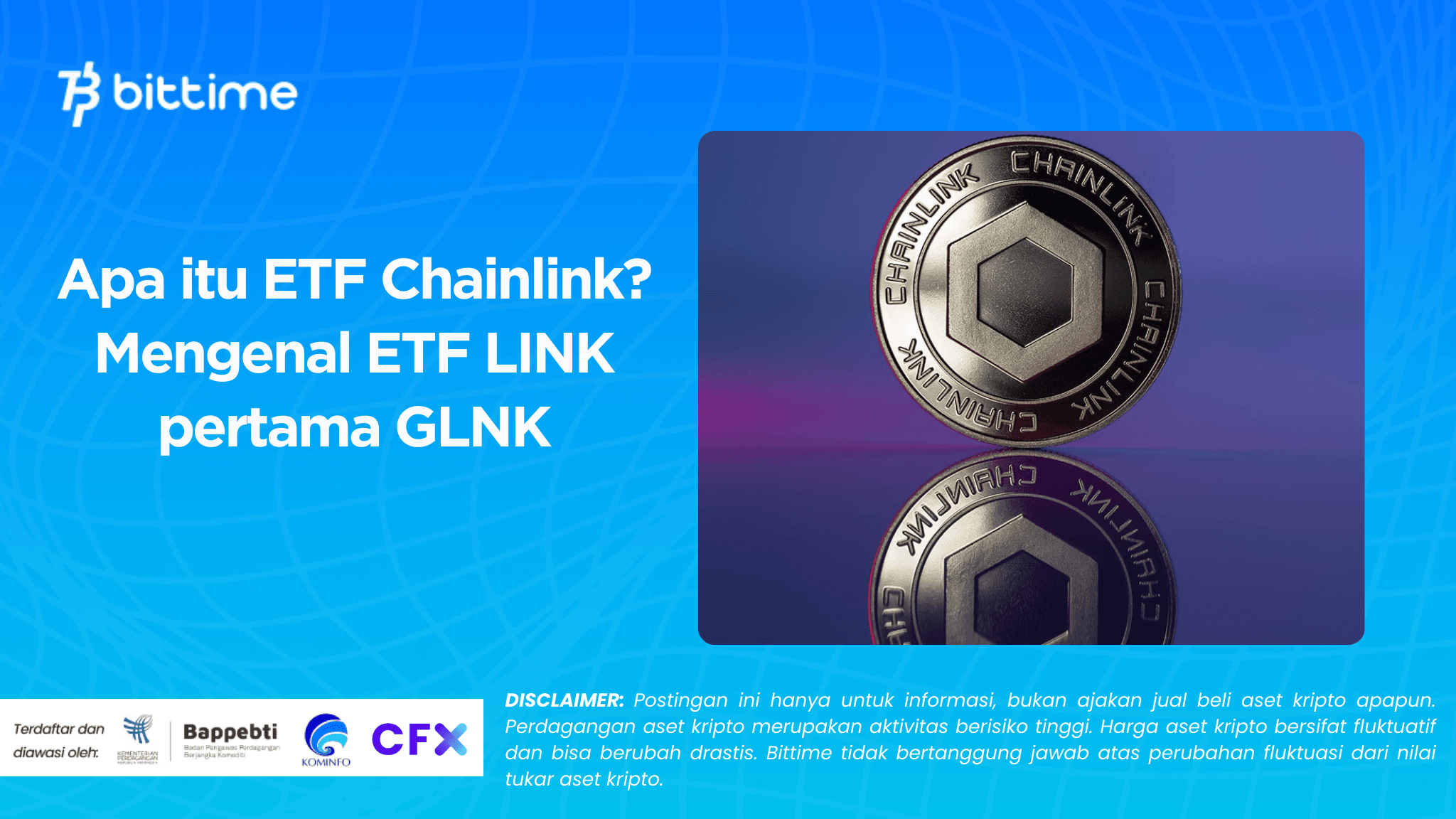
Grayscale launched GLNK, an ETF that provides exposure to Chainlink (LINK) tokens through traditional exchanges.
The terms “Chainlink ETF” and “Meet the first LINK ETF GLNK” emerged as entry points for investors looking to access Chainlink’s role as an on-chain data provider without directly holding the tokens.
The launch of GLNK marks a significant step in providing regulated access to blockchain infrastructure tools through a familiar investment vehicle.
What is GLNK and how does it work?
GLNK is an exchange-traded product (ETF/ETP) launched by Grayscale and will begin trading on NYSE Arca in early December 2025.
The fund holds LINK physically—meaning the GLNK share price is designed to follow the LINK spot price—but share ownership is not direct ownership of the token by investors.
GLNK is managed under a structure that is not registered under the Investment Company Act of 1940, so it does not have all the protections that apply to traditional 40-act ETFs.
The execution, custody, and share creation/redemption mechanisms follow the processes disclosed in the prospectus: the underlying assets are held by a selected custodian (e.g., an institutional-grade custodian exchange), and the shares are traded on the exchange like regular securities instruments.
Grayscale's reason for issuing a Chainlink ETF
The conversion of legacy Chainlink trusts into ETFs reflects several factors: growing regulatory acceptance of crypto spot ETPs through 2025, institutional demand for regulated access to infrastructure altcoins, and Chainlink's technical position as a widely used oracle provider for DeFi, NFTs, and enterprise applications.
Grayscale has operated the Chainlink Trust since 2021; converting it to an exchange-traded entity opens the product to retail and institutional investors previously reluctant to hold crypto tokens directly due to custody, compliance, and governance issues.
GLNK key features — fees, staking, and risks
The GLNK prospectus mentions several key points: management fees and expense ratios, which affect net returns; the possibility of managing LINK staking returns if regulations permit; and liquidity limitations due to this being a concentrated single-asset product.
Risks include LINK price volatility, custodian risk, and regulatory risk as GLNK is not a 40-act ETF.
Another difference: GLNK performance may not be identical to LINK spot price after accounting for fees, slippage, and creation/redemption procedures.
Investors should understand that GLNK provides the convenience of trading through traditional brokers but still carries the risks of the crypto market.
The impact of GLNK's launch on the Chainlink market and crypto ETFs
GLNK's listing is expected to boost LINK's liquidity and visibility among traditional investors. Historically, spot ETP listings for crypto assets have the potential to increase institutional capital inflows and influence short-term volatility.
Additionally, competition between asset managers (e.g., Bitwise and others) for similar products could lower costs and expand product variety (e.g., staking-enabled versions or versions that include yield).
However, the long-term impact on prices depends on the adoption of Chainlink technology, the use of oracles, and macro-regulatory conditions.
How can investors access it and what should they pay attention to?
Investors who wish to expose themselves to LINK via GLNK can purchase it through a broker that provides access to NYSE Arca, under the ticker GLNK.
Consider practical matters: compare expense ratios with alternatives (direct LINK ownership through an exchange, previous OTC trusts), pay attention to spreads and trading volumes, as well as custodial status and redemption procedures.
For institutional investors, compliance, accounting, and internal policies related to asset allocation should also be evaluated. Always consult the GLNK prospectus for operational and risk details.
Conclusion
GLNK marks a milestone: a listed product that provides centralized exposure to Chainlink through traditional capital markets.
It offers ease of trading and the potential for increased institutional adoption, but still carries typical crypto risks and regulatory limitations that need to be understood.
For investors seeking exposure to oracle infrastructure without managing private keys, GLNK is a relevant option — provided they understand the fees, structure, and inherent risks.
FAQ
How is GLNK different from buying LINK directly on a crypto exchange?
GLNK is traded as a security on a stock exchange; purchasing LINK directly means ownership of the tokens in a wallet. GLNK eliminates the need for personal custody but increases the expense ratio and potential mismatch in performance after fees.
Does GLNK share LINK staking results with shareholders?
The prospectus states that a staking mechanism may be implemented if regulations permit; the details of the distribution of staking proceeds—whether shared, reinvested, or used for expenses—depend on the fund's policies and legal requirements.
How does GLNK's liquidity compare to other ETFs?
Initial liquidity depends on market interest and market makers. New single-asset products often have wider spreads in the early days than large, established ETFs.
Is GLNK safe from regulatory risks?
Not entirely; GLNK operates under securities regulations and is subject to oversight, but the crypto regulatory landscape is constantly changing, so regulatory risks remain.
Can the GLNK price differ significantly from the LINK spot price?
Yes. Differences can arise due to fees, slippage, creation/redemption timing, and differences in liquidity demand on stock exchanges versus the crypto spot market.
How to Buy Crypto on Bittime
Want to trade sell buy Bitcoins and crypto investment easily? Bittime is here to help! As an Indonesian crypto exchange officially registered with Bappebti, Bittime ensures every transaction is safe and fast.
Start with registration and identity verification, then make a minimum deposit of IDR 10,000. After that, you can immediately buy your favorite digital assets!
Check the exchange rate BTC to IDR, ETH to IDR, SOL to IDR and other crypto assets to find out today's crypto market trends in real-time on Bittime.
Also, visit the Bittime Blog for interesting updates and educational information about the crypto world. Find reliable articles about Web3, blockchain technology, and digital asset investment tips designed to enrich your crypto knowledge.
Disclaimer: The views expressed belong exclusively to the author and do not reflect the views of this platform. This platform and its affiliates disclaim any responsibility for the accuracy or suitability of the information provided. It is for informational purposes only and not intended as financial or investment advice.
.png)