What is CUDIS? The Complete Guide to CUDIS Coin and DePIN for Wellness
2025-12-12
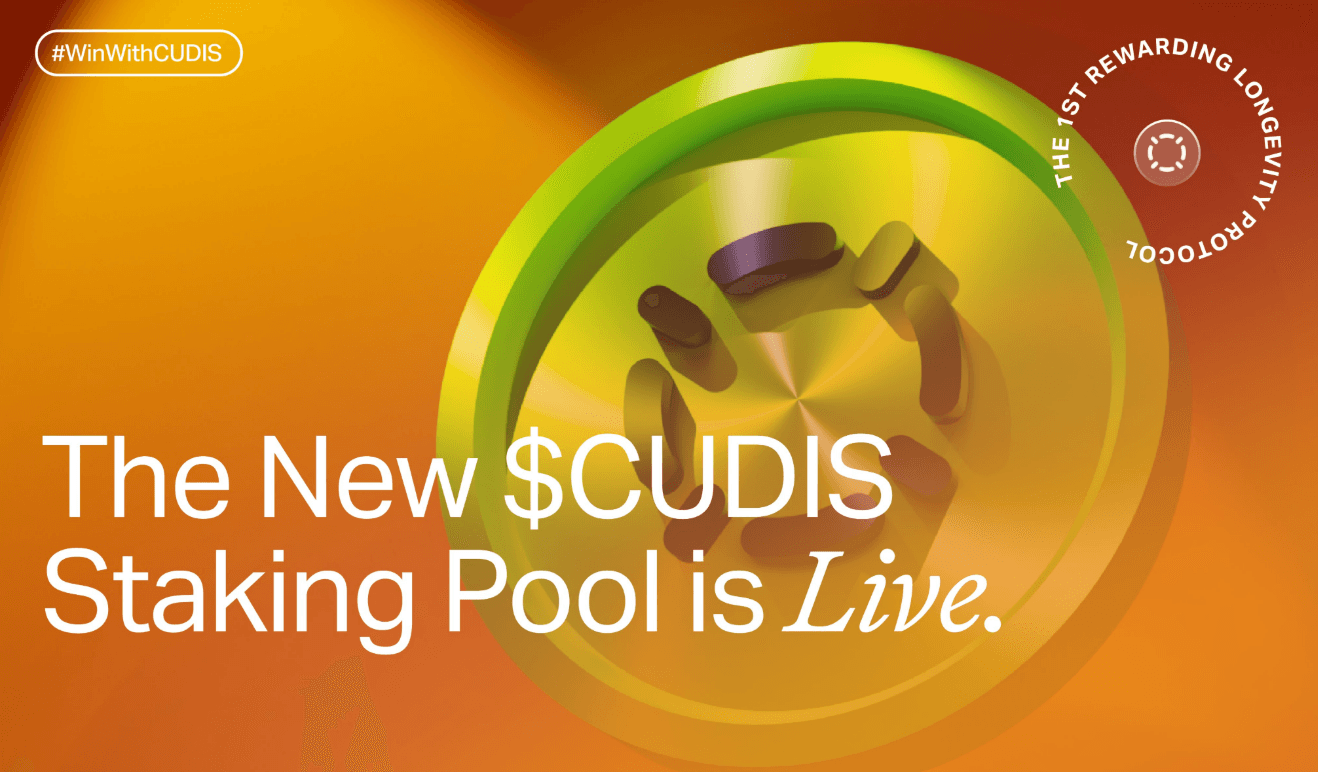
Bittime - CUDIS coin is a digital wellness project that combines wearables, biometric data, and the DePIN network in one ecosystem.
Two key keywords such as CUDIS coin and CUDIS DePIN appear side by side because they work together to ensure that health data is no longer locked up in closed servers, but can provide direct benefits to its owners.
This approach gives rise to a new way of understanding the body: data is not just numbers, but an asset that can provide economic value.
What is CUDIS?
CUDIS is a platform that focuses on longevity and health monitoring through a device called the Cudis Ring.
This small device measures various vital indicators, such as heart rate, sleep quality, heart rate variability, oxygen saturation, and even daily stress patterns. This data is presented through an artificial intelligence-powered app, allowing users to view their physical condition in real time.
In addition to health monitoring, CUDIS gives users the option to contribute to medical research, AI learning models, and health analytics projects. When anonymized data is used by third parties, CUDIS tokens are rewarded to the data owner.
This mechanism creates a much more transparent relationship between users and the health tech industry as data owners directly benefit from their contributions.
How DePIN Works in the CUDIS Ecosystem
DePIN or Decentralized Physical Infrastructure Network allows physical devices to become part of a decentralized network.
In the CUDIS ecosystem, smart rings act as data sources that interact with the blockchain-based system. Each device becomes a node, producing biometric data and validating its contribution to the network.
This process ensures that biometric data is treated as an asset that its owner can control. When the data is used for research, AI modeling, or analytics, users receive rewards.
The DePIN network used by CUDIS emphasizes transparency, anonymization, and measurement integrity so that data use remains secure.
This approach addresses a long-standing problem in the digital health sector: data centralization by companies. CUDIS chooses a model that gives data owners full control while supporting the broader research ecosystem.
CUDIS Tokenomics: An Incentive Structure Based on Official Data
The distribution of CUDIS tokens is designed to ensure the ecosystem remains stable while providing ample space for users.
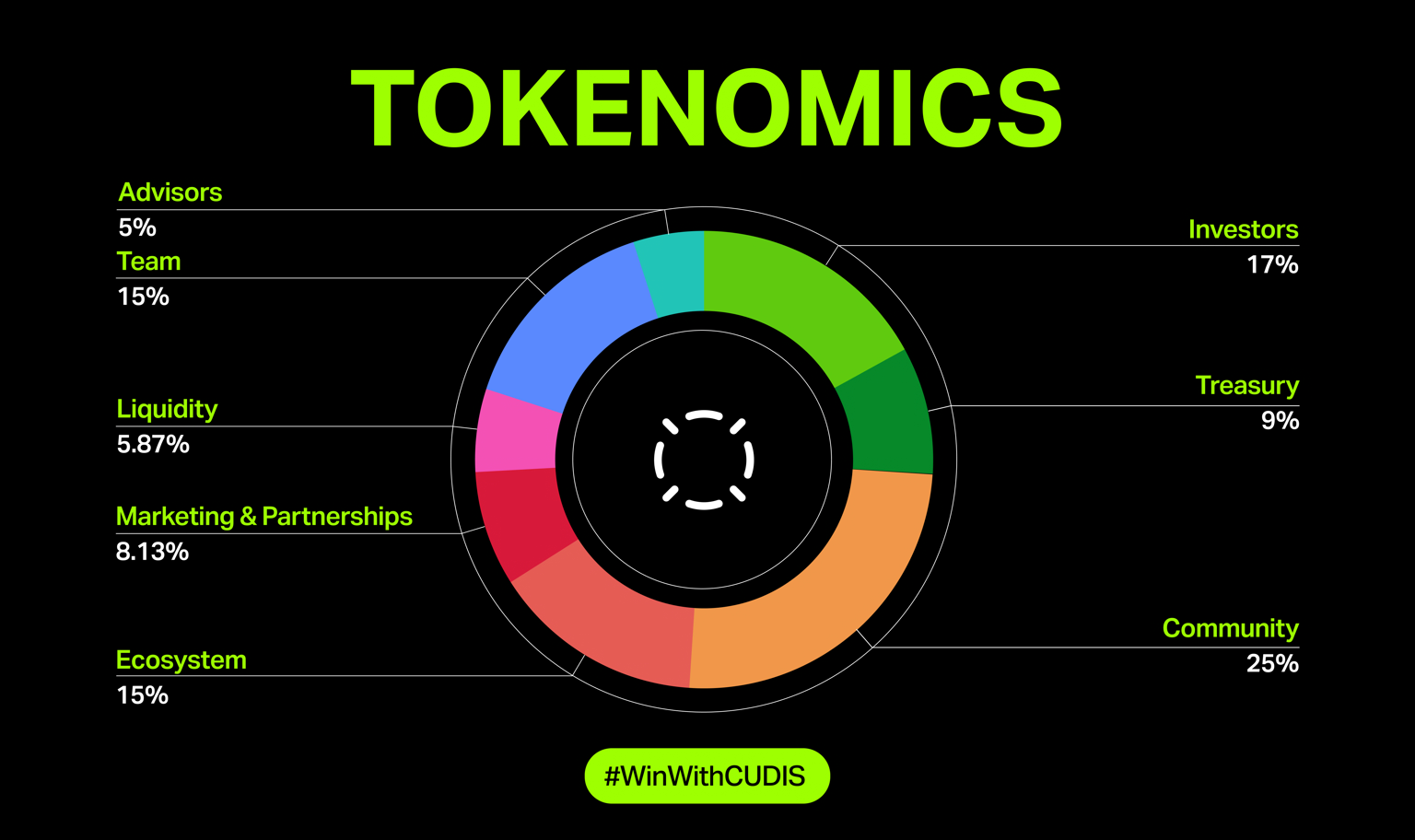
According to the official diagram, 25 percent of the supply is allocated to the community. This portion serves as the primary incentive for smart ring owners, health program participants, and data contributors to the DePIN network.
Investors hold 17 percent of the total supply, supporting device funding, research, and application development. The core team holds 15 percent, reflecting the long-term development needs of the project, which combines hardware and biometric analytics.
The ecosystem also receives 15 percent to support integration, research, and service expansion. The Treasury manages 9 percent to maintain the project's long-term stability.
Marketing and partnerships receive 8.13 percent, which is used for education, user expansion, and healthcare industry collaboration. Meanwhile, liquidity receives 5.87 percent to ensure smooth token trading on the exchange. Advisors receive 5 percent as compensation for strategic support.
This structure strikes a balance between community growth, project sustainability, and distribution transparency. This combination strengthens the CUDIS economic model, which relies on physical device participation and biometric data contributions.
Real Products: Cudis Ring, Mobile App, and Integration
The Cudis Ring is at the center of the user experience. Its lightweight design is designed for all-day comfort.
The sensors inside measure numerous health parameters and connect directly to the CUDIS app. The app then displays the data in a simple, easy-to-understand format.
Users can view daily health trends, receive AI-based recommendations, and access sleep improvement or stress reduction programs. The app also serves as a central point for token management, thanks to its built-in digital wallet.
A data marketplace is available for users who want to participate in curated research with anonymity.
This integrated approach demonstrates that CUDIS is not just releasing a wearable device, but creating a wellness ecosystem that brings together biometric data, blockchain technology, and financial incentives.
Privacy Challenges and Aspects
The digital health sector faces significant privacy challenges. Biometric data is sensitive, so models like CUDIS must include robust encryption, access control mechanisms, and user deletion options.
Additionally, health regulations may change and impact how companies manage data.
The quality of hardware measurements is also a critical concern. Sensor accuracy determines the value of data, while the integrity of the blockchain network determines the security of storage.
The combination of DePIN devices, applications, and infrastructure makes technical challenges a crucial part of the CUDIS journey.
User trust is a key factor in determining a project's success. If privacy and security mechanisms are well-functioning, CUDIS could become an attractive solution in the health data economy.
Conclusion
CUDIS introduces a new approach to health data by making users both owners and beneficiaries of the data they generate. Smart rings, AI-powered apps, and the DePIN network create an ecosystem that brings together wellness, research, and the token economy.
Challenges remain, particularly in regulation and security. But CUDIS demonstrates a new possibility in the health tech sector: biometric data can work for its owners, not just for companies.
FAQ
What is the main function of CUDIS coin?
Tokens are used for rewards, access to health analytics, research participation, and ecosystem governance.
How do users get tokens?
Users earn tokens through data contributions, health activities, or participating in in-app programs.
Is health data safe?
CUDIS uses encryption, anonymization processes, and access control so that data is only used according to user permission.
Is it mandatory to use a smart ring?
Smart rings become the primary source of biometric data to generate rewards and contribute to the network.
Is CUDIS token suitable for investment?
Tokens carry risks like any other digital asset. Value is influenced by device adoption, data usage, and ecosystem development.
How to Buy Crypto on Bittime

Want to trade sell buy Bitcoins and crypto investment easily? Bittime is here to help! As an Indonesian crypto exchange officially registered with Bappebti, Bittime ensures every transaction is safe and fast.
Start with registration and identity verification, then make a minimum deposit of IDR 10,000. After that, you can immediately buy your favorite digital assets!
Check the exchange rate BTC to IDR, ETH to IDR, SOL to IDR and other crypto assets to find out today's crypto market trends in real-time on Bittime.
Also, visit the Bittime Blog for interesting updates and educational information about the crypto world. Find reliable articles about Web3, blockchain technology, and digital asset investment tips designed to enrich your crypto knowledge.
Disclaimer: The views expressed belong exclusively to the author and do not reflect the views of this platform. This platform and its affiliates disclaim any responsibility for the accuracy or suitability of the information provided. It is for informational purposes only and not intended as financial or investment advice.

.png)