What Is USDS? The DAI Rebranding You Need to Know
2026-04-21
USDS is widely discussed because many people think the asset is simply a renamed version of the DAI token. In fact, USDS is more accurately understood as the successor stablecoin and upgraded version within the Sky ecosystem, with additional functions, conversion routes, and a broader product direction.
Questions about whether it is safe or not are also natural. The reason is simple: USDS carries the legacy of DAI, which has long been known, but it also comes with an upgradeable contract structure and possible new features that need to be understood first before use.
Key Takeaways:
- USDS is a stablecoin from the Sky ecosystem that emerged from the DAI upgrade and rebranding process, not merely from changing the ticker.
- DAI can be converted to USDS 1:1 in both directions, so DAI holders are not automatically forced to move permanently.
- USDS has fairly clear public documentation regarding its product and platform model, but peg, governance, and smart contract risks still need to be understood.
Register on Bittime now and start trading crypto with a fast, secure, and easy process in the app.
What Is USDS and Why Is It Being Widely Discussed?
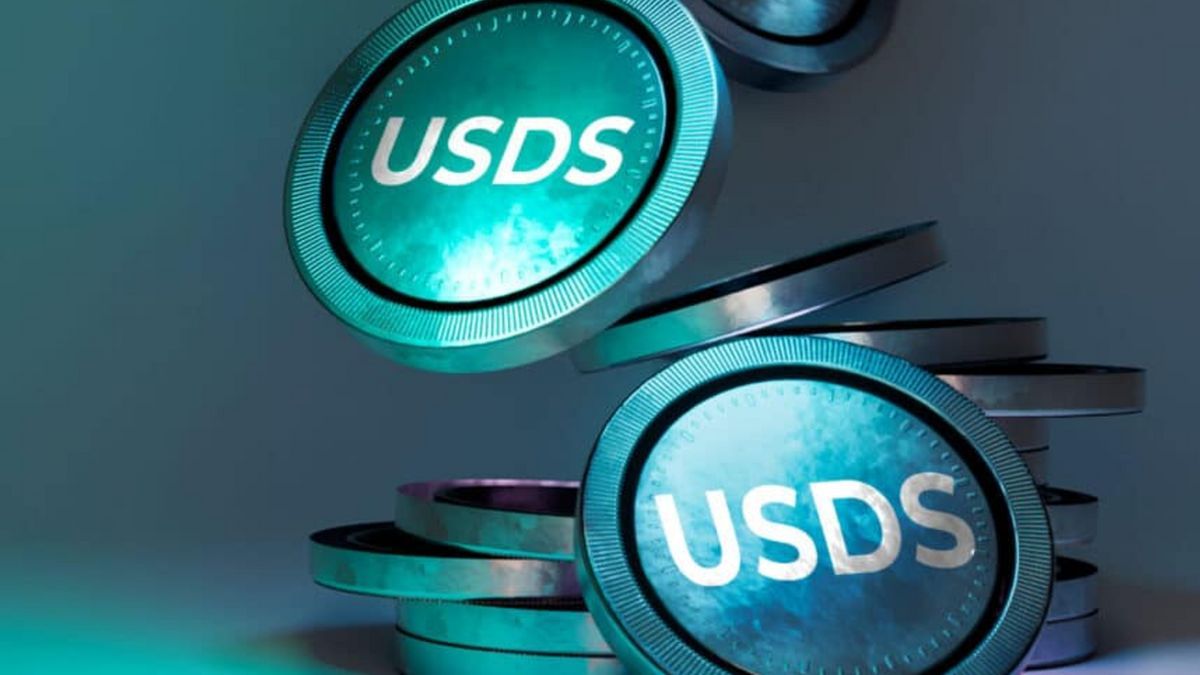
USDS is a stablecoin from Sky Protocol designed to maintain a value close to 1 US dollar. In the context of the Sky ecosystem, USDS is positioned as a decentralized stablecoin backed by collateral, while also serving as the successor to DAI.
Put simply, what is USDS? The answer is that it is a stablecoin for transactions, storing value, and DeFi activities in the Sky ecosystem. Because USDS is closely related to the transition from DAI, readers should check the token contract and chain before transacting.
What is USDS in practice?
In practice, USDS crypto is used like other stablecoins, namely for parking funds, moving between protocols, or entering derivative products such as sUSDS.
Sky also explains that USDS can be used in various yield features and vaults, while its interface is non-custodial, meaning users remain in control of their own wallets.
How large is USDS now?
USDS moves very close to US$1 and belongs to the group of major stablecoins, not a small newly launched project. For traders and investors, that kind of scale makes USDS more relevant to monitor than stablecoins with thin liquidity.
Read Also: Join the Bittime Futures Public Beta Waitlist and Get Trial Fund Rewards up to 1500 USDT
USDS vs DAI: What Changed?
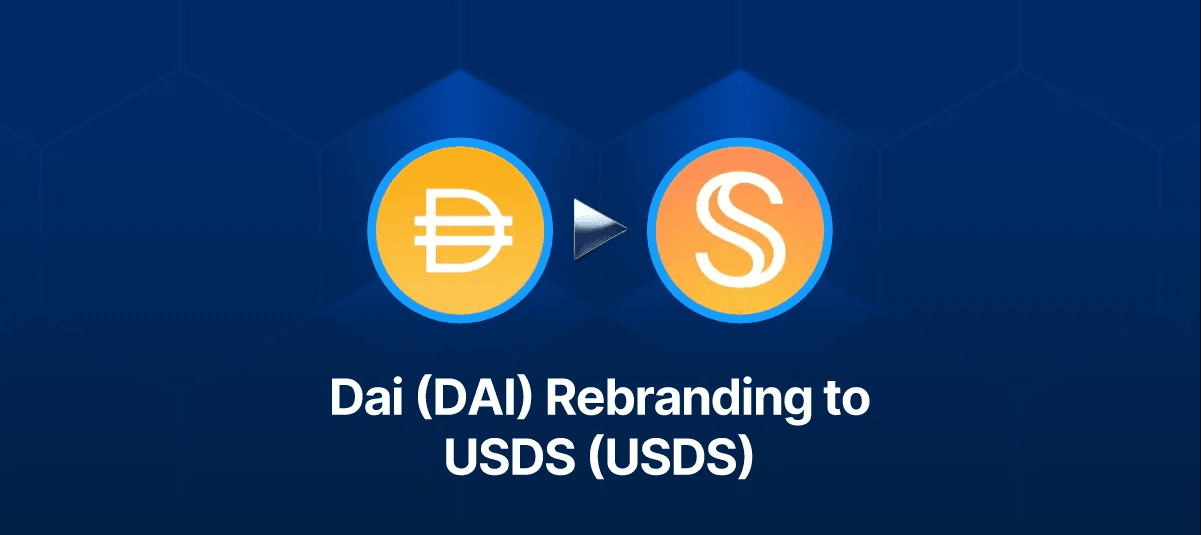
The most important part of the USDS vs DAI topic is understanding that the change is not just about the name. In the announced transition path, DAI can be converted to USDS in both directions at a 1:1 ratio, so DAI holders still have flexibility.
This means the DAI rebranding is more accurately read as an ecosystem upgrade path. DAI remains relevant during the transition period because two-way conversion is still available, so moving from DAI to USDS is not a one-way step that cuts off the way back.
What is the main difference between USDS and DAI?
The most notable difference lies in the product design. USDS was developed to connect more closely with the Sky ecosystem, including access to the Sky Savings Rate through sUSDS, reward integration, and a contract structure prepared to evolve through governance.
For general readers, the simple meaning is that USDS offers greater flexibility than classic DAI. However, the other side of that flexibility is the emergence of discussions about control, governance, and policy changes in the future.
Read Also: Convert 1 USDS to IDR
USDS Stablecoin and How Does It Work?
USDS is a stablecoin backed by collateral and maintained to stay close to 1 US dollar.
Such a system works through over-collateralization, meaning the collateral value is made higher than the amount of stablecoin in circulation, while the risk parameters are managed through protocol governance.
For beginners, the easiest explanation is this: when users deposit certain assets into a vault, the protocol can mint stablecoins as long as the collateral requirements are met. If the collateral value falls too far, automatic liquidation can occur to protect the system.
Sky Protocol USDS and its derivative products
Sky offers ways to use USDS through sUSDS, vaults, and several reward features. Even so, returns or yield are variable and should not be considered guaranteed, because the value can change according to governance decisions and protocol conditions.
Is USDS safe?
The neutral answer is that USDS has a fairly clear public foundation, but it is still not a risk-free asset. The risks that need to be understood include peg or price stability, governance, liquidity, self-custody, and liquidation at the protocol level.
Therefore, the stablecoin label should not immediately be interpreted as absolute safety. Beginners still need to understand how the protocol works before using it or storing large amounts of funds in it.
Read Also: Bittime Airdrop: Opening Opportunities for New Crypto Users
Who Is USDS Suitable For?
USDS is suitable for users who need a DeFi-based stablecoin and want to connect to the Sky ecosystem.
For traders and investors, the asset is attractive because it stays close to the dollar value and has broader utility than just being a transfer tool, especially for those who want to explore sUSDS or other features in Sky.
Even so, beginners still need to be careful. It is best to directly verify the token contract, the chain being used, the conversion route, and governance risks before buying or swapping DAI to USDS.
That step is important because the stablecoin label often makes people feel safe too quickly.
Conclusion
USDS is the successor stablecoin to DAI in the Sky ecosystem, with a more modern model and connections to features such as sUSDS, vaults, and governance-based rewards.
However, the USDS stablecoin is not merely a cosmetic rebranding, because there are changes in product design, contract structure, and ecosystem direction that need to be understood before using it.
If you are interested, focus on verifying the contract, understand USDS vs DAI, then decide according to your own needs and risk profile.
How to Buy Crypto on Bittime?

Want to trade and sell buy Bitcoin and invest in crypto easily? Bittime is ready to help! As an Indonesian crypto exchange officially registered with OJK, Bittime ensures every transaction is safe and fast.
Start by registering and verifying your identity, then make a minimum deposit of Rp10,000. After that, you can immediately buy your favorite digital assets!
Check the BTC to IDR exchange rate, ETH to IDR, SOL to IDR and other crypto assets to find out today's crypto market trends in real time on Bittime.
In addition, visit the Bittime Blog to get various interesting updates and educational information about the crypto world. Find trusted articles about Web3, blockchain technology, and digital asset investment tips designed to enrich your knowledge in the crypto space.
FAQ
What is USDS?
USDS is a stablecoin from the Sky ecosystem designed to maintain a value close to 1 US dollar and serve as the successor to DAI in Sky’s upgrade path.
USDS vs DAI, what is the difference?
The main differences lie in the ecosystem branding, Sky product integration, and the upgradeable contract structure of USDS. DAI and USDS can also be converted both ways at a 1:1 ratio.
Does DAI have to be changed to USDS?
It is not permanently required, because the public conversion route shows that DAI and USDS can be moved in both directions at a 1:1 ratio.
Is USDS safe for beginners?
Not necessarily suitable for all beginners. Although the documentation is fairly clear, there are still peg, governance, self-custody, and liquidation risks that need to be understood first.
How do you get USDS?
In general, USDS can be obtained by upgrading DAI to USDS, converting USDC to USDS through certain routes, or buying it on supported markets. It is best to verify the chain and token contract directly before making a transaction.
Disclaimer: The views expressed belong exclusively to the author and do not reflect the views of this platform. This platform and its affiliates disclaim any responsibility for the accuracy or suitability of the information provided. It is for informational purposes only and not intended as financial or investment advice.

.png)