Thailand Prepares Crypto ETF, Bitcoin and Ethereum Become Initial Choices
2026-08-27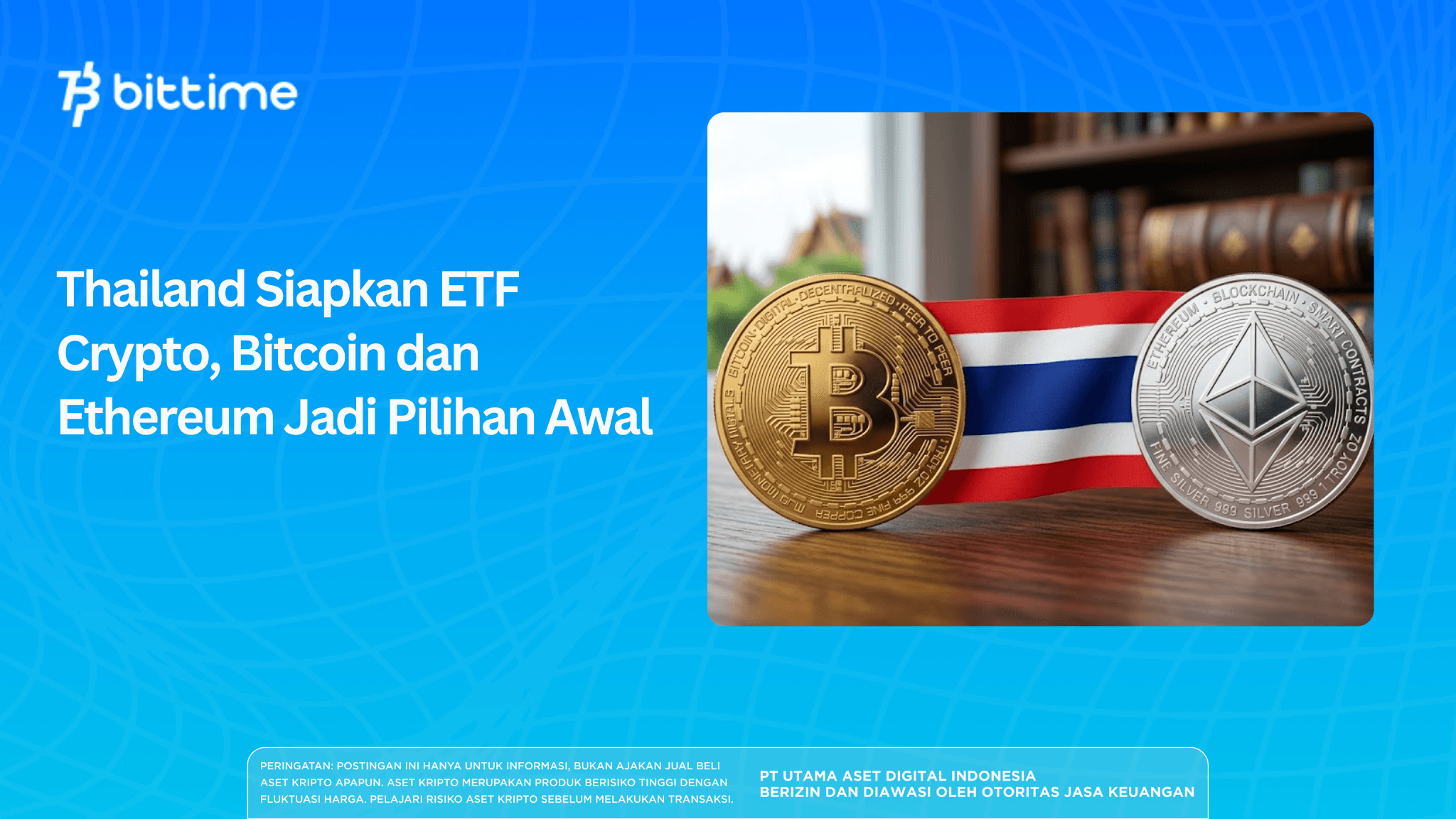
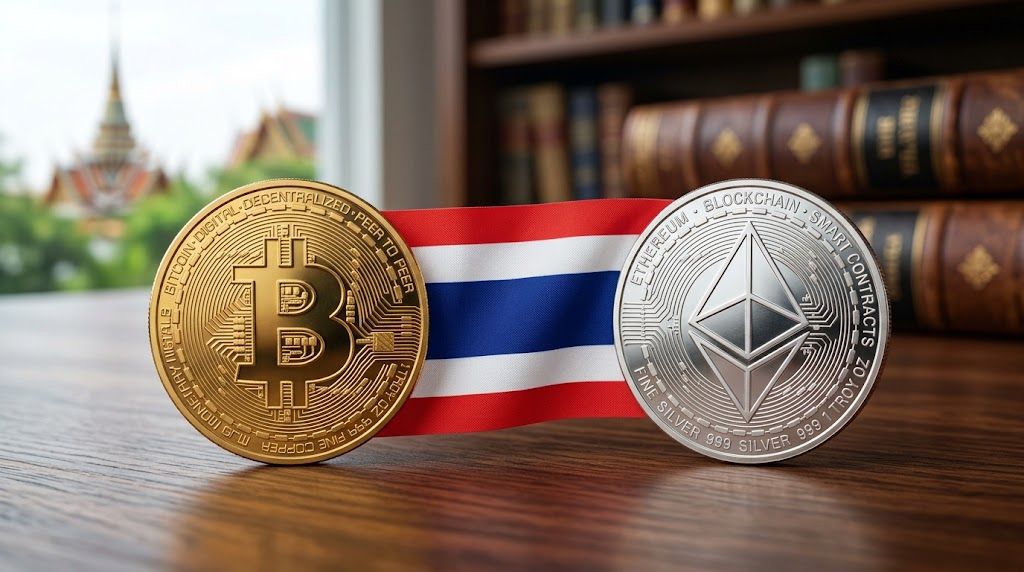
Thailand's stock exchange may soon have a more formal crypto investment channel. Thailand's SEC opened a public consultation on the draft crypto ETF rules for Thailand, with Bitcoin and Ethereum as the first two digital assets considered for local products.
This step does not mean that a Thailand Bitcoin ETF and Thailand Ethereum ETF are already available for purchase. The draft rules are still open for public input until September 20, 2026, before the regulator determines the final policy format and product approval process.
Key Takeaways
- Thailand's SEC opened a public consultation on local crypto ETF rules until September 20, 2026.
- Bitcoin and Ethereum are the two initial assets that can form the basis of Thailand's crypto ETFs.
- ETFs are required to maintain an average minimum exposure of 80% to the tracked digital asset.
Thailand SEC Prepares Crypto ETF Rules
Thailand's SEC opened two public consultations to establish an investment framework for digital assets in the local capital market. According to Cointelegraph, one document regulates the issuance and management of Thailand crypto ETFs, while another addresses foreign digital asset custodian requirements for mutual funds and private funds.
In the initial phase, the proposed underlying assets for the ETF are only Bitcoin and Ethereum. Each product will use a passive strategy and focus on a single digital asset, meaning a Bitcoin ETF tracks BTC's price, while an Ethereum ETF tracks ETH's price.
ETFs issued later are proposed to be listed and traded on the Stock Exchange of Thailand (SET). This rule would create an investment channel more akin to conventional capital market products for investors seeking exposure to crypto assets.
A key provision in the draft is the asset exposure limit. According to Cointelegraph, ETFs must maintain an average minimum of 80% of their annual Net Asset Value (NAV) in the Bitcoin or Ethereum that serves as the product's underlying asset.
This provision aims to ensure consistency between the name, strategy, and exposure of the ETF. A Bitcoin ETF cannot divert most of its funds to other assets when market conditions change, because the bulk of its portfolio value must still track Bitcoin.
Follow the developments of Bitcoin, Ethereum, and global digital asset regulation by creating an account at Bittime.
Local Custodians Become the Primary Choice
Custody regulations are an important part of Thailand's digital asset ETF plan. In the initial phase, Thailand's SEC prioritizes the use of digital asset custodians located domestically.
According to The Asian Banker, the regulator is still open to the possibility of using foreign custodians. However, this option can only be used if Thailand's SEC deems it necessary and the provider meets the established requirements.
Foreign custodians must be under the supervision of an authority with adequate legal authority and regulatory systems. Thailand's SEC also needs to assess the level of investor asset protection provided by the service provider.
This policy can increase regulatory control over the custody of assets underlying the ETF. The use of local custodians can also strengthen the domestic ecosystem, including storage service providers, auditing, cybersecurity, and digital asset compliance.
However, this approach also presents challenges. The choice of local custodians may be more limited in the early stages, while ETF issuers may face higher operational costs and technical requirements to manage crypto assets with institutional security standards.
Read Also: Nvidia's $500 Billion AI Funding, Are AI Crypto Tokens Benefiting?
What is the Impact on the Thai Crypto Market?
Crypto ETFs can serve as a bridge between traditional investment systems and digital assets. Such products allow investors to gain exposure to the price of Bitcoin or Ethereum through instruments traded on the local stock exchange.
These draft rules also create opportunities for Thai asset managers to issue local products. Before the new policy was proposed, Thai mutual funds and private funds could gain crypto asset exposure through foreign ETFs, subject to applicable investment limits. According to Cointelegraph, the new rules will open a channel for products domiciled in Thailand.
Some potential impacts of this framework include:
- Investors can gain exposure to Bitcoin or Ethereum through local ETFs supervised by Thai regulators.
- Investment managers, custodians, and local crypto infrastructure providers gain new markets.
- The SET can expand its investment product offerings based on digital assets.
- Thailand has the potential to strengthen its position as a digital asset industry hub in Southeast Asia.
However, the public consultation stage means the details of the rules may still change. Thailand's SEC still needs to assess industry responses, revise the draft if necessary, and issue final regulations before Bitcoin or Ethereum ETFs can actually enter the market.
Read Also: Tokenized Stocks vs Regular Stocks: Definition, Differences, and How to Buy
Thailand Bitcoin ETF Not Officially Launched Yet
The difference between regulatory consultation and product approval needs to be understood by investors. Currently, Thailand's SEC has not announced approval for a spot Bitcoin or Ethereum ETF that can be publicly traded.
Cryptopolitan reports that the process still requires at least the stages of evaluating public input, revising provisions, and establishing official rules. The consultation for the draft rules is open until September 20, 2026.
Investors also need to note that the initial draft limits products to Bitcoin and Ethereum. Products like a Solana ETF, XRP ETF, or other altcoin ETFs are not yet included in the first-phase framework being consulted.
This Thailand crypto ETF framework could become a significant step if ultimately passed. However, investor interest will still be influenced by management fees, product liquidity, custody security, pricing methods, and competitiveness against direct crypto purchases or foreign ETFs.
Read Also: 10 Free Bitcoin Mining and Faucet Sites 2026, Which Ones are Legit?
Conclusion
Thailand is preparing crypto ETF rules with Bitcoin and Ethereum as initial assets. Thailand's SEC draft mandates an average minimum exposure of 80% to the underlying asset and prioritizes local custodians, but a Thailand Bitcoin ETF or Thailand Ethereum ETF has not yet been officially approved or traded.
Check prices for Bitcoin (BTC), Ethereum (ETH), XRP, Solana (SOL), GRAM, and BNB, as well as leading memecoin DOGE. You can trade directly on Bittime!
Bittime is a licensed Digital Financial Asset Trader (PAKD) platform regulated by the Financial Services Authority — where you can buy Bitcoin in Indonesia and hundreds of other crypto assets starting from Rp10,000. The registration process is fast, secure, and can be started today.
Monitor USDT to IDR conversion and real-time price movements of your favorite crypto assets. All available in one crypto investment app that can be downloaded for free on the Play Store.
Ready to start? Register now on Bittime and execute your investment strategy with a platform trusted by millions of users in Indonesia.
FAQ
Has Thailand approved a Bitcoin ETF?
Not yet. Thailand's SEC is still opening a public consultation on the draft crypto ETF rules until September 20, 2026.
Which crypto assets can form the basis of a Thailand ETF?
In the initial draft, the proposed assets are only Bitcoin and Ethereum. Each ETF is designed to passively track a single digital asset.
What does the minimum 80% exposure rule mean?
ETFs are required to maintain an average of at least 80% of their annual NAV in the Bitcoin or Ethereum they track. This rule helps ensure the product remains aligned with its investment objective.
Where will Thailand's crypto ETFs be traded?
The draft rules propose that Thailand's crypto ETFs be traded on the Stock Exchange of Thailand (SET). This provision is still awaiting finalization.
Can foreign custodians be used?
Yes, under certain conditions. According to The Asian Banker, Thailand's SEC may allow foreign custodians if necessary and the provider meets applicable regulatory and asset protection standards.
Disclaimer: The views expressed belong exclusively to the author and do not reflect the views of this platform. This platform and its affiliates disclaim any responsibility for the accuracy or suitability of the information provided. It is for informational purposes only and not intended as financial or investment advice.

.png)