FIFA Hacked, Hackers Claim to Have Stolen 12GB of Data: What Was Leaked?
2026-11-27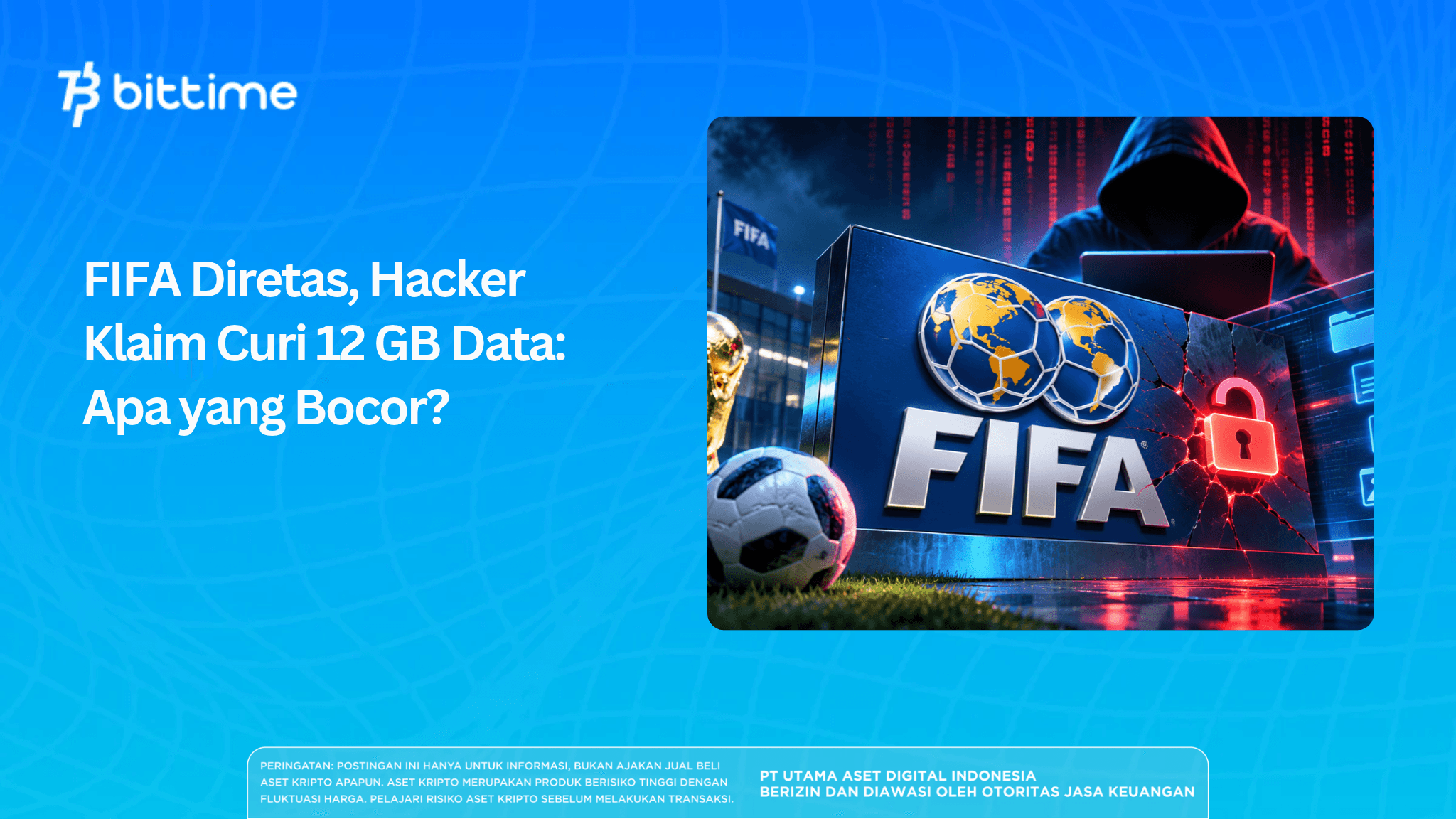
The FIFA hacking incident has drawn attention across the football world after the federation confirmed a cyberattack on Thursday, November 26, 2026. The incident resulted in unauthorized access to certain personal and business information.
A hacker group called Handsome Boy Hacking Club (HBHC) claimed responsibility for the attack and alleged that it had stolen more than 12 GB of sensitive data. Although FIFA has confirmed the breach, questions remain about the extent of the data leak and the types of documents stolen.
Key Takeaways
- FIFA confirmed a cyberattack that resulted in unauthorized access to personal and business information.
- Handsome Boy Hacking Club claims to have stolen more than 12 GB of data, but the amount has not been independently verified.
- The exposure of sensitive information could lead to identity theft, phishing, and the misuse of digital accounts.
FIFA Hacked: Timeline of the November 2026 Cyberattack
The suspected FIFA hack first came to light on November 19, 2026, when Handsome Boy Hacking Club posted screenshots on X that it claimed showed the organization's internal documents.
Three days later, the group again suggested its involvement by responding to a post about the theft of more than 12 GB of FIFA documents.
It was not until November 26 that FIFA confirmed it had been the victim of a criminal cyberattack. However, the exact date of the breach and when the incident was first detected have not been disclosed.
Sources familiar with the case said the attackers allegedly gained access by impersonating FIFA staff members. This suggests possible identity misuse rather than simply a failure of security technology.
Read also: Wukong Food Delivery App Allegedly Scans Photos to Steal Crypto Seed Phrases
Who Is Handsome Boy Hacking Club (HBHC)?
Handsome Boy Hacking Club, or HBHC, is a hacker group that began attracting public attention in November 2026 after claiming involvement in several incidents involving the theft of corporate data.
Little is known about the identities of its members, their locations, or the group's origins.
In the FIFA case, HBHC claimed to have obtained information from the organization's Microsoft environment and internal governance systems. However, this claim does not, by itself, establish that Microsoft's technology had a security vulnerability.
The group has also claimed to be financially motivated, although it is not known whether FIFA received a ransom demand or made any payment.
What FIFA Data Was Allegedly Leaked?
HBHC claims to have obtained various sensitive documents relating to individuals and FIFA's internal operations.
The following are the categories of information identified by the hackers and the potential risks associated with them.
FIFA itself has only confirmed unauthorized access to some personal and business information. The specific documents mentioned by HBHC still require further verification.
The case also serves as a reminder to exercise caution when using digital services, particularly those that store identity and financial information.
Digital asset users should make a habit of accessing services through official apps. You can download the Bittime crypto investment app from the Google Play Store rather than through download links sent by unknown individuals.
Read also: Tether Reissuance Fee: Are USDT Hack Victims Really Charged 20%?
Did Hackers Really Steal More Than 12 GB of FIFA Data?
Amid widespread coverage of the FIFA data breach, sources familiar with the incident said that less than 0.1% of FIFA's total data was affected.
That figure may seem small, but the severity of a breach is not determined solely by the volume of data involved. Even a single misused identity document can cause harm to its owner.
The reported 12 GB figure also cannot be used to estimate the number of victims, as documents vary in size and format.
To avoid confusion about the reports, here is a comparison of confirmed information and claims concerning the FIFA hack.
Was FIFA the Victim of a Ransomware Attack?
HBHC's stated financial motivation raises the possibility of an attempted digital extortion scheme, also known as cyber extortion.
However, data theft and ransomware are two different things. Ransomware generally involves malicious software that restricts a victim's access to systems or data, often accompanied by a ransom demand.
As of November 27, 2026, there has been no official confirmation that the FIFA breach involved ransomware or caused the organization's systems to be locked.
Read also: ANSEM Coin Plunges 40%: Bullpen Acknowledges Incident, Was the Wallet Hacked?
5 Potential Impacts of the FIFA Data Breach
The value of data does not always lie in its size or volume, but in the information it contains. If the documents allegedly stolen are misused, the following five risks could arise.
1. Identity Theft
Identity and immigration documents can be misused to commit fraud or other illegal activities using someone else's identity.
2. More Targeted Phishing
Criminals can use personal information to make fraudulent messages appear convincing, for example by impersonating a colleague or an organization representative.
3. Exposure of Confidential Business Information
Financial records, contracts, and internal documents may contain strategic information that should not be disclosed to outsiders.
4. Legal and Reputational Risks
The exposure of sensitive information can undermine the trust of employees, business partners, and the public in an organization's ability to protect confidential data.
5. Threats to Digital Accounts
Exposed personal information can increase the risk of fraud targeting email, banking, social media, and cryptocurrency platform accounts.
If you receive a message offering crypto investments at unusually low prices, you can compare the offer against the Bitcoin (BTC) price and Ethereum (ETH) on Bittime as market references. Always verify the sender's identity before making a transaction.
These five risks are potential impacts, not consequences confirmed to have occurred in the FIFA case.
How Has FIFA Responded to the Cyberattack?
FIFA said it is working with the relevant authorities, including law enforcement, to address the incident.
The organization also condemned the illegal acquisition and dissemination of personal information, which could harm affected individuals.
To date, the number of victims, the full scope of the stolen documents, and the final findings of the security investigation have not been made public.
Read also: U.S. Import Tariffs on Indonesia Proposed at 18%: Could They Rise to 25%?
Were Supporters' and World Cup Data Also Leaked?
Sources familiar with the incident said that documents relating to FIFA Forward Enterprise, a canceled World Cup investment project, were not accessed during the attack.
Nevertheless, this information does not resolve concerns about the security of data belonging to players, supporters, World Cup ticket holders, or their payment information.
Football fans should remain alert to suspicious messages claiming to be from FIFA, especially those concerning ticket refunds, account verification, or requests for personal information.
How to Protect Personal Data and Crypto Accounts from Hackers
The FIFA hacking incident shows that information security depends on more than advanced technology. Users' habits in protecting their identities and accessing digital services also play an important role.
Here are several steps you can take:
- Use strong, unique passwords for every account.
- Enable two-factor authentication (2FA).
- Check the sender's address and website domain before opening links.
- Never share OTP codes, passwords, private keys, or seed phrases.
- Review your login history and transactions regularly.
- Use official apps and websites.
- Contact your service provider if you notice suspicious activity.
A leak of identity documents does not automatically mean that a crypto wallet has been hacked. However, the exposed information could be used for phishing or account takeover attempts.
If you are new to digital asset investing, first learn how to buy Bitcoin (BTC) and Ethereum (ETH) through Bittime's guides so you can better understand official transaction procedures and avoid blindly following instructions from unknown parties.
Conclusion
The FIFA hacking incident highlights how personal and business information is a valuable asset that requires serious protection. Although Handsome Boy Hacking Club claims to have stolen more than 12 GB of data, the actual extent of the breach remains subject to investigation.
For internet users, protecting personal information, securing accounts, and recognizing various forms of digital fraud are important habits to adopt before a security incident occurs.
Want to learn more about investing and digital asset security? Sign up on Bittime to stay informed about developments in the crypto industry and learn how to manage digital assets responsibly.
Bittime is a licensed Digital Financial Asset Trader (PAKD) platform regulated and supervised by Indonesia's Financial Services Authority (OJK) — where you can buy Bitcoin in Indonesia and hundreds of other crypto assets starting from Rp10,000. Registration is quick and secure, and you can get started today.
Track the conversion rate of USDT to IDR and monitor the prices of your favorite crypto assets in real time. Everything is available in one crypto investment app that you can download for free from the Play Store.
Ready to get started? Sign up now on Bittime and put your investment strategy into action on a platform trusted by millions of users in Indonesia.
FAQ
Was FIFA really hacked in November 2026?
Yes. On November 26, 2026, FIFA confirmed that a cyberattack had resulted in unauthorized access to certain personal and business information.
Who Is Handsome Boy Hacking Club?
Handsome Boy Hacking Club, or HBHC, is a hacker group that has claimed responsibility for the FIFA breach. The identities of its members and the group's origins remain uncertain.
What FIFA data was allegedly leaked?
HBHC claims to have obtained identity and immigration documents, information about FIFA executives, financial records, legal documents, and internal governance records. FIFA has not confirmed the full details of those documents.
Did hackers really steal more than 12 GB of FIFA data?
The figure comes from the hacker group's claim. The exact volume of stolen data has not been independently confirmed.
Were supporters' and World Cup ticket data also affected?
As of November 27, 2026, there has been no official confirmation that information belonging to supporters or World Cup ticket holders was leaked. Further investigation is needed to determine the extent of the incident.
Disclaimer: The views expressed belong exclusively to the author and do not reflect the views of this platform. This platform and its affiliates disclaim any responsibility for the accuracy or suitability of the information provided. It is for informational purposes only and not intended as financial or investment advice.
.png)