Full Details of Illegal Bitcoin Mining Operation in Bekasi: 33,000 VA of Electricity Stolen
2026-07-02
The illegal Bitcoin mining activity in Bekasi once again highlights the massive electricity demand in the cryptocurrency mining industry.
This time, PLN uncovered a crypto mining operation suspected of using illegal electricity connections with a load reaching around 33,000 VA, far above the typical capacity of household electricity.
The discovery led to the seizure of dozens of mining devices and the termination of electricity supply to the location.
Key Takeaways
- PLN discovered suspected electricity theft of around 33,000 VA for Bitcoin mining operations in Bekasi.
- A total of 12 Bitcoin mining servers were secured as evidence.
- The illegal electricity connection was disconnected and the case is being prepared for reporting to the police.
Register at Bittime now and start trading crypto with a fast, secure, and easy process in the app.
Source: Pixabay
Chronology of the Discovery of the Illegal Bitcoin Mining Operation in Bekasi
According to a report by Detik, the case began with a resident report during the rearrangement of a building that exceeded the sidewalk area around a shophouse in Bekasi.
The building tenant could not be contacted, so residents along with local officials conducted an inspection of the location.
During the inspection, an electricity installation was found entering the building without going through an official meter or kWh meter. The finding was then reported to PLN officers for further examination.
Based on the measurement results, officers estimated the electricity load used reached around 33,000 volt ampere (VA). Meanwhile, the official kWh meter still installed was only used to supply water needs for three shophouse units, so it is suspected that there were other electricity lines being used illegally.
Read Also: Trump Reportedly Holds Bitcoin Worth US$50 Million in a Cold Wallet – Here Are the Facts
PLN Seizes 12 Bitcoin Mining Servers
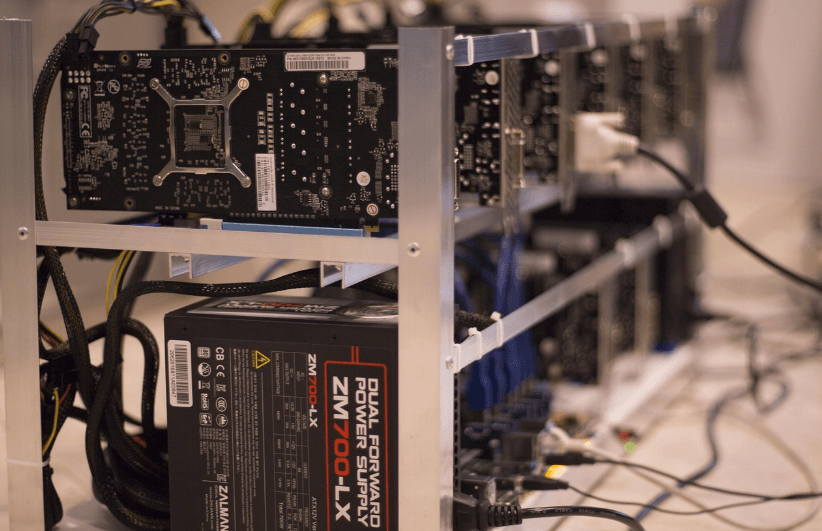
Upon entering the building, officers found 12 server units suspected of being used for Bitcoin mining activities.
All of the devices were secured as evidence and taken to the PLN office for further examination. After all documentation processes were completed, officers immediately disconnected the illegal electricity connection so that mining activities could not continue.
PLN also stated that a notification letter will be given to the shophouse owner, while an official report to law enforcement authorities is being prepared for further investigation.

Source: Pixabay
Read Also: How to Get Free Bitcoin Without Spending a Dime
Modus Operandi of Electricity Theft for Bitcoin Mining
Bitcoin mining uses specialized equipment or ASIC miners that operate 24 hours a day non-stop. The more devices operated, the greater the electricity consumption required.
In the Bekasi case, officers found installations that drew electricity without going through the official metering system. This modus operandi means electricity consumption is not recorded as customer usage, potentially causing losses for PLN.
In addition to the financial aspect, PLN emphasized that illegal electricity installations carry high risks because they are not equipped with safety systems according to standards. Such conditions can trigger short circuits and fires that endanger the surrounding environment.
Cases of electricity theft for crypto mining operations are not the first time they have occurred in Indonesia.
In recent years, authorities and PLN have uncovered several similar practices in various regions, indicating that the high energy demand of mining activities is often misused through illegal electricity connections.
Read Also: Free Bitcoin Mining in 2026: Is It Still Possible and Safe for Beginners?
Conclusion
The illegal Bitcoin mining case in Bekasi shows that cryptocurrency mining practices can turn into criminal acts when using stolen electricity.
In this disclosure, PLN found suspected use of around 33,000 VA of electricity, secured 12 Bitcoin servers, disconnected the illegal connection, and prepared legal proceedings against those responsible.
It should be noted that Bitcoin mining activities themselves are legal in many jurisdictions, including Indonesia, as long as they comply with applicable legal provisions. What constitutes a violation in this case is the suspected theft of electricity, not the blockchain technology or Bitcoin itself.

Bitcoin is now available and ready for trading on Bittime via the BTC/USDT pair; in addition, there are other assets on the Bitcoin BRC20 network, such as SATS and ORDI.
Bittime is a licensed and regulated Digital Financial Asset Merchant (PAKD) by the Financial Services Authority — the place where you can buy Bitcoin in Indonesia and hundreds of other crypto assets starting from Rp10,000. The registration process is fast, secure, and you can start today.
Monitor USDT to IDR conversion and real-time price movements of your favorite crypto assets. All available in one crypto investment app that can be downloaded for free on the Play Store.
Ready to start? Register now on Bittime and execute your investment strategy with a platform trusted by millions of users in Indonesia.
FAQ
What did PLN find at the Bitcoin mining site in Bekasi?
PLN found suspected illegal electricity usage of around 33,000 VA and secured 12 servers suspected of being used for Bitcoin mining.
How was this case uncovered?
The case started with a resident report during building rearrangement around the shophouse. The inspection then discovered electricity installations that did not go through the official kWh meter.
Why is electricity theft for Bitcoin mining dangerous?
Besides causing losses to the state, illegal installations increase the risk of short circuits and fires because they do not meet electrical safety standards.
Is Bitcoin mining activity illegal in Indonesia?
No. Mining activities are not automatically illegal, but the use of stolen electricity or other legal violations constitutes a criminal act.
What actions did PLN take after uncovering the case?
PLN disconnected the illegal electricity connection, seized mining equipment as evidence, and prepared a report to the police for further legal proceedings.
Disclaimer: The views expressed belong exclusively to the author and do not reflect the views of this platform. This platform and its affiliates disclaim any responsibility for the accuracy or suitability of the information provided. It is for informational purposes only and not intended as financial or investment advice.

.png)