What is a Return? Definition, Reasons, and Types
2024-08-01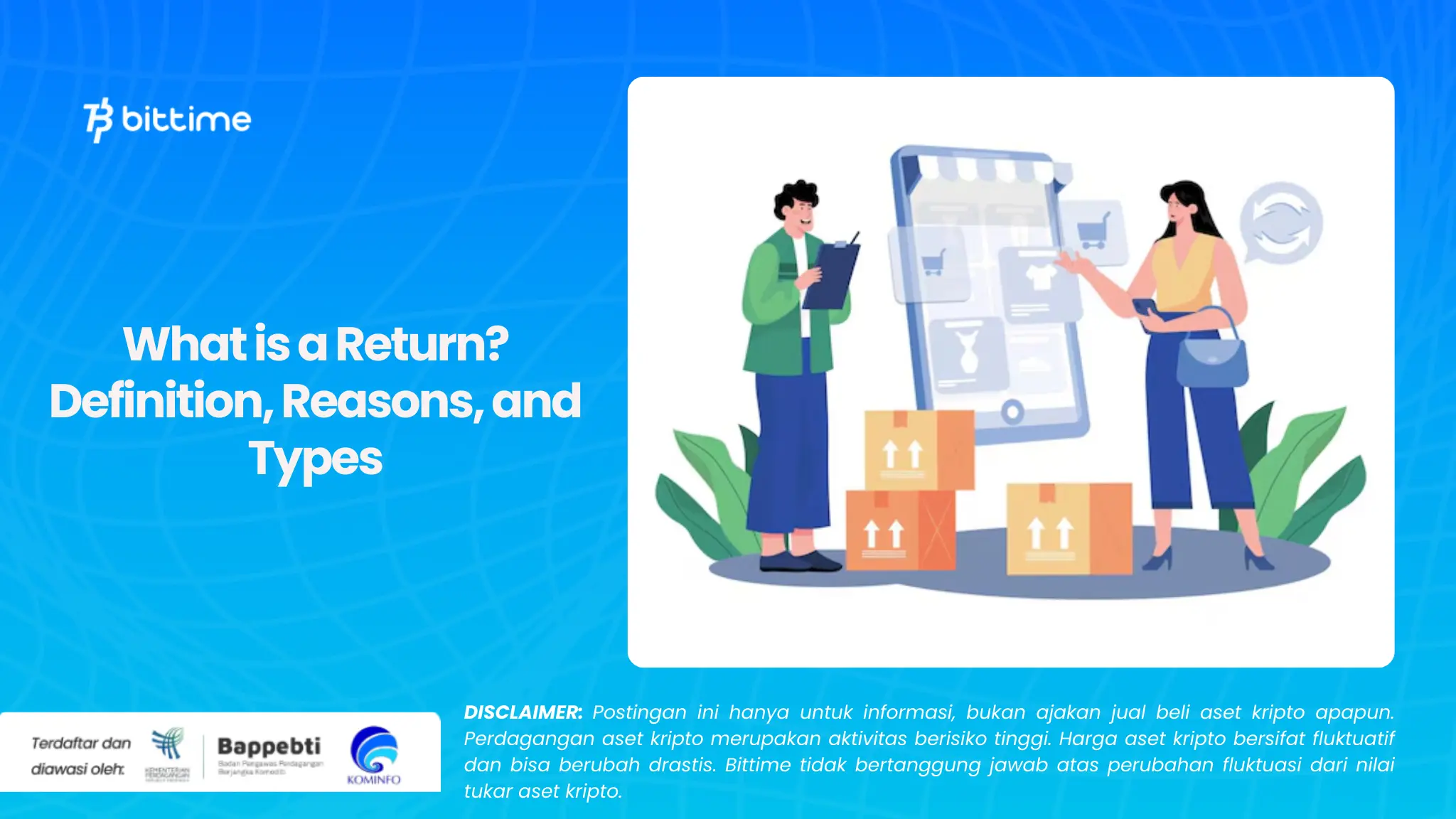
Bittime - Return is a term that refers to returning goods from the buyer to the seller. According to the Big Indonesian Dictionary (KBBI), return means sending back or returning goods that have been received. In an accounting context, returns refer to the process of returning merchandise that has been sold, which usually involves a refund or credit for a future purchase. In other words, returns are a way to resolve problems if the goods received do not meet expectations or there is an error in the transaction.

Reasons for Returns
Product Damage or Defect
One of the main reasons for returns is damage or defects in the product received. This damage can be caused by errors in the packing, shipping process, or because the item was defective from the start. Buyers who receive goods in a damaged or defective condition will usually return them to the seller for replacement or repair. Sellers are often willing to replace damaged goods to maintain their reputation and customer satisfaction, although these return policies can vary depending on the applicable terms and conditions.
Goods Selection Error
Errors in selecting items are also a common reason for returns. In online shopping, buyers sometimes make mistakes in choosing the size, color or type of product they want. These discrepancies often occur due to differences between the product image displayed on the website and the actual item. To overcome this problem, buyers can return the incorrect item and request the correct item.
Incorrect Number of Items
Returns can also occur if the buyer receives a greater number of goods than ordered. This usually occurs in online transactions where errors in packaging or recording can result in over-delivery of goods. In this case, the buyer can return the additional items to the seller so that the transaction can be adjusted to the actual quantity ordered.
Buyer Refused to Pay
In the Cash on Delivery (COD) payment system, sometimes buyers refuse to pay for the goods sent if the goods do not meet expectations or if they change their mind. In this situation, the courier who delivered the goods will carry out the return process and return the goods to the seller.

Types of Returns
Purchase return
Purchase returns are the return of goods from the buyer to the seller. In accounting records, purchase returns are usually recorded in the purchase returns account on the credit side and the accounts payable account on the debit side. This represents a reduction in obligations from the buyer to the seller. This recording helps companies manage liabilities and inventory effectively.
Sales Returns
Sales returns are the receipt of goods back from the buyer by the seller. Recording sales returns in the financial journal can vary depending on the payment method used. Usually, sales returns are categorized into several groups: as a reduction to accounts receivable if the purchase was made on credit, as a cash refund if the transaction was made in cash, or as a replacement for damaged goods if a claim is submitted.
The Importance of Recording and Managing Returns
Product Quality Improvement
Return recording helps companies identify problems with frequently returned products. This information is important for making improvements and improving product quality, which in turn can reduce return rates in the future.
Improved Service Quality
Data from returns can also be used to improve customer service. If returns occur more frequently in online transactions, companies can improve the way they market products, provide clearer descriptions, and improve delivery processes.

Tips for Managing Goods Returns
Clear Return Policy
Having a clear and easy to understand returns policy is important to ensure the return process runs smoothly. The seller must provide sufficient information regarding the terms and conditions of returns so that the buyer feels comfortable when making the transaction.
Avoid Additional Costs for Consumers
Sellers should not charge consumers additional fees when returning. Additional shipping costs imposed on consumers can reduce customer satisfaction and make them switch to another seller.
Fast Return Process
Returning goods or funds quickly is very important to maintain customer trust. The seller must provide certainty regarding the returns process and ensure that returns are made within a reasonable time.
How to Buy Crypto on Bittime

You can buy and sell crypto assets easily and safely via Bittime. Bittime is one of the best crypto applications in Indonesia which is officially registered with Bappebti.
To be able to buy crypto assets on Bittime, make sure you have registered and completed identity verification. Apart from that, also ensure you have sufficient balance by depositing some funds into your wallet. For your information, the minimum purchase of assets on Bittime is IDR 10,000. After that, you can purchase crypto assets in the application. Study Complete Guide How to Buy Crypto on Bittime.
Monitor graphic movement of Bitcoin (BTC) price, Ethereum (ETH), Solana (SOL), and other cryptos to find out today's crypto market trends in real-time on Bittime.
Disclaimer: The views expressed belong exclusively to the author and do not reflect the views of this platform. This platform and its affiliates disclaim any responsibility for the accuracy or suitability of the information provided. It is for informational purposes only and not intended as financial or investment advice.
.png)