What is Peer-to-Peer (P2P) in Crypto? How it Works, Costs, and Risks
2026-02-25
Peer-to-peer (P2P) is one of the most popular methods for buying and selling cryptocurrencies directly between users without an intermediary as a seller.
In the crypto world, this system allows someone to buy assets such as USDT, Bitcoin, or Ethereum directly from another person, while the exchange platform only acts as a guarantor of the security of the transaction, not the party selling the assets.
P2P methods are increasingly used because they provide greater flexibility, especially in countries with limited banking access or expensive gateway fees.
Additionally, many traders utilize P2P to save costs, withdraw funds, and even profit from price differences. Read this article to learn more!
Key Takeaways
- Peer-to-peer (P2P) is a direct transaction system between users without an exchange as a seller, with escrow as a safeguard.
- P2P is often used to buy, sell, or withdraw crypto with lower fees and greater flexibility.
- While profitable, P2P carries risks such as fraud, transfer errors, and potential bank account restrictions.
What is Peer-to-Peer (P2P)?
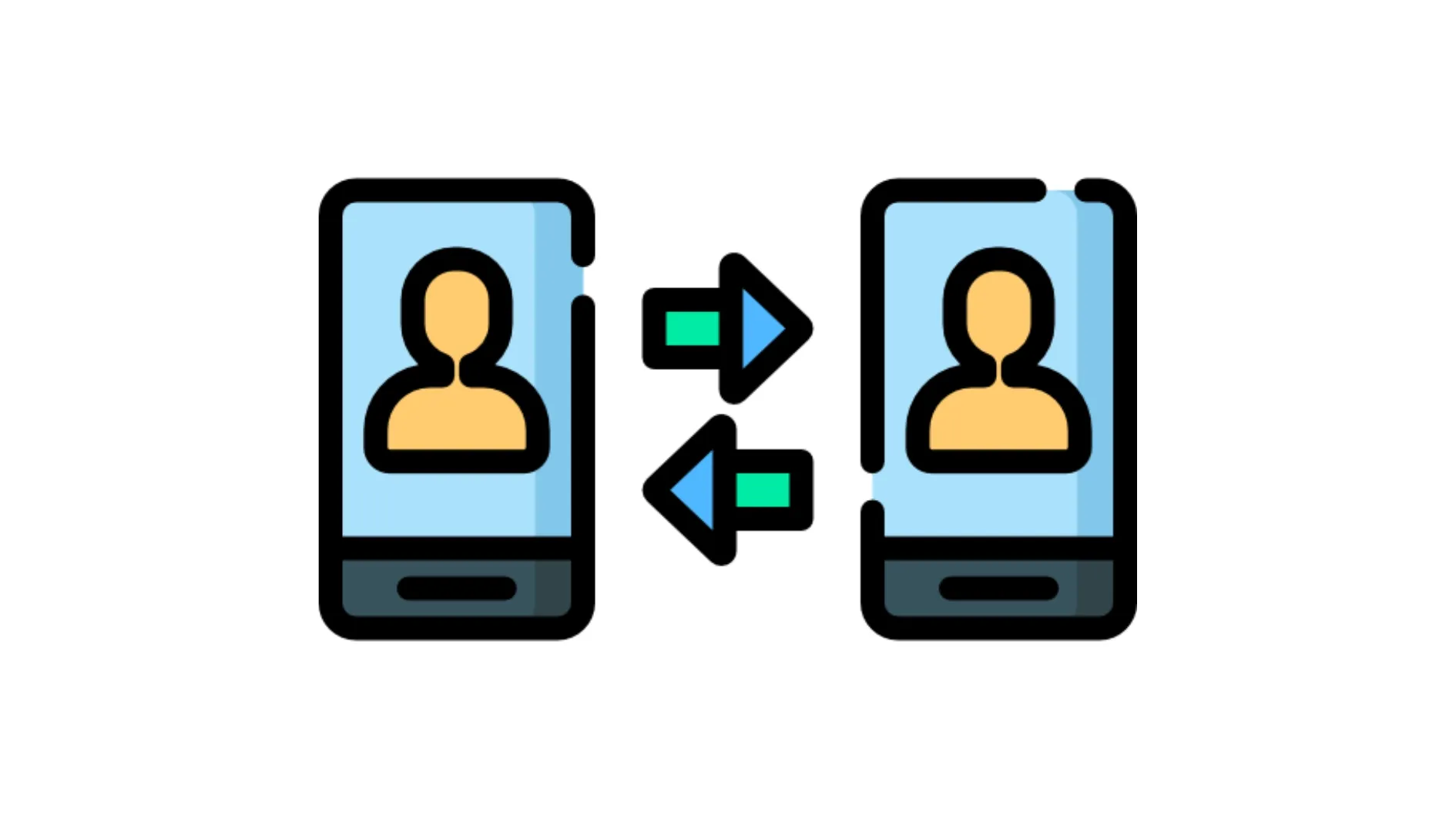
Image Source: Flaticon
In simple terms, peer-to-peer (P2P) is a direct transaction between two individuals without a primary intermediary.
In the context of cryptocurrency, P2P allows buyers and sellers to meet through an exchange platform, then make transactions with each other.
Exchange only provides:
- Platform to find sellers or buyers.
- Escrow system to secure crypto.
- Dispute resolution mechanism.
However, fiat currencies like rupiah or dollars are sent directly between users via bank transfers, e-wallets, or other digital transfers. This means that exchanges don't sell crypto, but merely act as security intermediaries.
Read Also: What is Seeker (SKR)? Solana Mobile Token
Differences Between Buying Crypto Through P2P and Exchange
There are two main ways to buy crypto:
Via Fiat Gateway
This is a feature like “Buy Crypto” on exchange.
Its features:
- Exchange or partner becomes a seller.
- Fast and automatic process.
- Fees are usually included in the price.
Through P2P
Its features:
- The seller is another user.
- Prices are determined by the individual.
- Money transfers are made directly.
Key comparisons:
1. Counterparty: gateway = company, P2P = individual
2. Cost: gateways are usually more expensive, P2P is more flexible
3. Speed: both are fast, depending on the seller's response
4. Risks: gateway is more technical, P2P involves human factors
For small amounts, the difference may not be noticeable. However, for large transactions, a small price difference can result in significant savings or profits.
Read Also: What is Meteora (MET)? Technology, Functions, Tokenomics, and Price
How Peer-to-Peer (P2P) Works
One of the important elements in P2P is escrow, which is a system of temporarily locking crypto until payment is completed.
Here are the steps:
1. Seller Makes an Offer: The seller determines the amount of crypto, price, and payment method.
2. Buyer Selects Offer: Buyers choose offers according to their needs.
3. Crypto Locked in Escrow: The exchange will lock the seller's crypto so that it cannot be used during the transaction.
4. Buyer Sends Money: The buyer sends money directly to the seller's account.
5. Crypto Released: Once payment is confirmed, crypto is released to the buyer's account.
This process usually takes about 2 to 15 minutes, depending on the transfer speed and seller response.

Benefits of Using P2P
P2P is not just an alternative, but has become the primary method for many crypto users.
Some of the main reasons:
1. Avoid Expensive Costs: Gateway fees are often higher because they include additional fees.
2. Easier Access: Some banks do not support direct transactions to exchanges, so P2P is the solution.
3. Supports Local Currency: P2P allows transactions using local currency.
4. More Flexible Fund Withdrawals: Many people use P2P to withdraw crypto into cash.
5. Large Amount Transactions: Large traders often choose P2P because the price difference can save a lot of costs.
Read Also: What is Conway Research (CONWAY)? A Web 4.0 Trend Predictor
Peer-to-Peer (P2P) Costs
Technically, exchanges often don't charge direct fees on P2P transactions. Instead, their profits come from the spread, which is the difference between the buy and sell prices.
Example:
USDT market price = Rp. 15,000
Seller offers = Rp. 15,150
Difference = Rp150 per USDT
If you sell 10,000 USDT, the gross profit can reach IDR 1,500,000.
This is the basis of the P2P arbitrage business.
Read Also: What is the USAT Stablecoin? Features, Tokenomics, Price, and How to Buy USAT
How to Make Money from P2P
Many people use P2P not only for transactions, but also as a source of income.
1. Price Arbitrage: Buy crypto when the price is low and sell when the price is higher.
2. Become a P2P Merchant: Merchants provide liquidity and earn profit from the spread.
3. Taking Advantage of Differences in Demand: Prices may vary depending on time and market conditions.
4. High Trading Volume: The larger the volume, the greater the potential profit. However, this requires substantial capital, a stable bank account, and risk management.
Read Also: What is Bitway (BTW)? Key Features and Token Utilities
Risks of Using P2P
Although safe, P2P still has risks.
1. Risk of Transfer Error: If you send the wrong money, the return process can be difficult.
2. Unresponsive Seller: Transactions may be delayed if the seller is offline.
3. Off-Platform Fraud: If transactions are made outside of escrow, the risk of losing funds is very high.
4. Bank Account Blocking: Frequent crypto transactions can trigger bank restrictions.
5. Price Volatility: Crypto prices may change during the transaction.
Therefore, always use official platforms and escrow.
Read Also: What is Aztec Network (AZTEC)? Ethereum's Privacy-Focused Layer 2
Safe Tips for Using P2P
Some important tips:
- Choose sellers with high ratings.
- Use escrow exchange.
- Do not send money outside the platform.
- Check payment details carefully.
- Choose a seller who is online.
These simple steps can reduce the risk significantly.
Read Also: What is CLAWNCH? A Narrative-Driven Meme Token in the Base Ecosystem
Conclusion
Peer-to-peer (P2P) is a system of direct crypto transactions between users, with the exchange acting as a security guarantor through escrow. This method offers greater flexibility, lower costs, and easier access than traditional gateways.
In addition to buying and selling crypto, P2P can also be a business opportunity through price arbitrage.
However, users must understand how it works and the risks involved, such as transfer errors or bank account restrictions. When used correctly and carefully, P2P is one of the most effective methods for entering and exiting the crypto market.
FAQ
What is peer-to-peer (P2P) in crypto?
P2P is a method of buying and selling cryptocurrency directly between users without an exchange as the seller, with escrow as a safeguard.
Is P2P safe to use?
Yes, as long as you use the official platform and do not make transactions outside of escrow.
What are the advantages of using P2P?
Lower fees, flexible, supports local currencies, and can be used to withdraw funds.
Is it possible to make money from P2P?
Yes, usually through price arbitrage or by becoming a merchant who profits from the price difference.
How long does a P2P transaction usually take to complete?
Usually between 2 to 15 minutes, depending on the transfer speed and seller confirmation.
Disclaimer: The views expressed belong exclusively to the author and do not reflect the views of this platform. This platform and its affiliates disclaim any responsibility for the accuracy or suitability of the information provided. It is for informational purposes only and not intended as financial or investment advice.

.png)