What Is a Cyber Pandemic in Crypto? The Risk of Cyberattacks
2026-11-11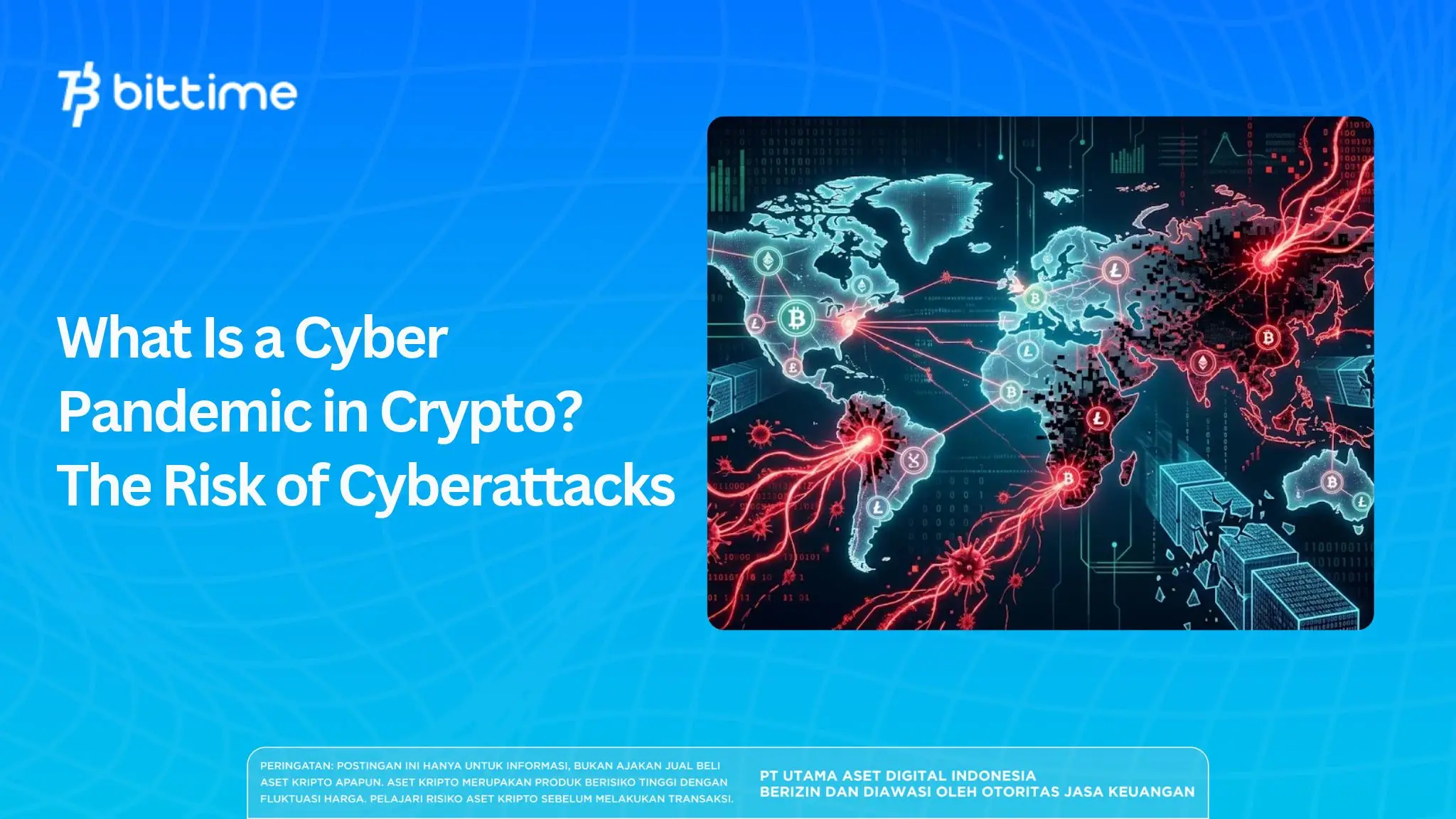
The cyber pandemic in crypto describes a wave of widespread digital attacks that have had a cascading impact on crypto asset services.
Targets can include exchanges, decentralized finance or DeFi protocols, wallets, and infrastructure providers.
The issue is not just that one platform was hacked, but rather how interconnected vulnerabilities amplify the reach of the intrusion.
Understanding what a cyber pandemic is helps users distinguish real threats from panic narratives.
This term does not in itself mean the whole blockchain will be paralyzed or all users' balances will be lost simultaneously.
The focus is on the scale of the attack, dependencies between services, and the ability to limit the damage.
Key Takeaways
A cyber pandemic is a description of a widespread cyber threat, not the name of a single piece of malware or the certainty of an attack on a specific date.
Risks can come from employee accounts, vendor devices, and support services, in addition to vulnerabilities in blockchain applications.
Protection requires securing access, checking transactions, and being prepared to respond to incidents.
What Is a Cyber Pandemic in the Crypto Ecosystem?
Cyber pandemic is a term used to describe widespread and repeated digital attack activity.
This concept relates to the scale and accumulation of disruption, so it does not have to be a single coordinated operation.
Potential chain effects through interconnected systems.
In the context of the crypto cyber pandemic, this connectivity includes exchanges, wallets, cloud providers, applications, and transaction services.
A disruption to a shared component can affect multiple services at once.
The difference with a single hack lies in the scope of the impact.
A single stolen account constitutes an individual incident.
When similar methods or access are used against multiple victims, the problem develops into a broader threat.
Read Also:Bitget Allegedly Hacked, Affecting US$388 Million in Assets, North Korea in the Spotlight
Why Can an Attack Impact Multiple Services?
The security of digital assets depends on more components than blockchain code.
Users access it through devices, websites, apps, and authentication systems.
Operators also depend on employees and technology suppliers.
A concrete example is seen in Chainalysis' analysis of the Binance asset theft on October 29, 2026.
The company estimates unauthorized transfers at around US$6.4 billion.
The analysis noted the use of valid signed authorization to run the attacker's code on the hot wallet.
This case shows why the transactions accepted by the system do not necessarily reflect the wishes of the fund owner.
Attackers can abuse operational or authorization paths without having to bring down the entire blockchain network.
Elliptic provides an estimate of US$6.43 billion for the same incident.
The differences in figures need to be read as the result of measurements and investigation updates, not summed up as separate losses.
Read Also:Alleged Binance Hack: US$5.7 Billion in Crypto Assets Moves into the Spotlight
Types of Crypto Security Threats That Need to be Distinguished
Crypto cyberattacks have different mechanisms. Differentiating between them helps users understand whether the issue lies with account access, transaction permissions, applications, or service availability.
Darktrace identifies private key theft, phishing, social engineering, and internal threats as part of cryptocurrency risks.
This means that crypto cybersecurity also concerns user behavior and organizational access control.
Access disruption needs to be distinguished from theft. A website being inaccessible does not prove assets are missing.
The assessment requires information about transactions, affected systems, and investigation results.
Read Also:Binance Hack Chronology: Lazarus Group and the Largest Crypto Heist in History
Is AI the Cause of the Cyber Pandemic?
AI may be part of the discussion about attack automation, but its involvement needs to be proven on a case-by-case basis.
Transaction speed or the magnitude of losses alone do not indicate that AI is the primary cause.
To assess the claim, examine the technical findings regarding initial access, compromised credentials, and attacker actions.
Attributing all cryptocurrency cyberattacks to AI can actually distract from already identified vulnerabilities.
Likewise with the news of a global attack on a certain date.
Such claims require official warnings and verifiable evidence. The term "cyber pandemic" itself does not specify a timeline for occurrence.
Read Also:Crypto Markets Experience Most Hacked Month in April 2026
How to Reduce the Risk of Crypto Cyber Attacks
Start from account access.
Use unique passwords, enable multi-factor authentication when available, and check login notifications.
Open services through verified addresses, especially when urgent messages request fund transfers.
For personal wallets, protect the seed phrase and private key.
Hardware wallets help reduce key exposure to internet-connected devices, but users still need to verify approved transactions.
Self-storage also requires maintained recovery backups.
If any indication of compromise appears, stop the suspicious interaction and contact official support through verified channels.
Note the wallet address, transaction hash, and time of the incident to aid in tracing. Recovery success cannot be assumed until the results of the handling process are available.
To access crypto services, register via Bittime official website and check account security settings before making a transaction.

Bittime is a licensed and regulated Digital Financial Asset Trader (PAKD) supervised by Indonesia’s Financial Services Authority (OJK) — where you can buy Bitcoin in Indonesia and hundreds of other crypto assets starting from just Rp10,000. The registration process is fast, secure, and you can get started today.
Track USDT to IDR conversions and monitor your favorite crypto assets in real time. Everything is available in one crypto investment app that you can download for free on the Play Store
Ready to start? Register now on Bittime and execute your investment strategy with a platform trusted by millions of users in Indonesia.
FAQ
What is a cyber pandemic in crypto?
A wave of digital threats is spreading and could cause chain disruptions to crypto asset services.
Does the cyber pandemic mean all blockchains are hacked?
No. Compromise can occur on accounts, devices, applications, or supporting infrastructure without bringing down the entire blockchain.
Are funds definitely lost when the exchange is inaccessible?
No. Service disruptions and asset theft are different, so transaction audits and official announcements are required.
Are cold wallets completely risk-free?
No. Security still depends on protecting the seed phrase, the device, and due diligence when approving transactions.
How to check crypto cyber attack news?
Compare operator announcements, technical analysis, and transaction evidence. Avoid jumping to conclusions based solely on viral posts.
Disclaimer: The views expressed belong exclusively to the author and do not reflect the views of this platform. This platform and its affiliates disclaim any responsibility for the accuracy or suitability of the information provided. It is for informational purposes only and not intended as financial or investment advice.

.png)